French Polynesia
Bora Bora
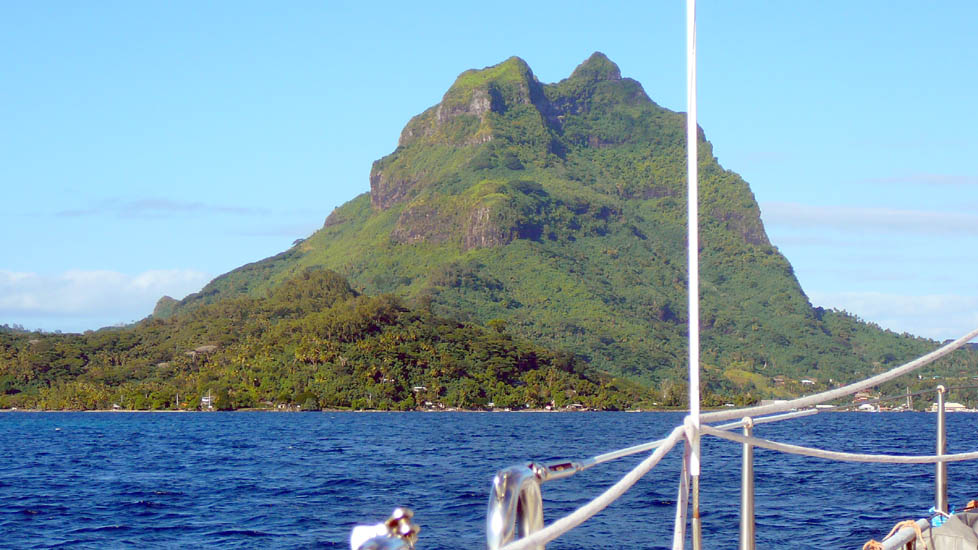
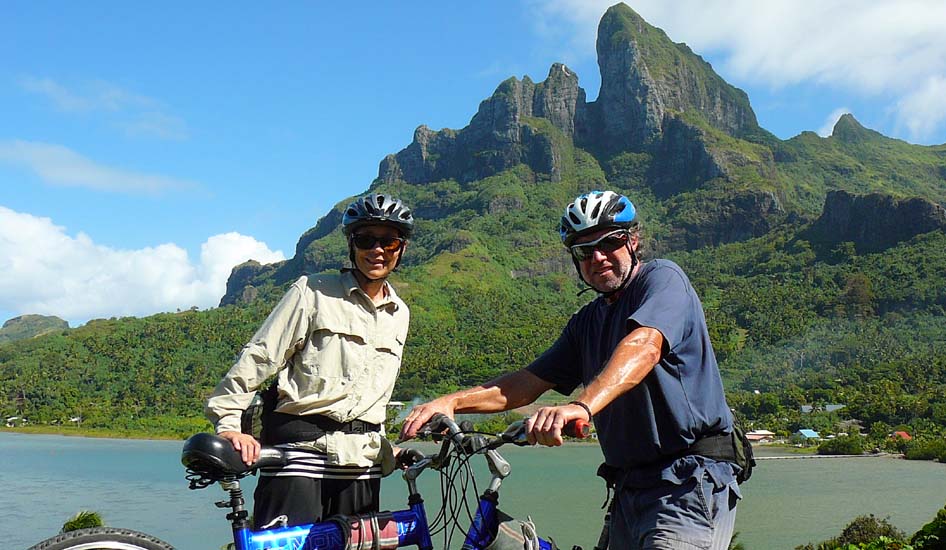
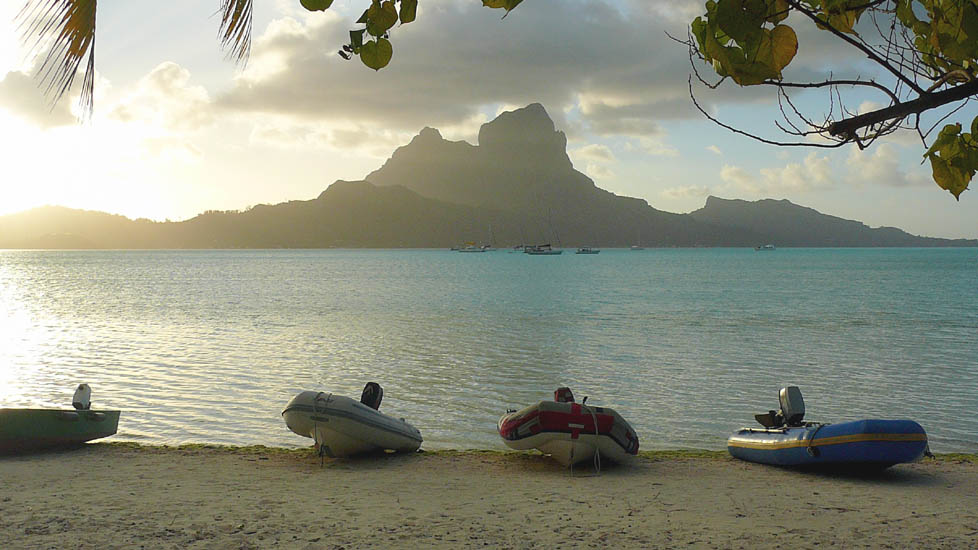
An extinct volcano in the middle of one of the world's most beautiful lagoons, that is Bora Bora, the "Pearl of the Pacific", the quintessential dream island.
After Tahiti, Bora Bora is the most tourist-developed island in the South Pacific. There are numerous hotels here, predominantly in the upscale and highest price categories. The price level is exorbitant. Bora Bora is one of the most expensive travel destinations in the world, with overnight prices well into the high hundreds of Swiss francs.
Several of the luxury hotels are located on the motus of the barrier reef and offer so-called overwater bungalows. These are built on stilts extending into the lagoon. Through a glass floor panel, you can watch the countless colorful coral fish during breakfast, which is delivered by outrigger canoes.
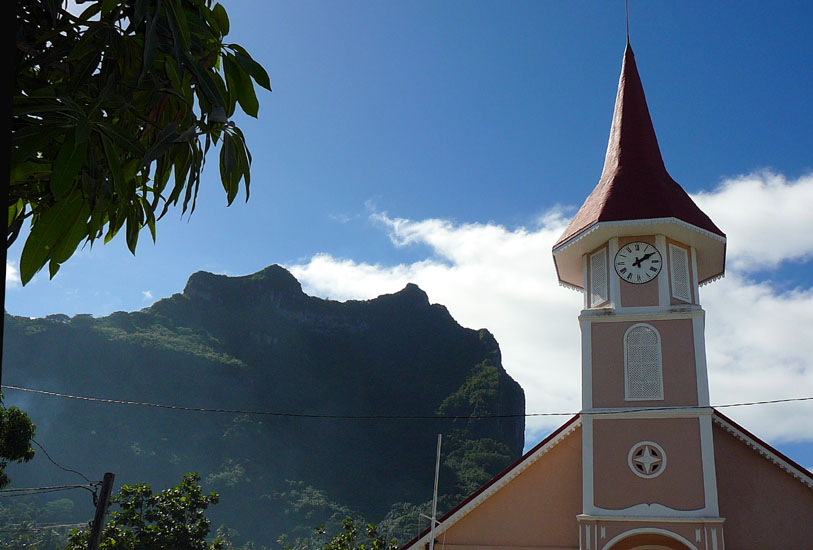
Bora Bora is now also frequently visited by cruise ships. The otherwise very tranquil life in the capital of Vaitape is then, for a few hours, literally flooded by the arriving crowd of people. Fortunately, these giant ships move on quickly, and so peace returns after a few hours of hectic hustle and bustle.
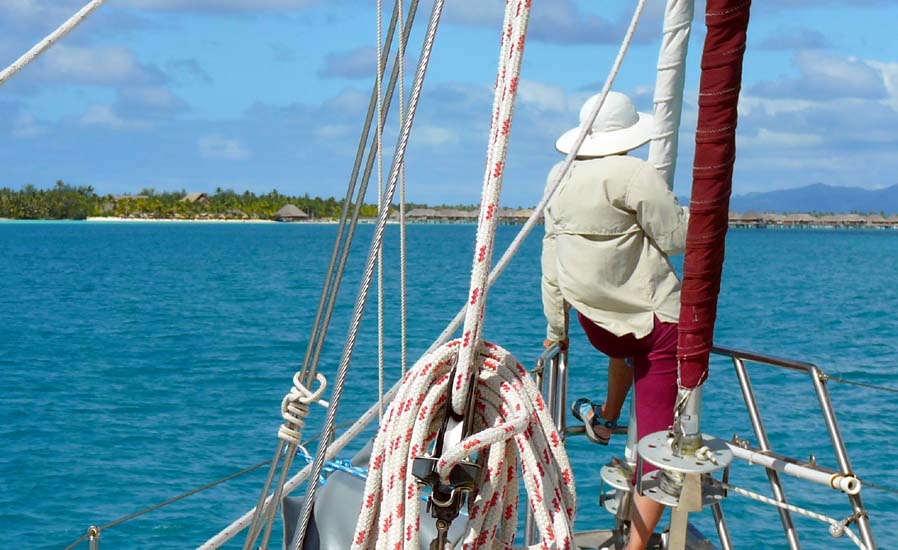
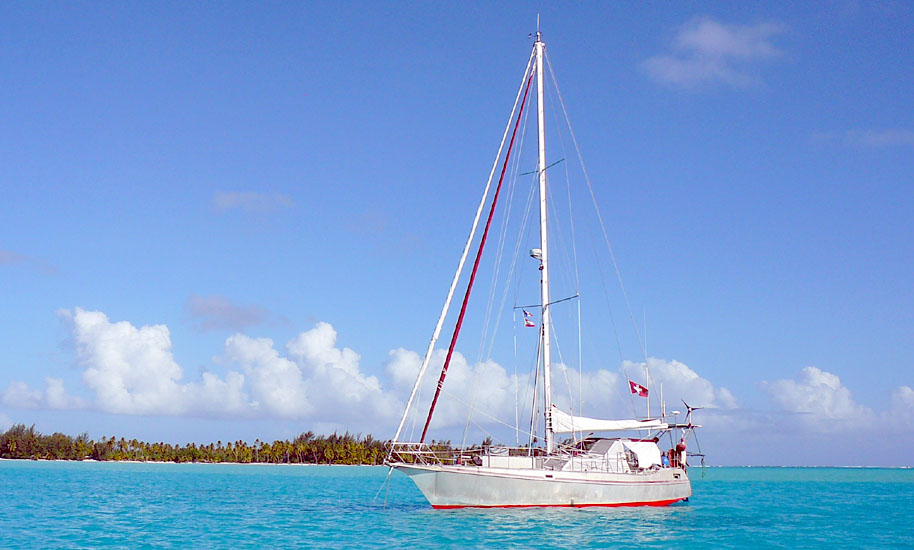
After stocking up on groceries at the supermarket again, we moved to the east side of the island.
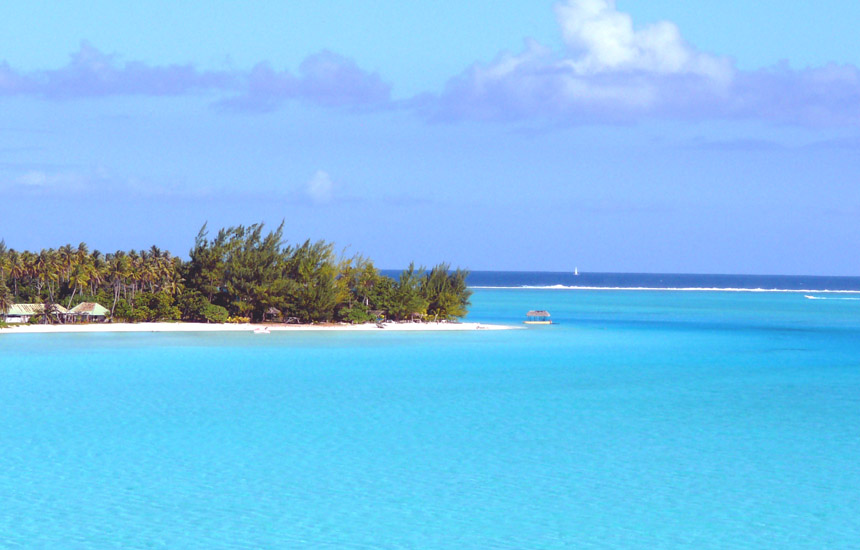
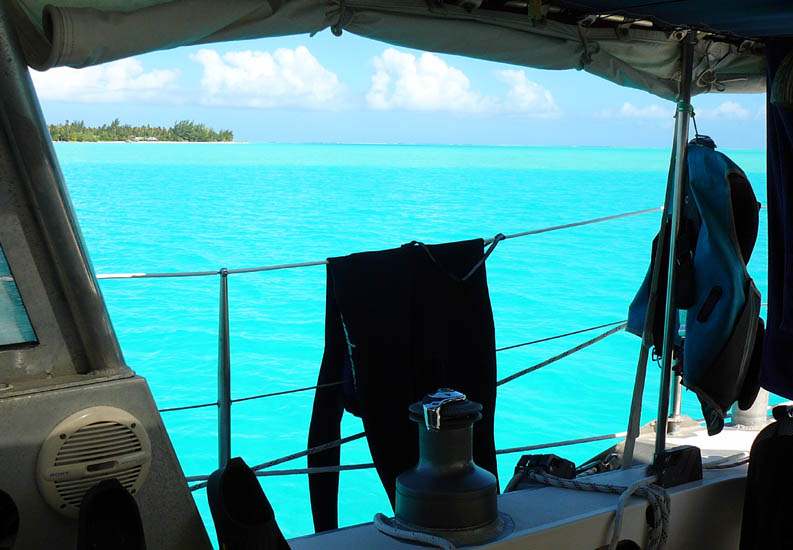
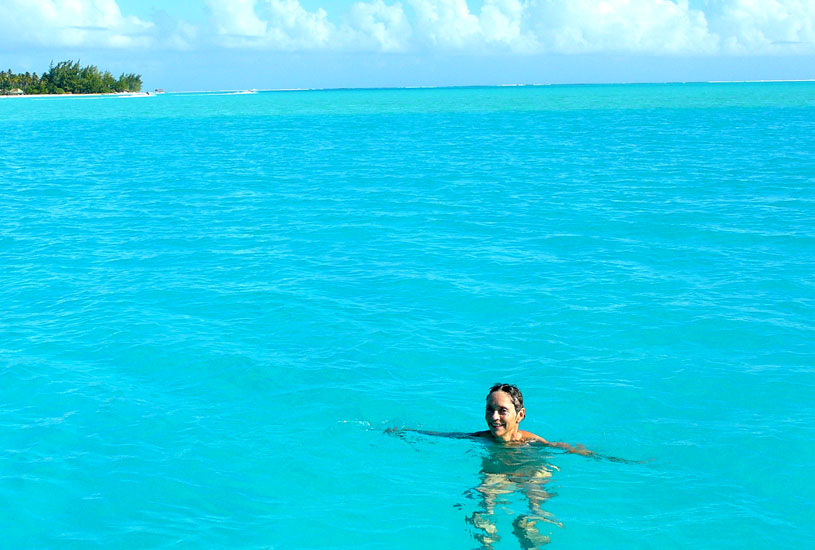
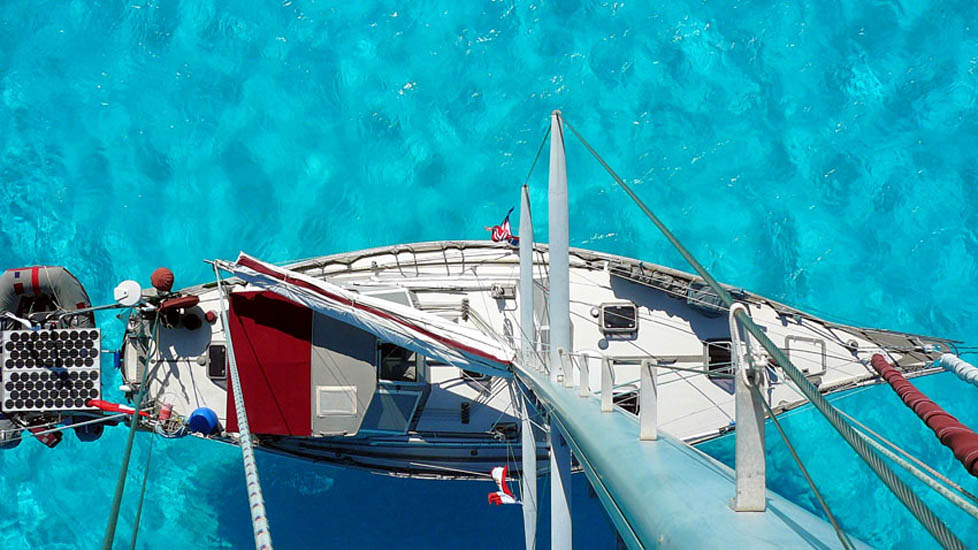
We wanted to visit the legendary Blue Lagoon. The path there led over a reef and was a bit tricky. Whether that was the reason why there were very few yachts on this side of the island, I do not know. In any case, there were several days when we were completely alone.
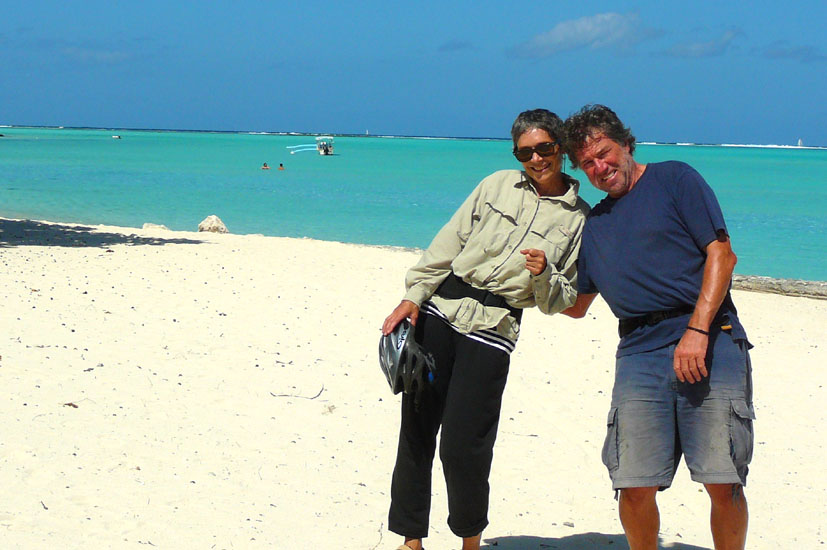
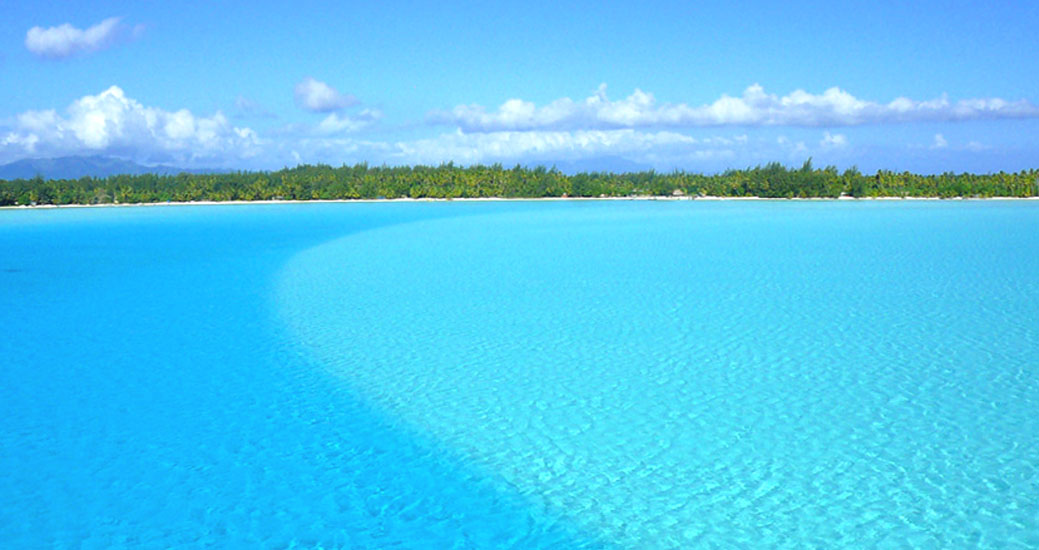
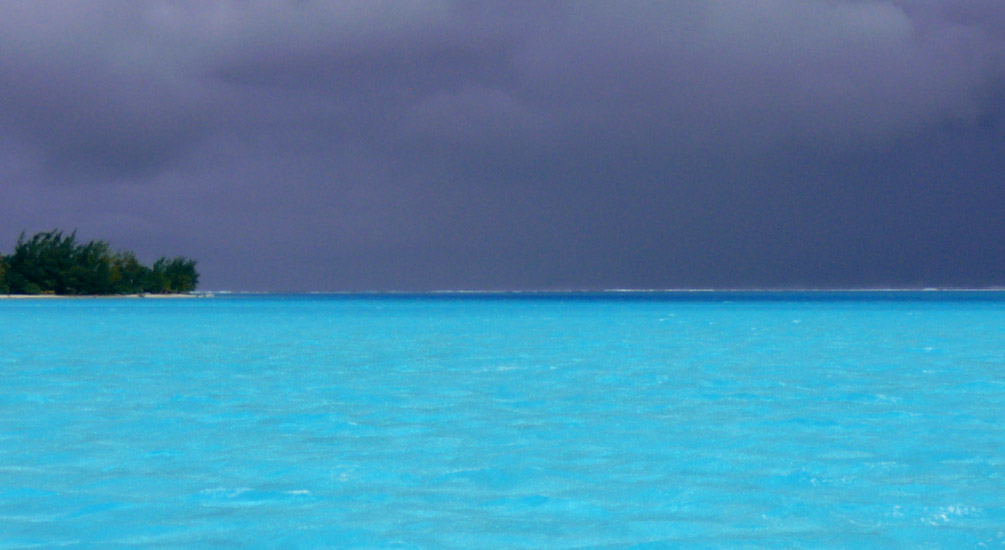
The water here was indescribably clear and showed itself in the most diverse shades of blue and turquoise. Fortunately, there are cameras today, because describing these colors would be almost impossible.
Most of the time the weather here was great, but it also presented us with its rainy and stormy side. Turquoise water against a blue-black sky... a truly insane combination.
Snorkeling here would actually be perfect too, if only it had the variety of exotic fish found in the Tuamotus. Besides the fantastic colors of the water, something else here is a unique experience... swimming with the large mantas. These giants come into the bay to find their food in a very specific corner. Since they are absolute vegetarians, even we could fully enjoy swimming with them and admire them from the very closest range.
A Little Visa Story
On 6 July, our 3-month French Polynesian visa was actually supposed to expire. At the end of June, a week beforehand, we received an email from a Swiss boat stating that French Polynesia would finally fully accept the EU agreements, which Switzerland had already concluded long before.
At first we didn't believe it and inquired with the official authority. The reply came promptly... "Yes indeed, the Swiss are now on an equal footing with EU citizens... and you are now free as birds... you can move around French Polynesia without restrictions and stay here indefinitely.".
Finally... super... perfect... but for us personally, unfortunately, a few weeks too late. Why on earth does this decision only come now, when we and many other sailors are already so far to the west of French Polynesia. Going back to the Tuamotus again is very difficult now. So this actually very good news brings us practically nothing anymore.
If only we had received this message 1 to 2 months earlier, the "time-stressful" journey through French Polynesia would have gone much more leisurely... and the recession-plagued region would have taken in quite a bit of money from us sailors after all.
The Heiva Festival and French National Day
Dancing is in the blood of the inhabitants of French Polynesia. That is why, for 130 years, they have celebrated their most important cultural festival every summer, the "Heiva", to cultivate old traditions, preserve Polynesian customs, and pass them on to posterity. For us vacationers, these festivities are the best opportunity to gain an extraordinary insight into the traditions of the island world.
During the multi-week event, not only music and dance competitions took place, where the best dancers of the island perform, but also competitions in traditional Polynesian sports such as stone lifting, coconut throwing, fruit carrying, and the legendary outrigger canoe races. These races are also broadcast directly on TV and are a central component of Polynesian culture. The narrow and fast "Va'a", translated as outrigger canoes, have a long tradition and were used centuries ago to discover and settle the islands of the South Seas.
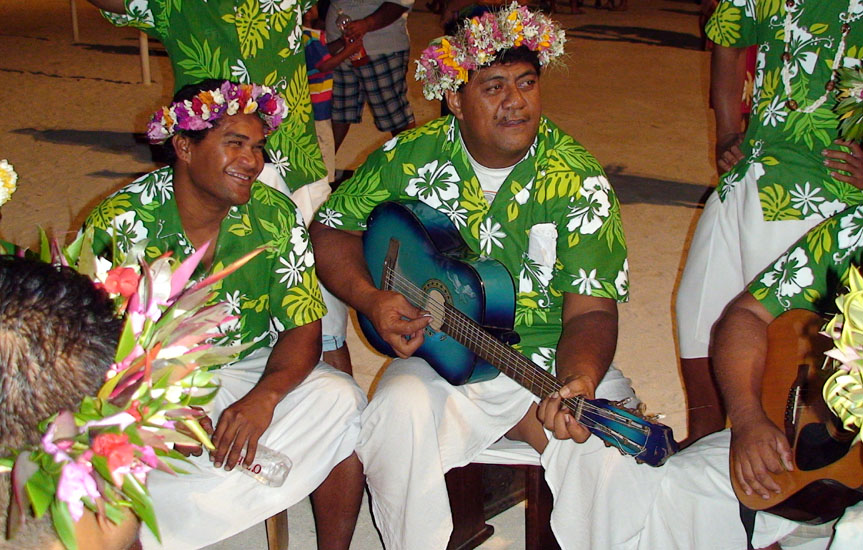
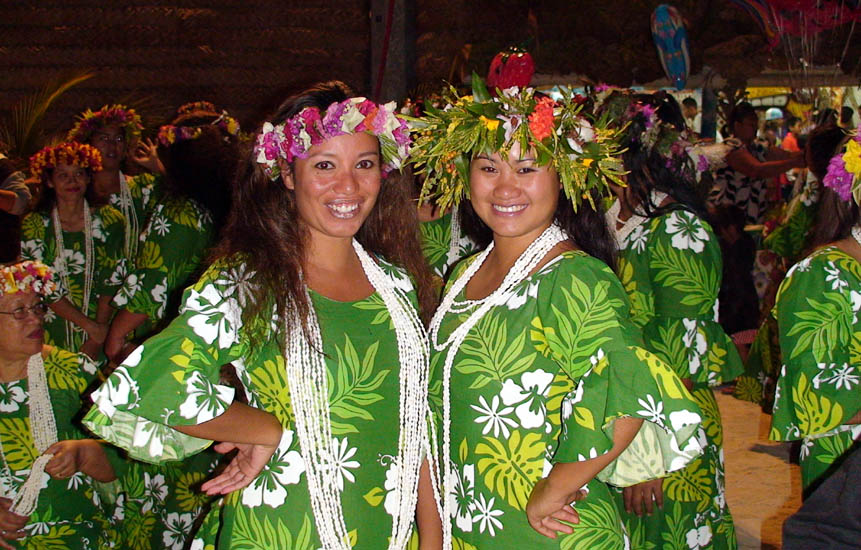
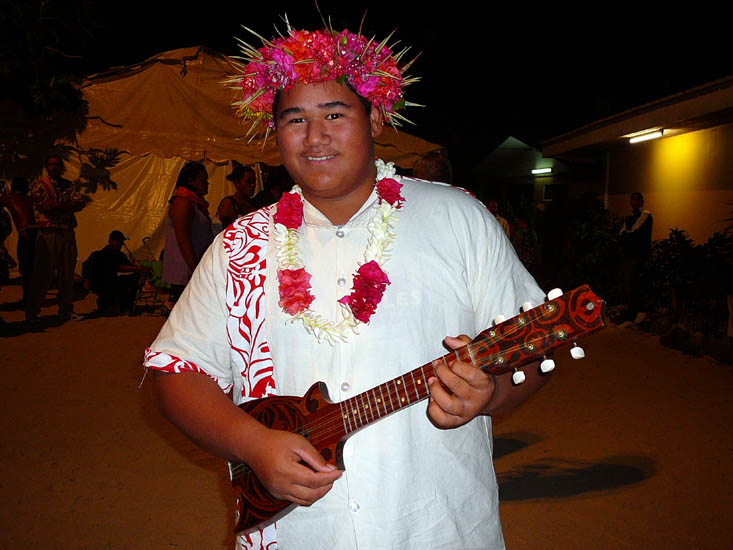
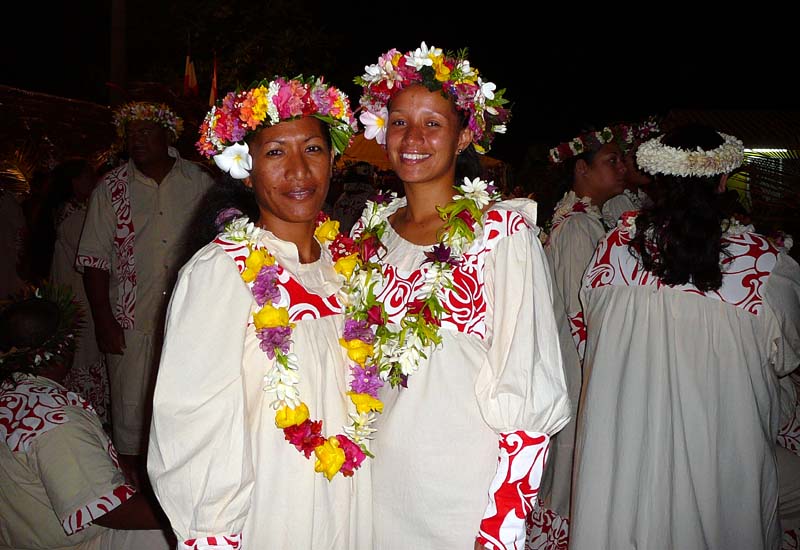
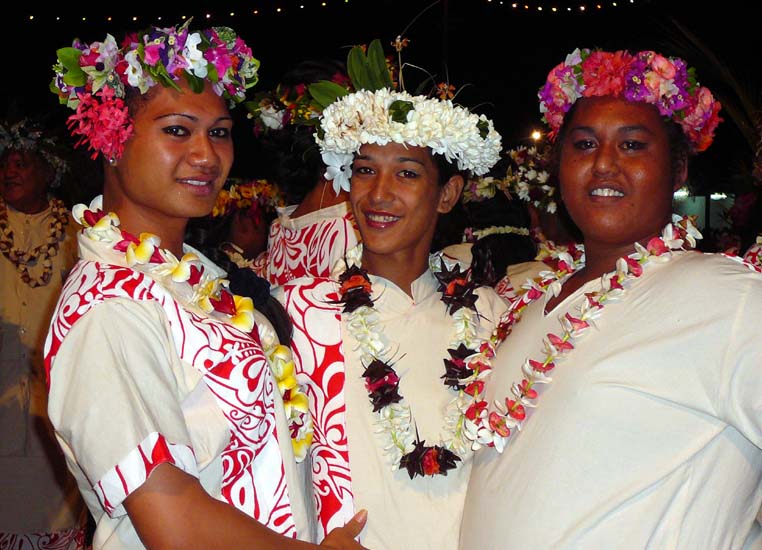
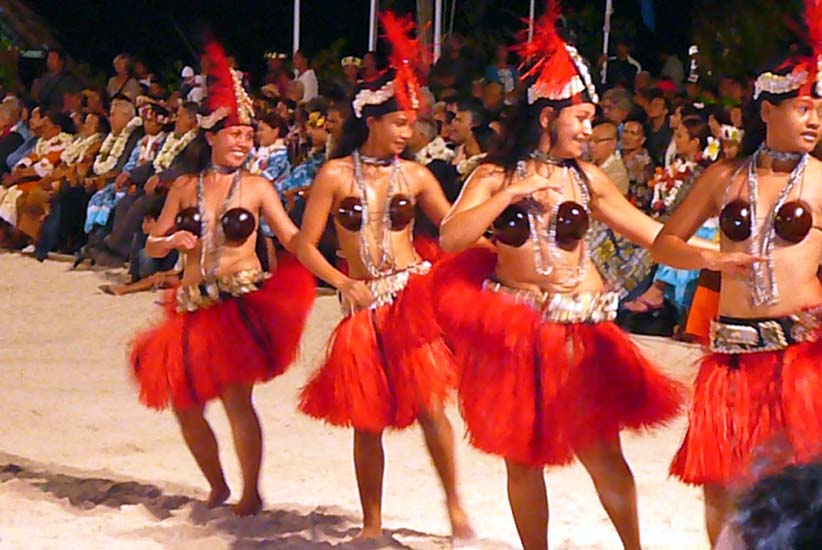
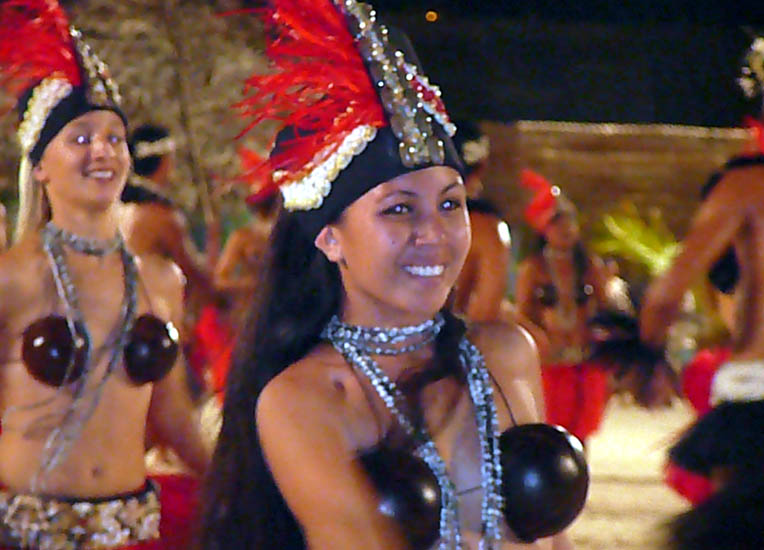
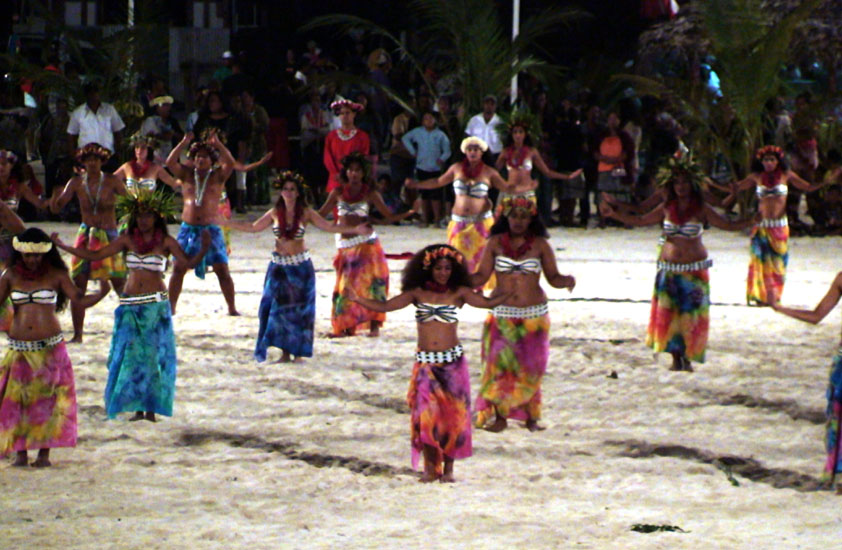
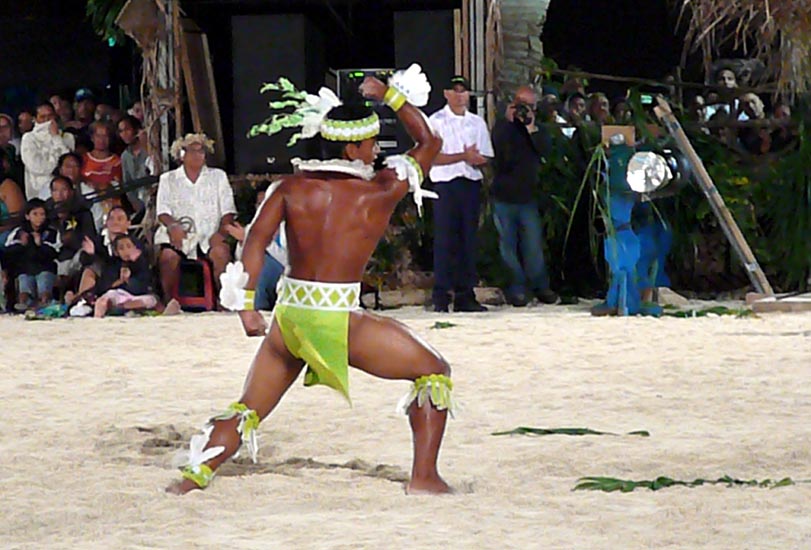
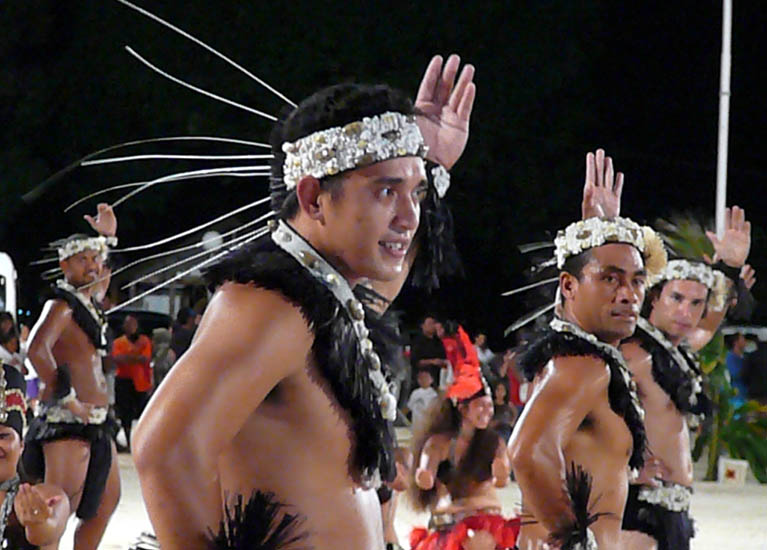
Thanks to the recognition of the existing EU agreements, we were now able to attend this festival completely legally. Evening after evening, we made our pilgrimage to the Heiva festival grounds and let ourselves be carried away by the enthusiasm of the locals. What the performers put on stage was truly top-notch. Even though we didn't always fully understand the subtleties of the traditional movements, it was still impressive to see up to 140 people moving in time. The choreographies of the various groups were at a high, professional level. And when the semi-nude young girls started their legendary hip-swings, the crowd screamed and the men felt a warmth in their hearts, or perhaps some lower down as well.
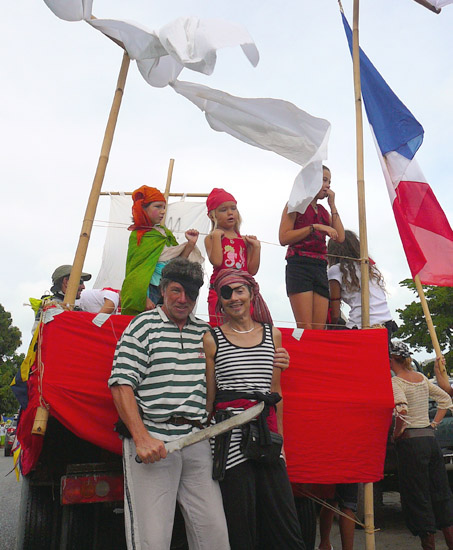
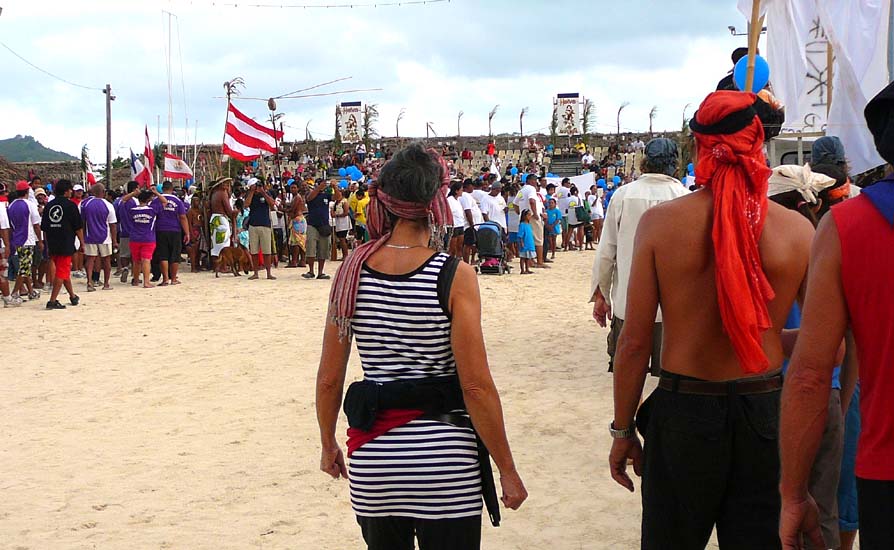
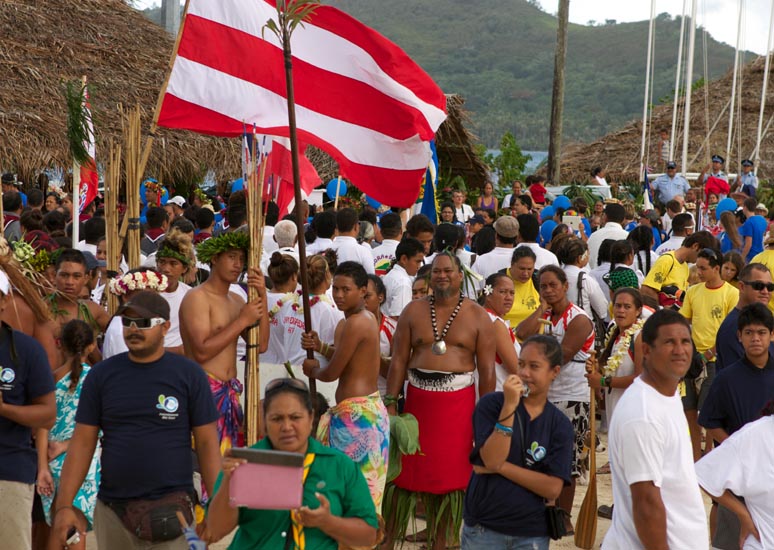
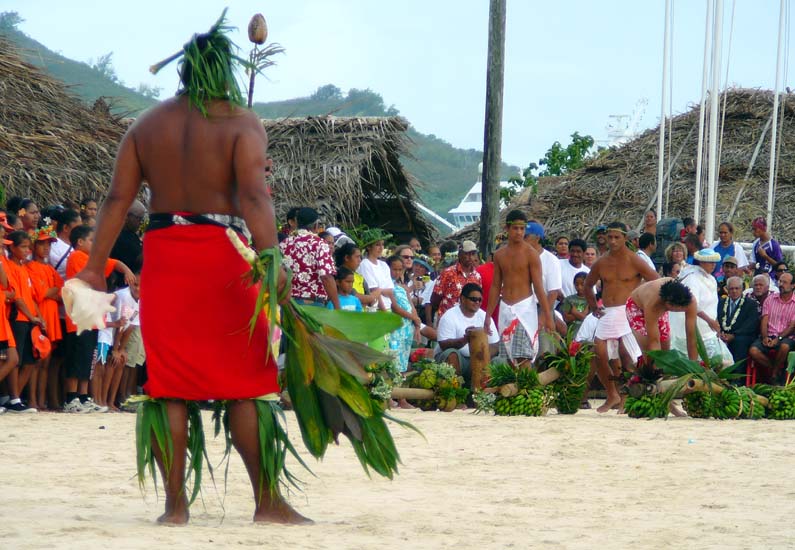
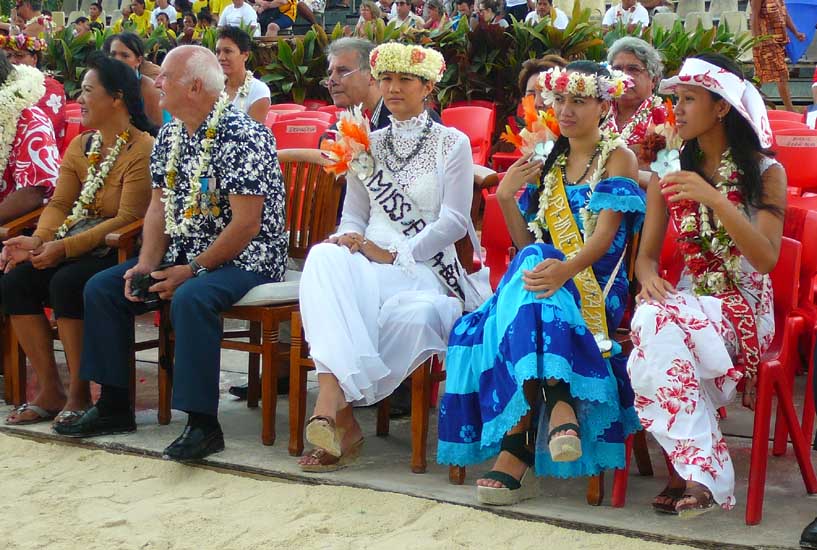
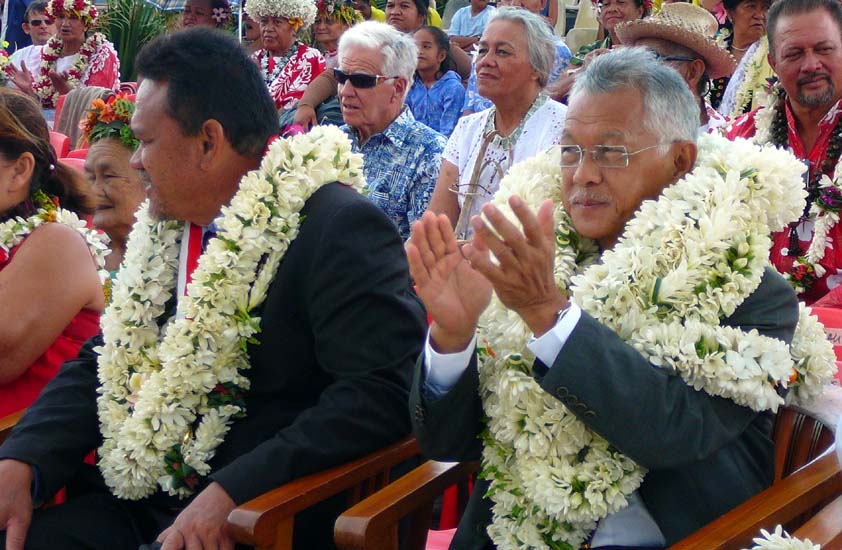
We were curious to see how the Polynesians would celebrate July 14. Rather sober and cool, or is there also something like French national pride. My impression was more like, We celebrate this day. Firstly, it is a day off work and secondly, practically all the money comes from the Grande Nation anyway.
We sailors were integrated into the mandatory festive parade by the Maikai Marina, where many have their boats on a mooring. Our motto was naturally pirates. So a squad of heavily armed buccaneers was out and about, to the delight of the spectators and of course ourselves.
Everything has an end, and so does our stay in French Polynesia. In summary, I would describe this huge region as follows. The Marquesas are imposing volcanic islands where we had contact with wonderful people and tourism is still limited. The atolls of the Tuamotus are very flat palm islands with motus, mostly a large lagoon, and very little tourism. A paradise for divers and snorkelers. The Society Islands are a good mix of both. Many great volcanic islands surrounded by dreamy lagoons with motus and dreamy white sand beaches. Here, fortunately not everywhere yet, tourism is already wreaking its full havoc.
For me, French Polynesia was not quite paradise and it is not my dream sailing area either, but it is truly beautiful here, with open and friendly people.
You don't have to circumnavigate the entire world, but you should cross the Pacific at least once in your life, especially as a sailor.