Brazil
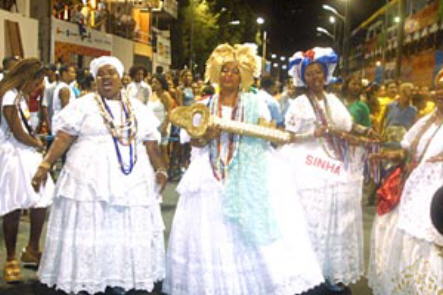
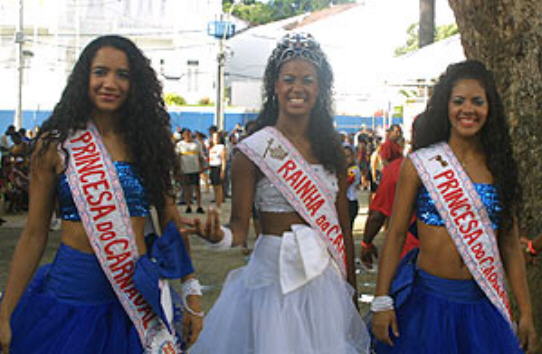
Carnival in Salvador da Bahia
I had been looking forward to this special occasion for a long time. Will my high expectations be met, though?
To put it right up front, they were far surpassed!
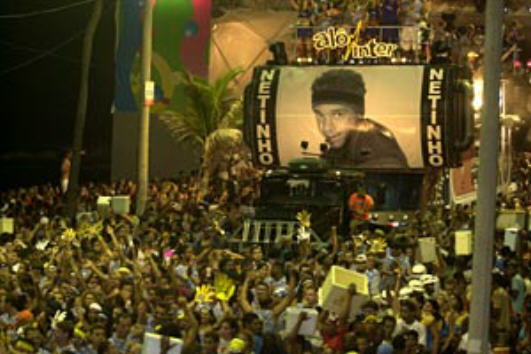
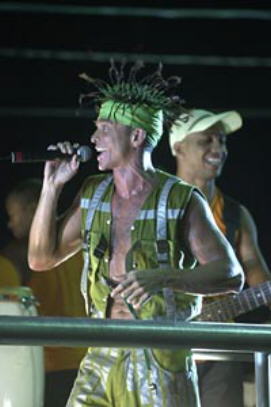
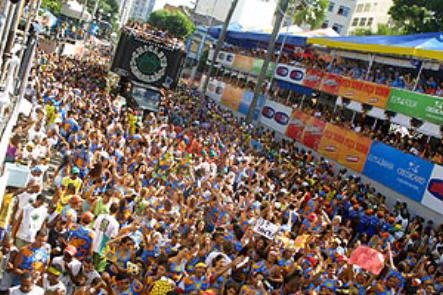
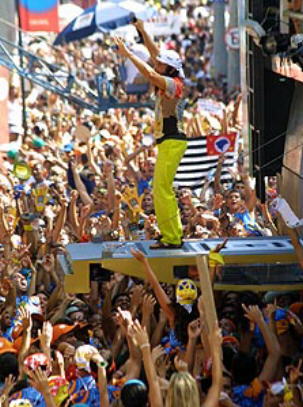
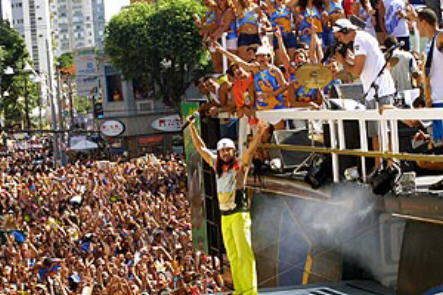
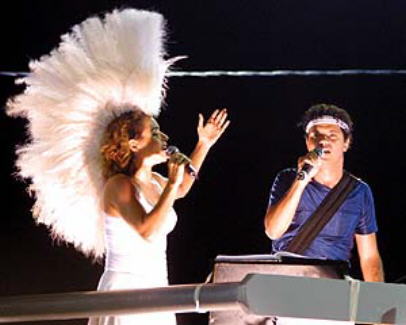
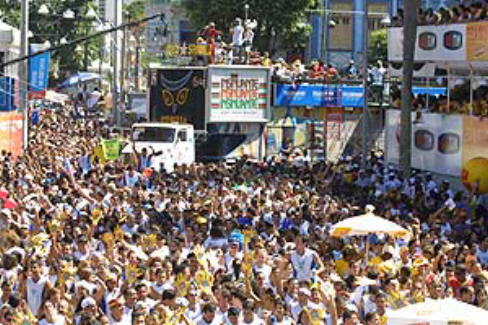
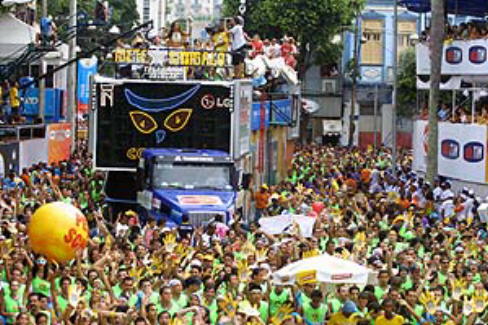
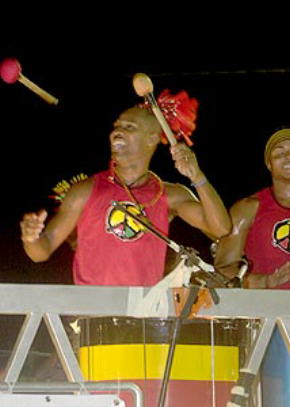
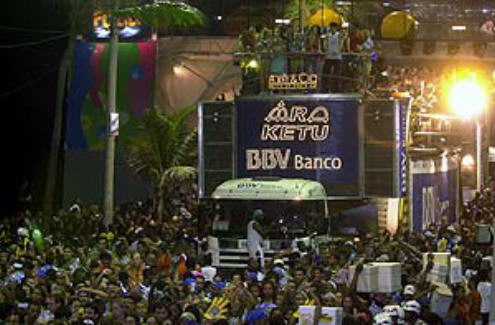
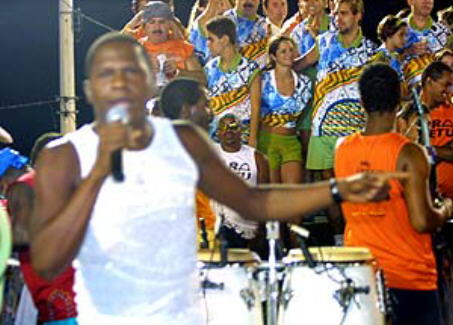
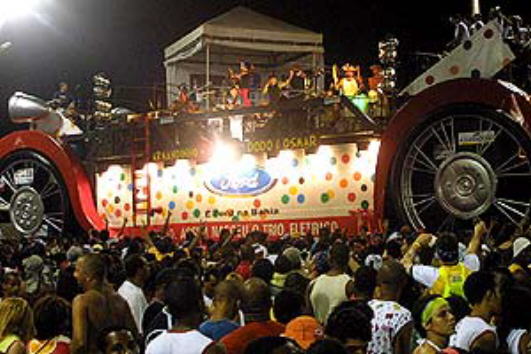
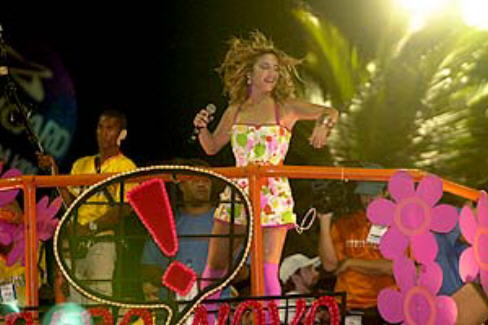
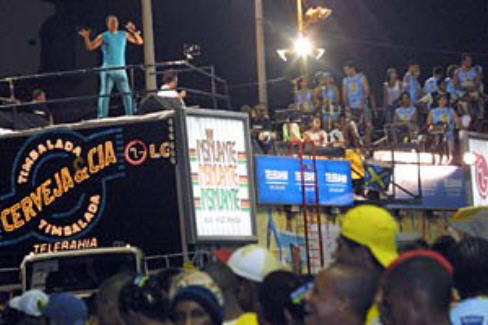
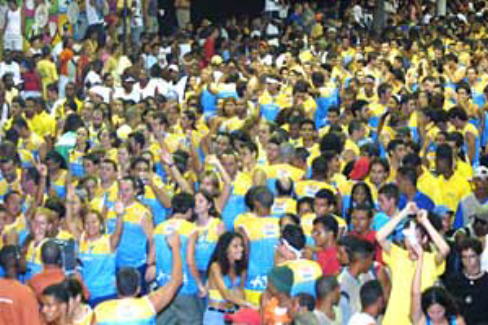
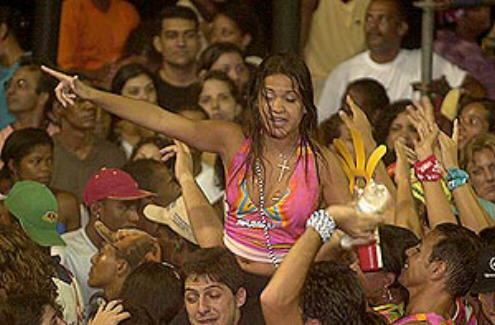
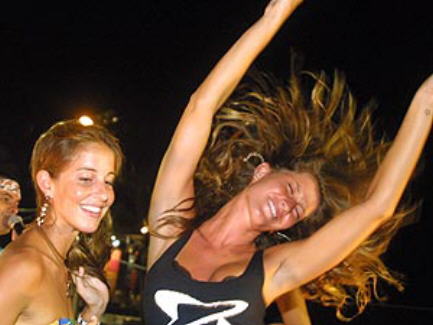
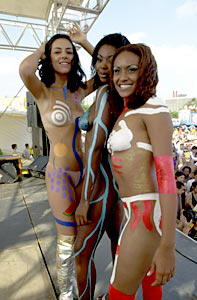
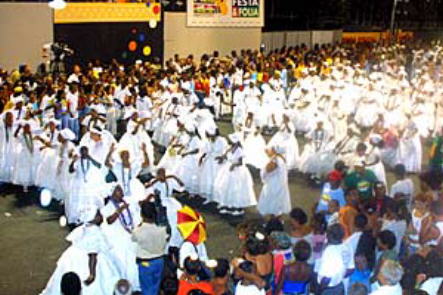
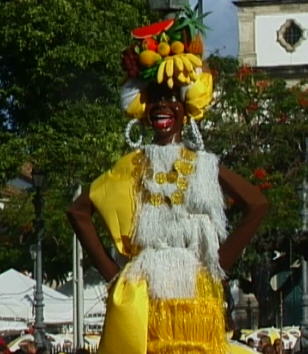
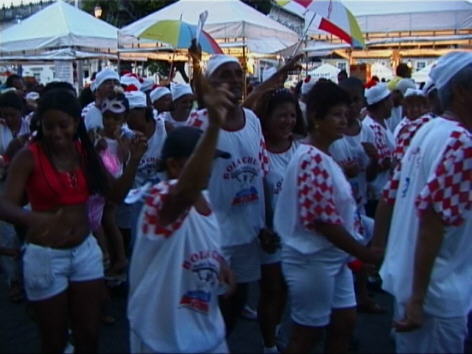
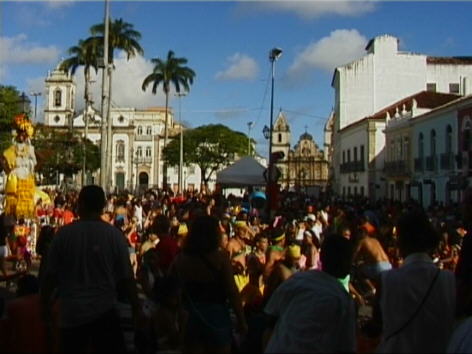
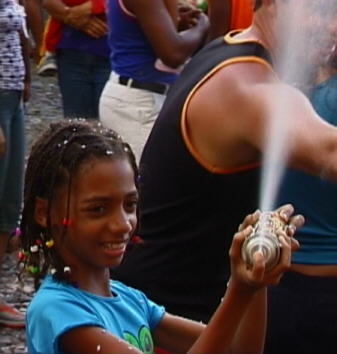
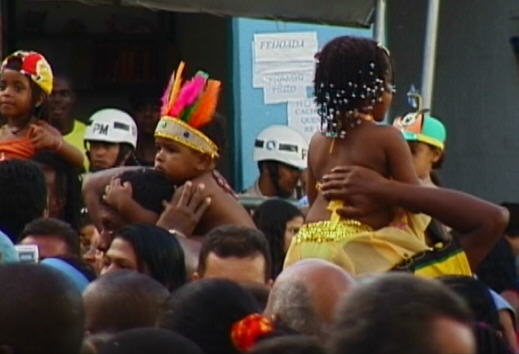
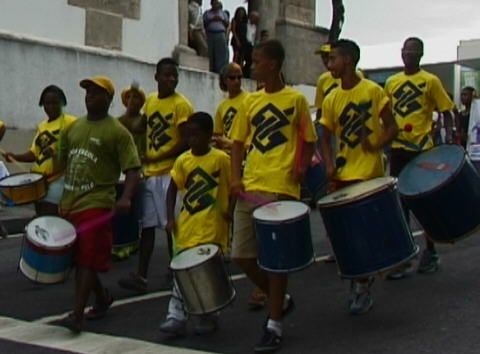
The fire and energy ignited among the Brazilians is immense. By European standards, the music volume is incredible. When the Trio Eléctrico, which are actually rolling giant loudspeakers, are cranked up, things really get going. The vibrations on the skin are almost painful. When the crowd, officially estimated at 5 million people on the streets, begins to dance and jump to the rhythm of the music, you have only two choices. You can let yourself be fully carried away, which is easier, or fight your way laboriously to the edge of the crowd.
The police presence during this time is massive, and at the slightest disturbance they intervene resolutely. I think that such a street festival would simply no longer be possible otherwise. Personally, however, I never saw a fight or anything threatening during this festival. Only a Dutch sailor had the cash stolen from his trouser pocket. Such carelessness in such a huge crowd is, after all, immediately punished worldwide.
The entire carnival lasts 6 days, practically around the clock. During this time, normal life here is brought to a standstill. All normal shops are closed. By comparison, the Swiss Fasnacht is a quiet, orderly little festival. Of course, completely different temperatures prevail there. During the day it is a solid 30° and at night still at least 25°. Naturally, the Brazilian temperament cannot be compared to the Swiss one. In terms of friendliness and zest for life, many Europeans could learn a thing or two here.
To describe this special ambiance further is actually impossible. Just come to Salvador, let yourself be inspired, and then judge for yourself!
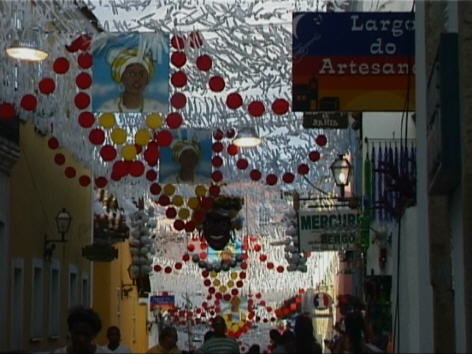
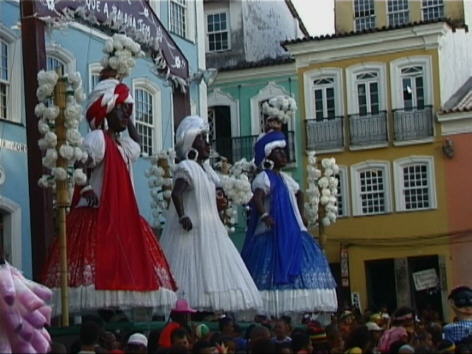
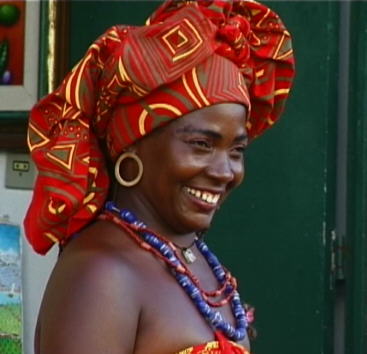
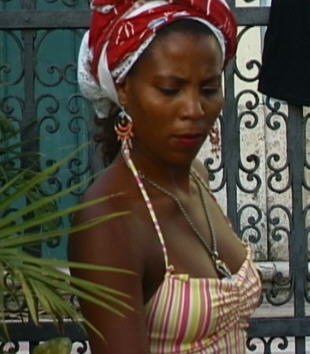
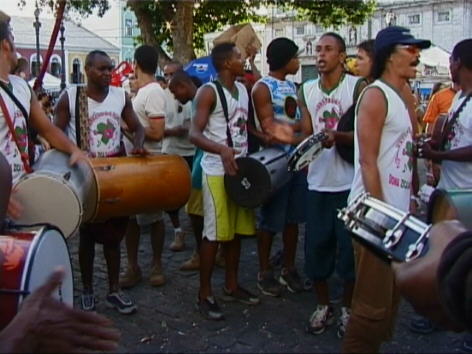
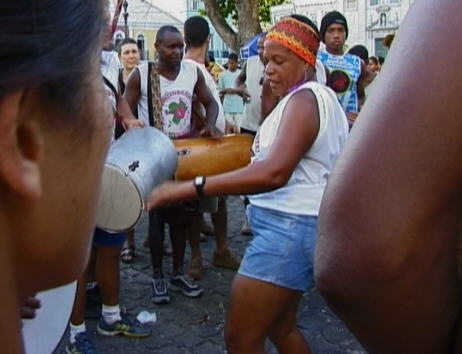
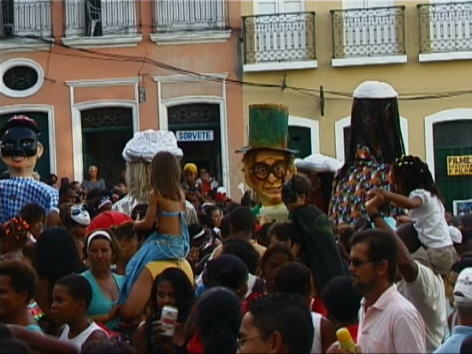
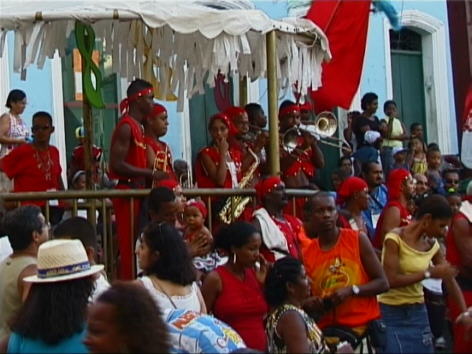
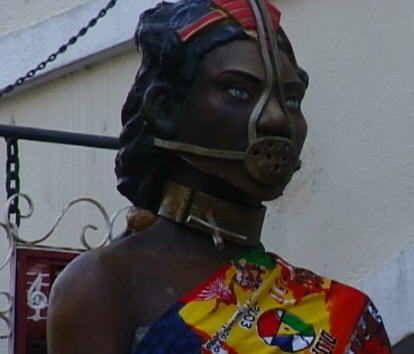
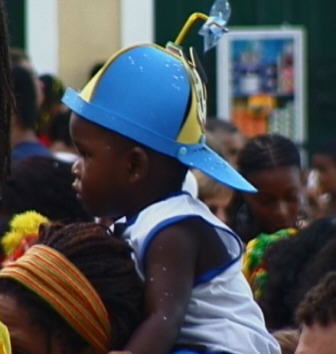
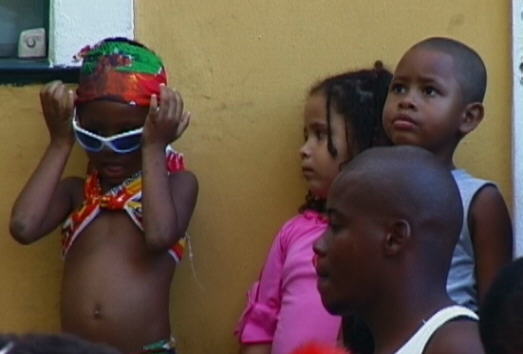
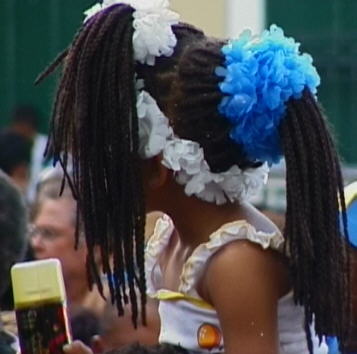
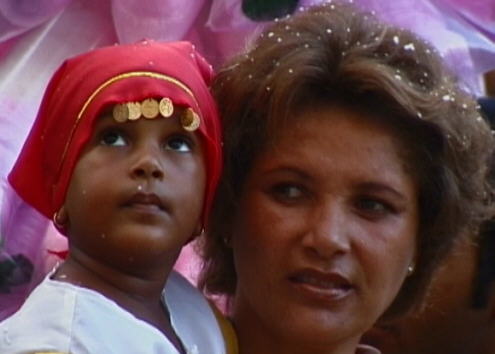
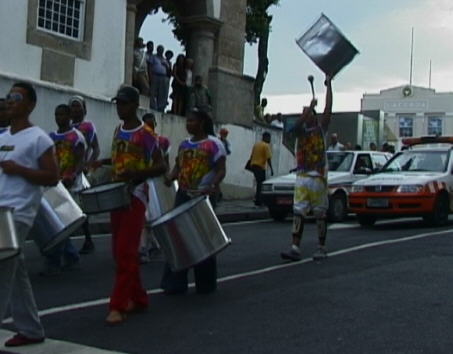
What remains to be mentioned is the fact that actually two huge events take place simultaneously here in Salvador. However, the locals always only talk about the carnival. For me, what was described above was a super mega street parade, and the carnival as we know it in Europe only takes place in the old town, Pelourinho. Only there were the drummers, the blocos with percussion instruments, the guggen music bands, and the very small groups marching through the alleys. However, these are also always accompanied by a crowd of dancing and cheerful people. Here it is mainly Black people, and they simply have a wonderful way of moving. We often just sat somewhere or strolled around and quietly enjoyed this hustle and bustle.
So you always have a choice of which of the two festivals appeals to you more. Mixed together, it was unique for us in any case!
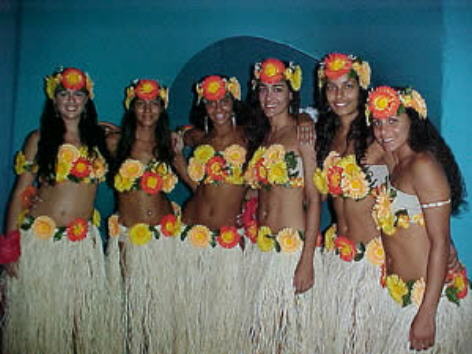
Carnival 2003 / The Giant Mega Street Parade
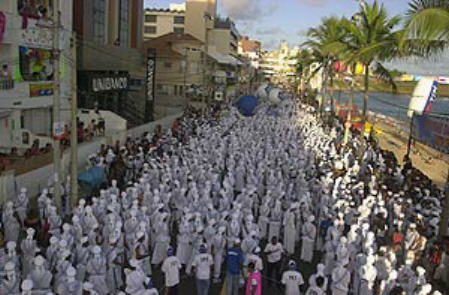
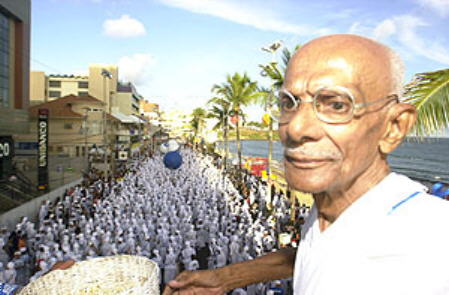
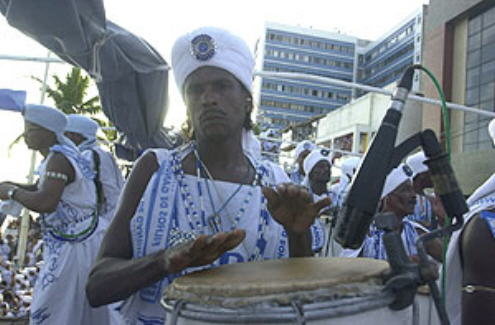
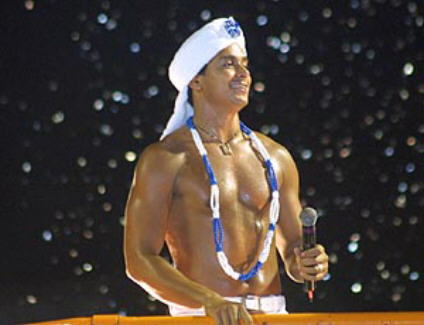
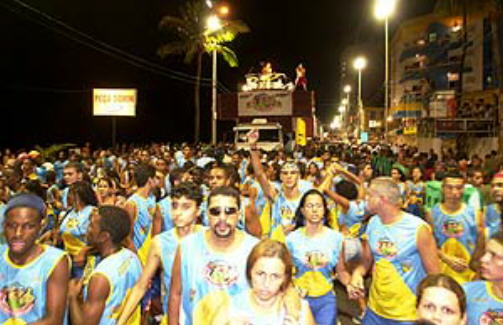
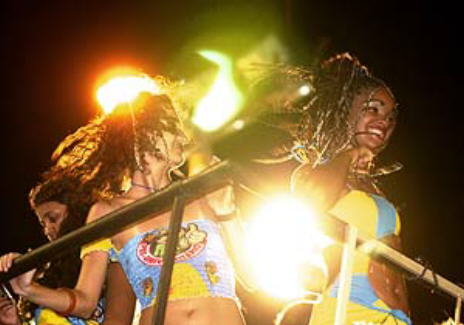
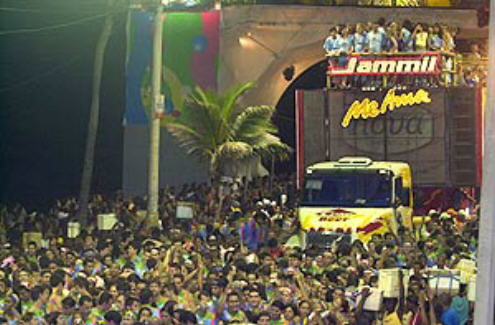



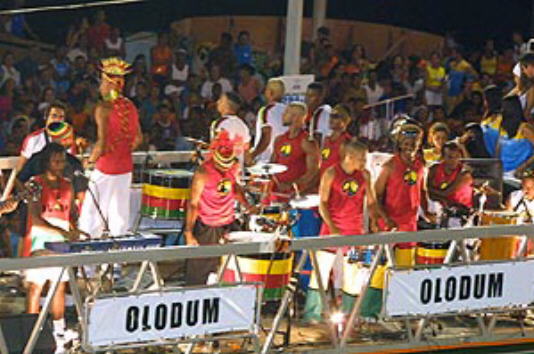


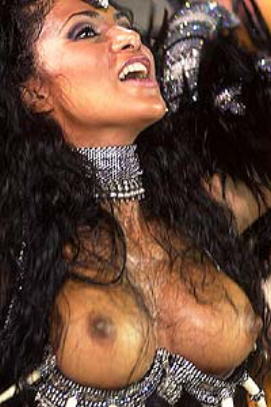
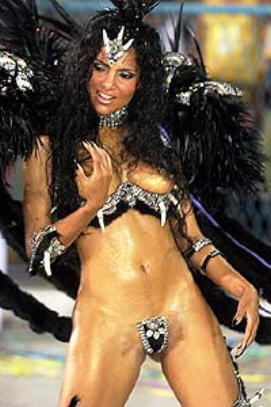

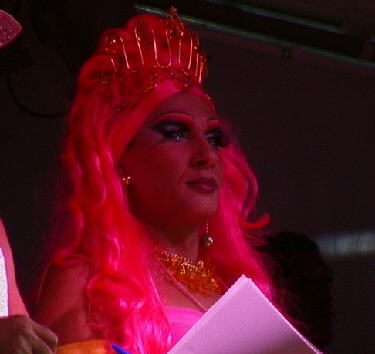
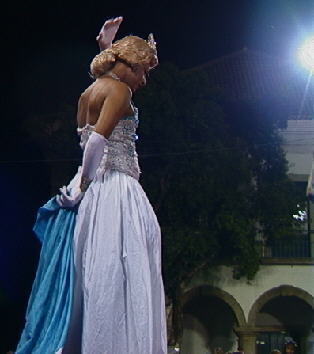
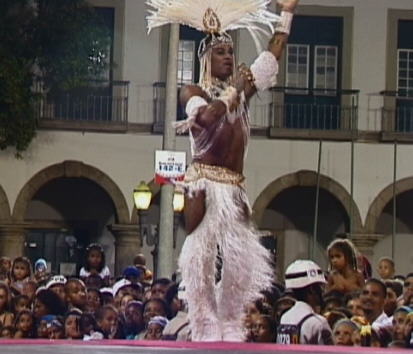
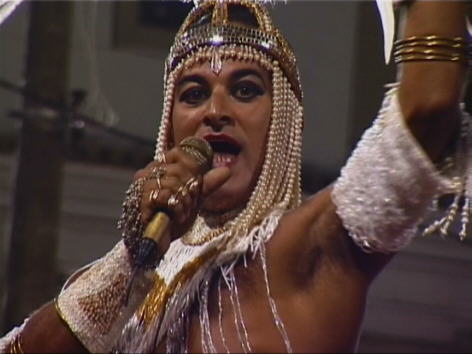
The Original Carnival in the Old Town "Pelourinho"
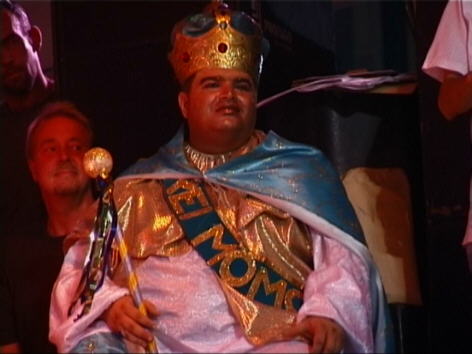
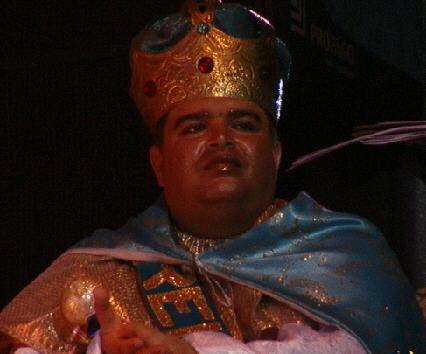

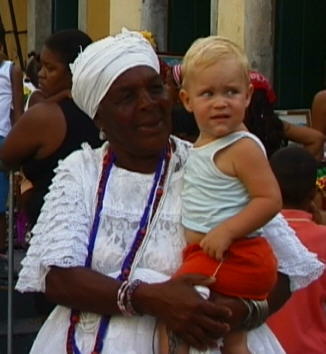
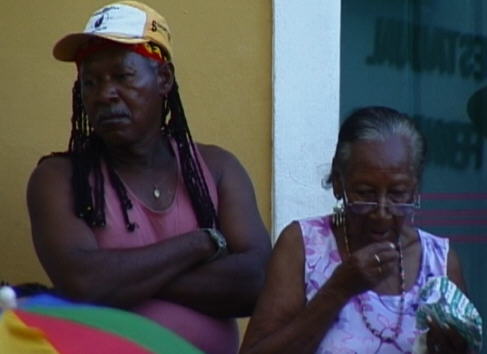
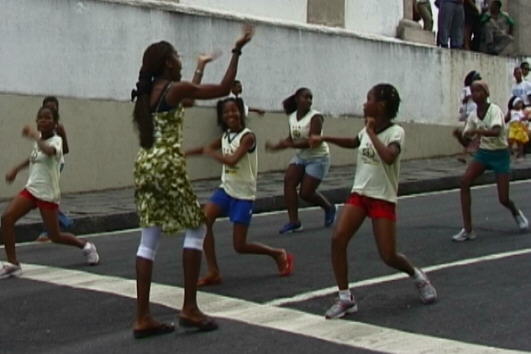
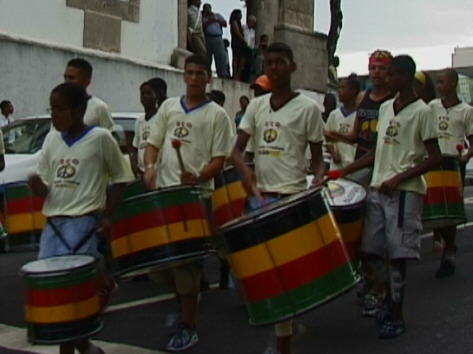
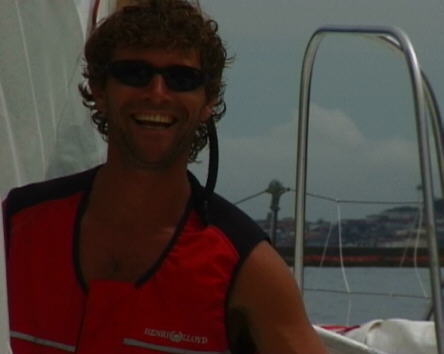
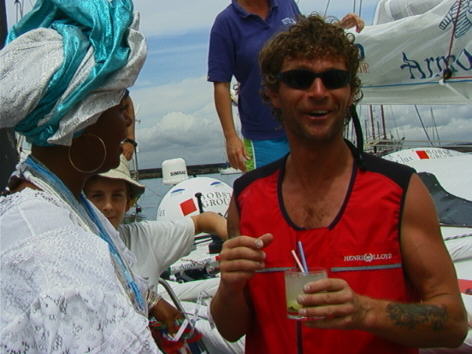
Arrival of "around alone" with Bernhard Stamm
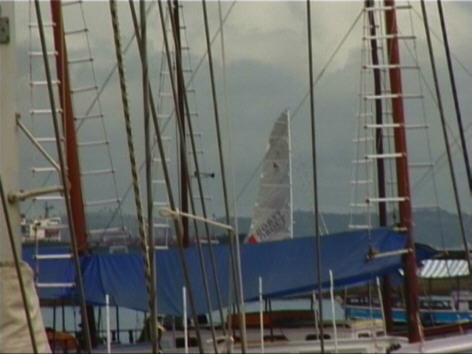
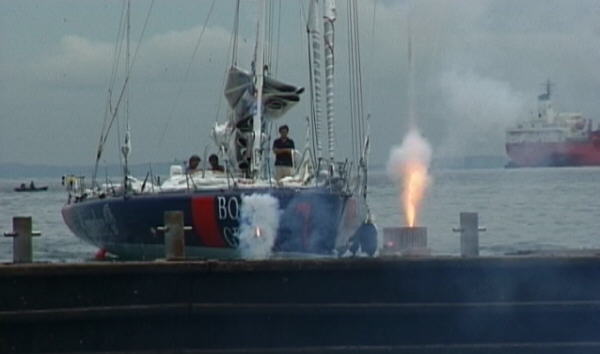
Friday, 11 March at exactly 11:30, the loud cracking of fireworks suddenly resounds in the harbour. There is great, general excitement. The super-fast racing boat of our compatriot crosses the finish line. Now we, strictly speaking book author Otti Schmid from the "Hasta Mañana", all four from the "Stenfis", and Yvonne and I from the "MOMO", are once again true patriots. The boat flags briefly become ordinary Swiss flags and, naturally fitting the occasion, are swung accordingly. Our foghorns are repurposed and fill the entire harbour basin with sound. At least in sailing, Switzerland is a force to be reckoned with right now. "Alinghi" winner of the America's Cup and Bernhard Stamm still first in the single-handed race "around alone". We can rightly be proud of that. Hopefully this will help a little to restore the bruised self-confidence of some compatriots back home.
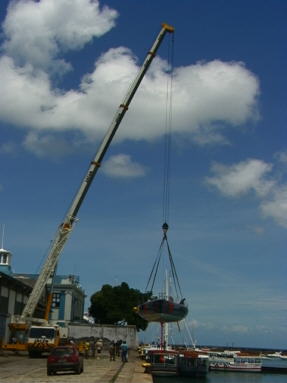
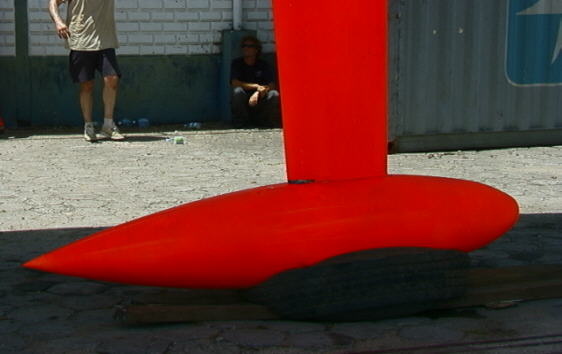
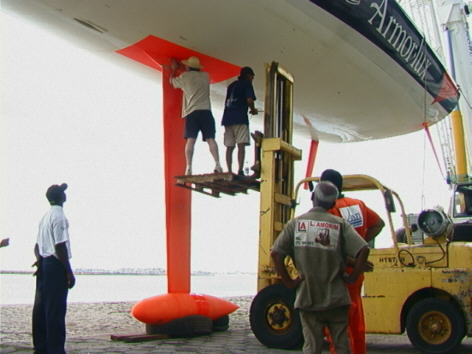
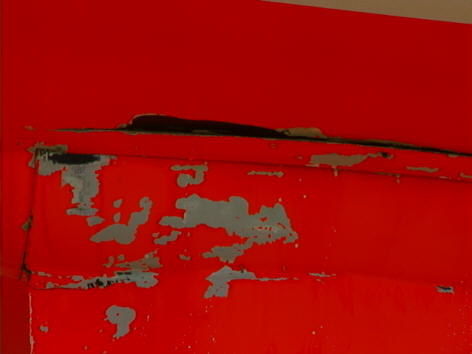
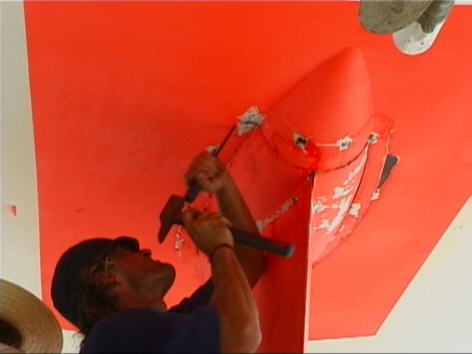
In April I will then show an interesting boat comparison between the super racing yacht of Bernhard Stamm and our cozy blue-water sailing boat. Also, of course, pictures of the start of the "around alone"

Lençois and our excursions in Chapada Diamantina National Park
At 7:00 in the morning we leave Salvador by official bus, heading towards the hinterland of Bahia. The distance is roughly the same as from Romanshorn to Geneva, meaning right across the whole of Switzerland. Here, in this huge country, we are still in the wider surroundings of Salvador.
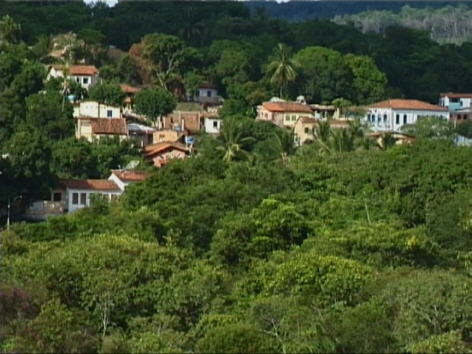
Lençois is a lovely, old and small town that focuses entirely on ecotourism. Yes, you read that correctly, ecotourism. Here they really try to prevent large hotels, large tour groups and mass tourism. Hopefully they can keep this up.
We thoroughly enjoyed staying in a hotel for once. Thanks to information from a Frenchman, we had found a small but all the more delightful hotel. It was exceptional in every respect. From an extremely tastefully coordinated interior design, to incredibly attentive and friendly staff, to a location right by the river, with a totally open hotel entrance without doors and windows. Here is the address of this insider tip: Hotel Canto das Águas, Lençois. www.lencois.com.br
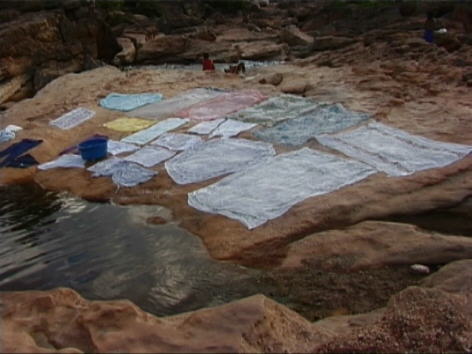
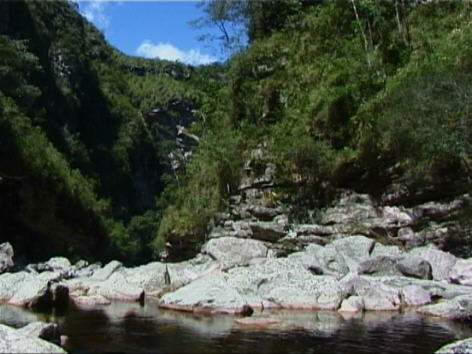
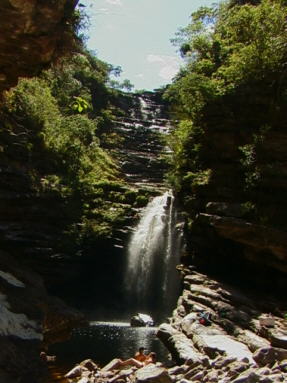
The hikes here are partly quite demanding and require a certain level of fitness. On the one hand it is the intense heat and on the other hand there are no hiking trails as we know them. The most beautiful waterfalls and natural swimming pools can only be reached with a local guide and with difficulty by heading up the stony riverbed. Riverbed here means climbing over huge stones in places, then crossing the watercourse and every now and then climbing up some steep slope and back down to the riverbed on the other side. To the left and right of the river is primeval forest, so there is no way through. At the end of our 4‑hour walk, however, we were rewarded with a special, refreshing swim.
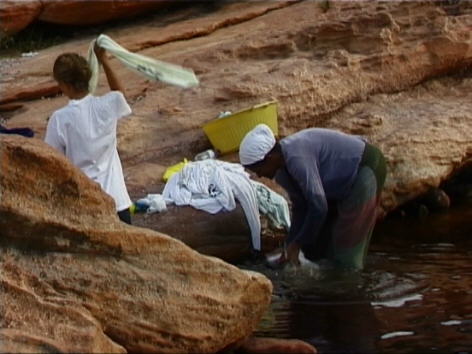
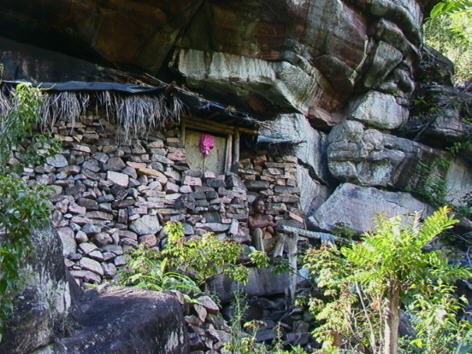
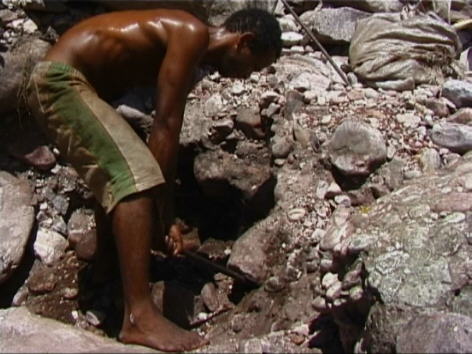
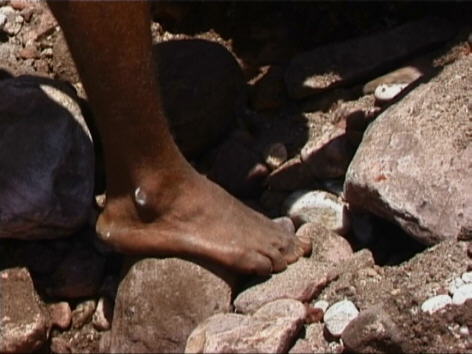
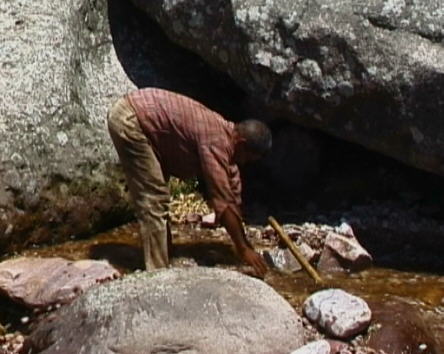
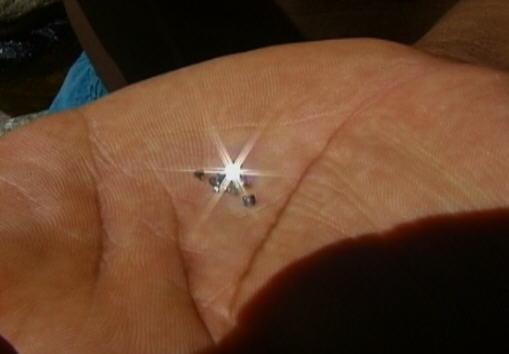
In this river, a few locals still struggle today, panning for diamonds by hand. Yet with their finds they cannot make big money, it barely suffices for a decent living. In this region, diamonds were mined on a large scale, meaning with heavy machinery, until about 10 years ago. The extensively ploughed-up earth still shows its scars today. This mechanical mining is now banned and the land has been placed under landscape protection. Nature can now slowly recover.
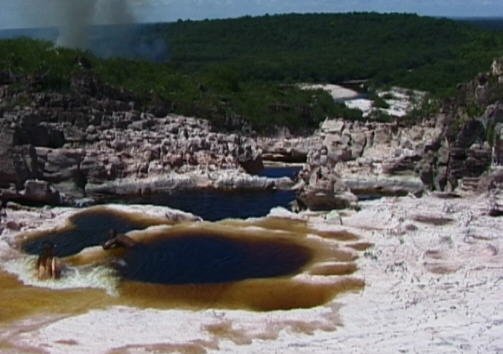
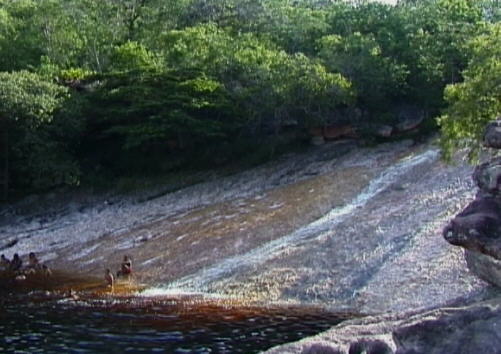
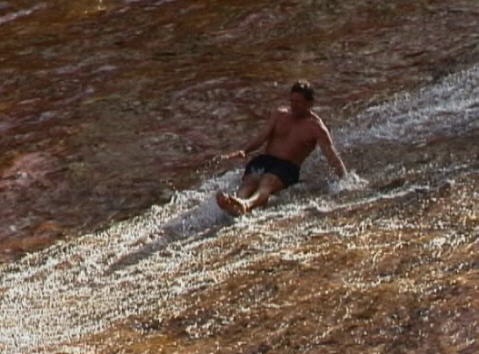
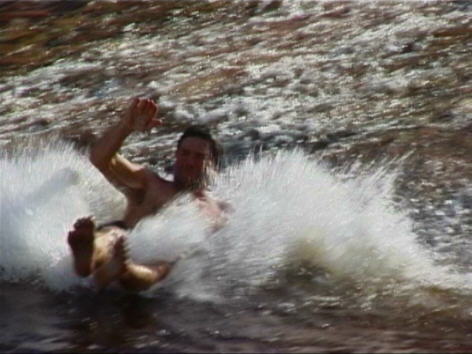
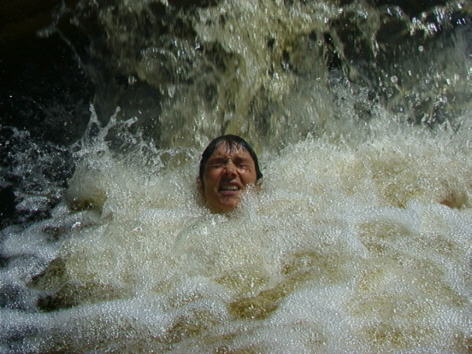
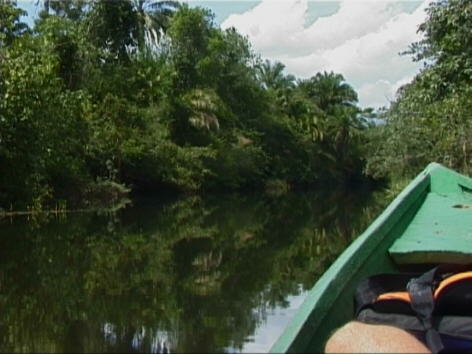
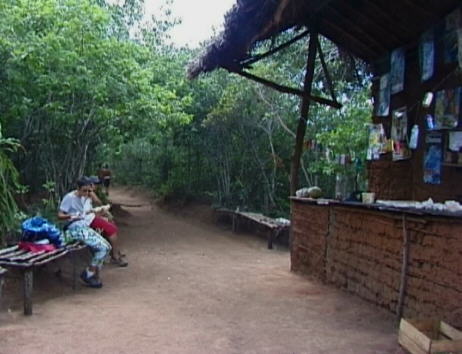
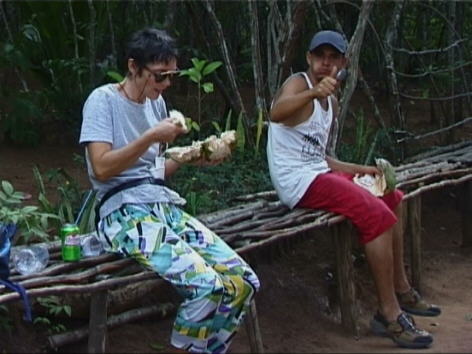
On another day we joined a group. We were 12 people, apart from us all Brazilian tourists who came mainly from the south. Most of them have European roots, as many Germans, Italians, etc., emigrated to Brazil over the past centuries. It was very interesting to talk to them and we were able to learn a lot about their lives. On this excursion, the organizer took us to a small village where, after a short walk, we got into modern dugout canoes. For about 2 hours, a local guided us on the river through a labyrinth of waterways. The boat trip was very quiet and leisurely, at times leading through dense primeval forest and at times through the swamp area known as Marimbus. After this ride we continued on foot until we reached a river mouth. There we climbed up the riverbed. This place was a dream for swimming. Over the centuries, the stones there have eroded large pools that lie on different terraces and are connected by waterfalls. It was like a large water park, but created entirely by nature. Of course we were the only people there again and we enjoyed this gift of nature. Afterwards, a jeep took us back to the starting point. The return journey led us right through the former diamond mining area and across wild riverbeds. We progressed very slowly, because at times there was no trace of a car track to be seen. We repeatedly wondered how it was even possible to get through here with a car.
Some pictures of our journey to the diamonds