Canada · British Columbia
Setting off on "Round Vancouver Island"
Setting off on "Round Vancouver Island"
The maintenance work in Port Townsend was finished, the diesel and water tanks of MOMO were full again, so let us get going, because this spring and summer we have a real vacation. No fixed schedule, no guests on board, no hurricane season breathing down our necks, just going on, according to our mood and desires. Circumnavigating Vancouver Island was our whole goal until next August. Only then was our next milestone, when it would be time to head offshore towards San Francisco.
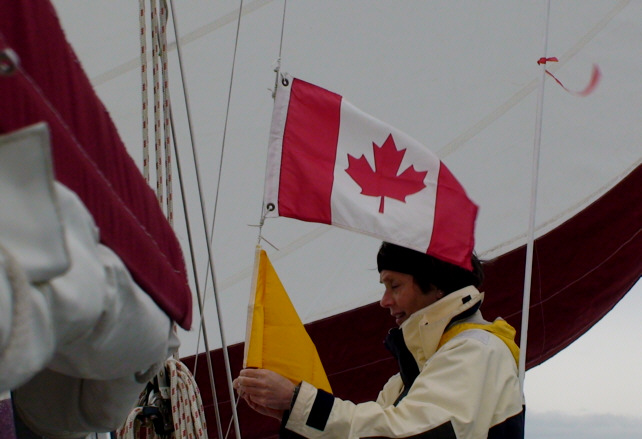
Circumnavigating the island, which we did not consider to be a major challenge, is the actual sailing highlight for most sailors in British Columbia and the US state of Washington. Anyone who has successfully completed this circumnavigation here can be counted among the very, very brave.
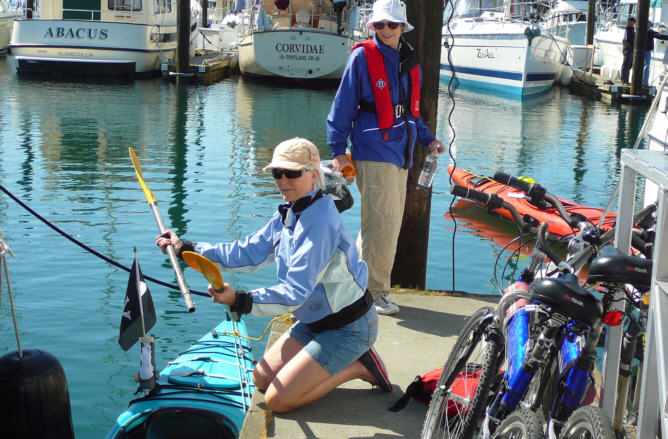
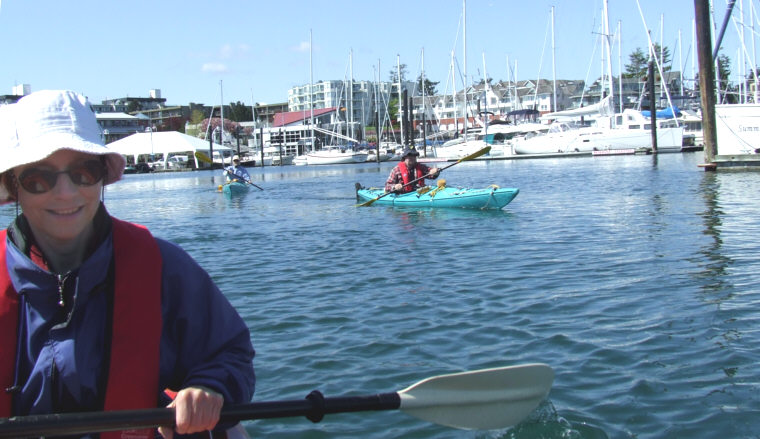
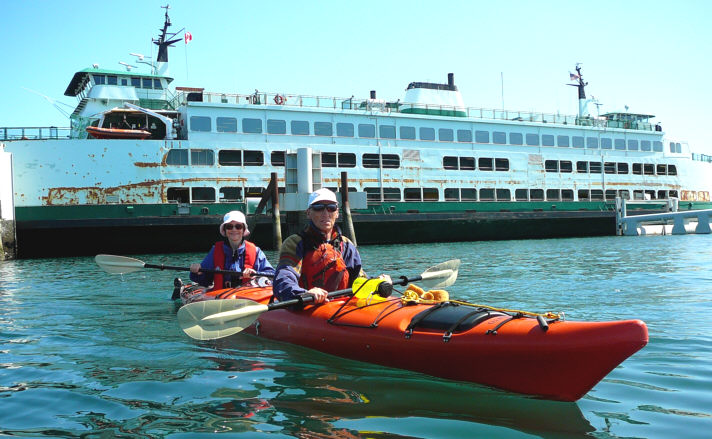
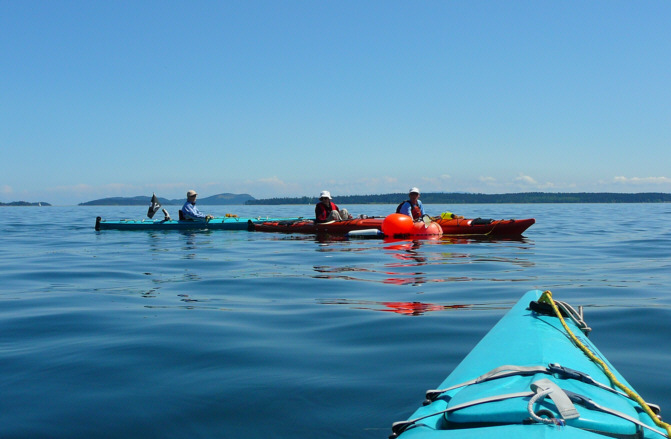
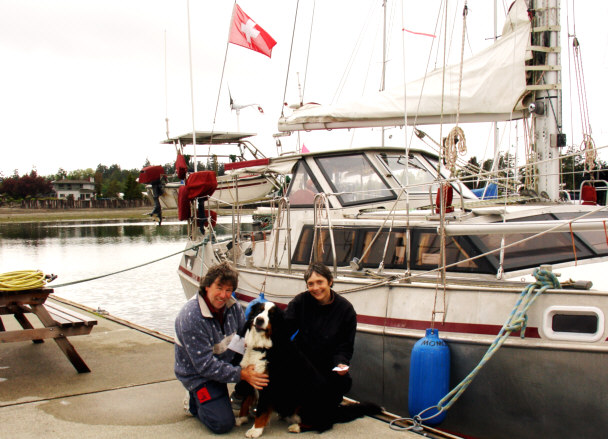
Our first major stop was, of course, in Sidney. Here there were various farewell dinners with friends and also on board MOMO. Memories were refreshed and promises were made to visit us somewhere in Polynesia, or at the latest back in Switzerland. In the most beautiful spring weather, Norma and Rolly invited us on a kayaking trip. Sidney and the weather showed themselves from their most pleasant side. After Maggie, the Bernese Mountain Dog belonging to Kathryn and Neil, had also wished us a good trip, we finally left the city of our first wintering in Canada. The Olympic city of Vancouver, which we had liked very much the previous year, was waiting for us.
Vancouver, the 2010 Olympic city
Via the Gulf Islands, an archipelago with hundreds of islands and islets, we reached Porlier Pass. Of course, this is not an alpine pass, but a small strait where the water flows in or out depending on the tide. A sailboat has to be a little careful here and follow the exact times given in the tide table. At "slack", which is the time of the change from ebb to flood (or vice versa), the passage is no problem at all, because there is no current and usually only very small turbulence in the water. Crossing the Strait of Georgia once again gave us wonderful sailing pleasure. On this 20-mile exhilarating ride, MOMO clearly showed us that she is effectively a fast sailboat and not just a motorboat chugging along.
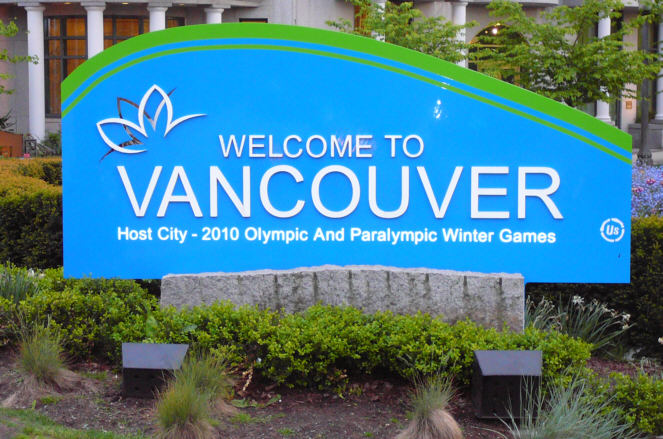
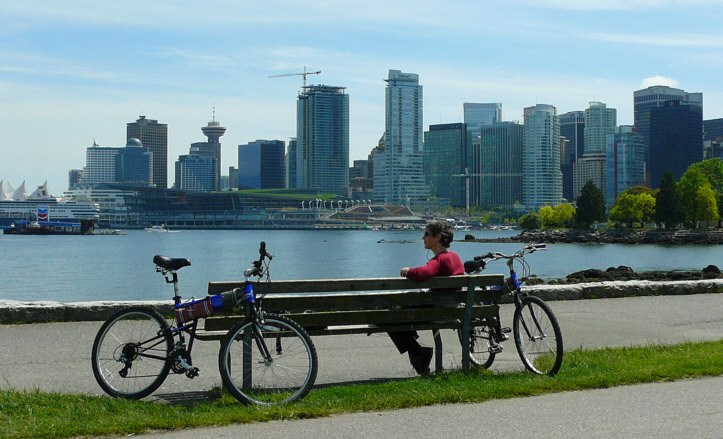
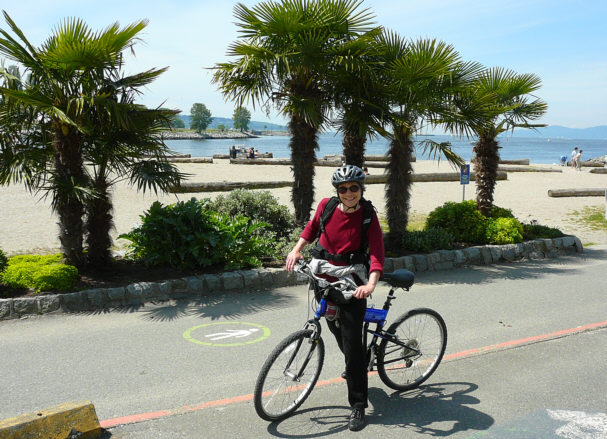
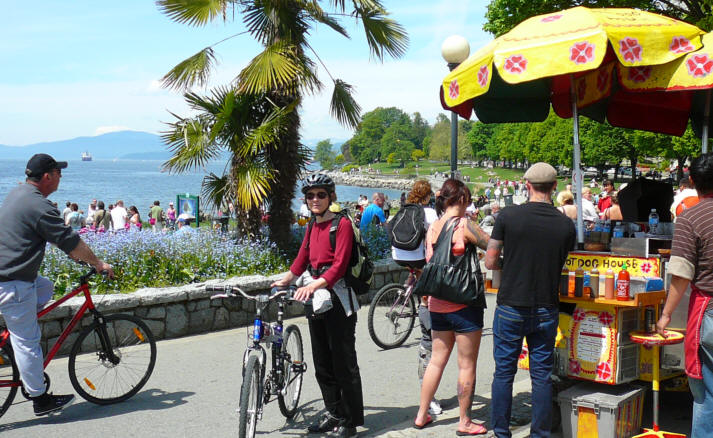
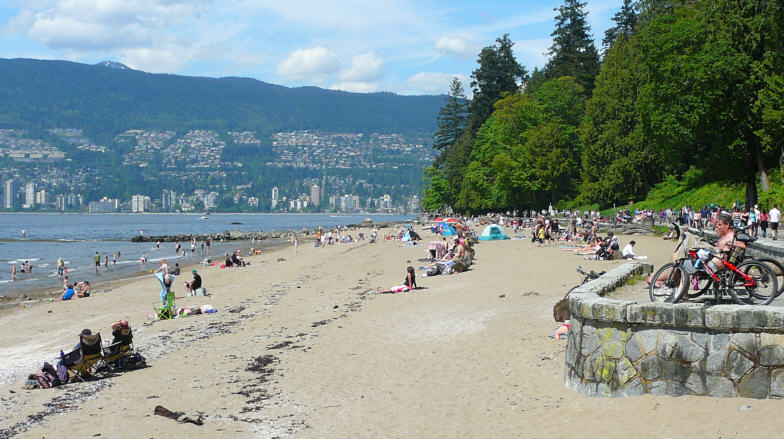
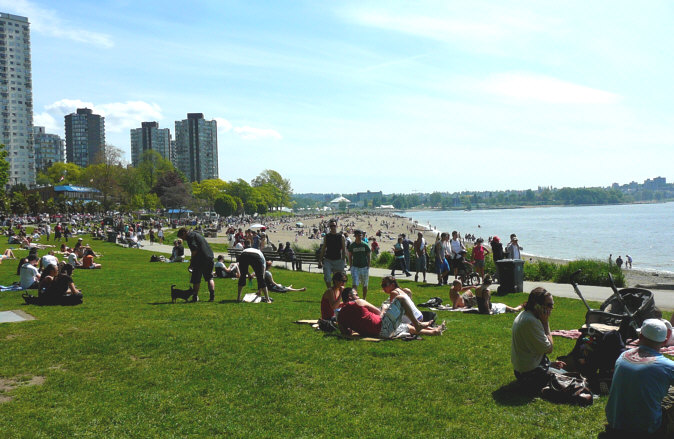
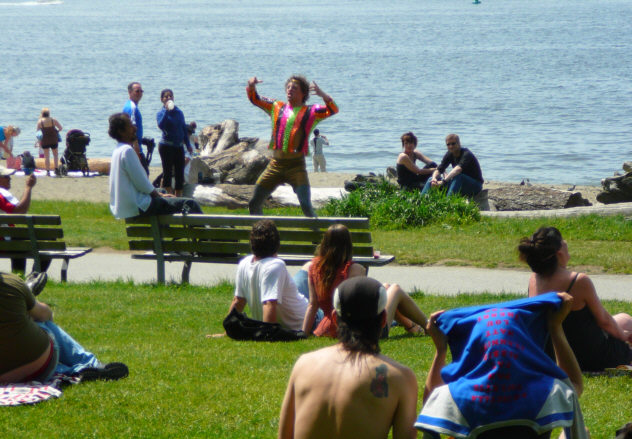
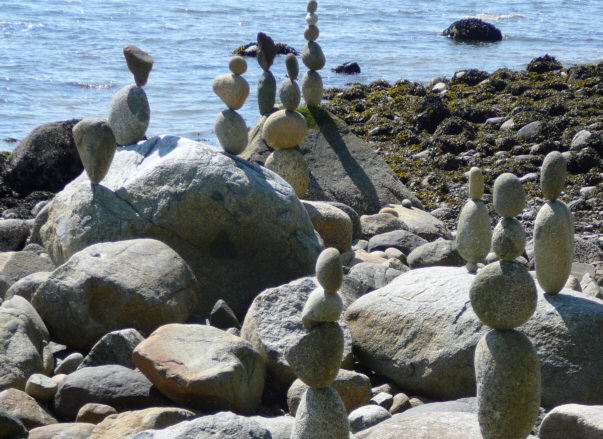
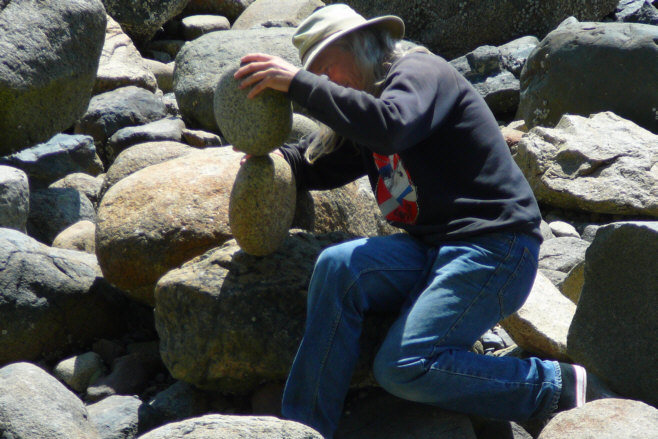
In Vancouver, we anchored in False Creek again, right in the middle of the city. This year the weather was wonderfully warm and we enjoyed our long bike rides in and around the city. I have never seen a city in North America that has so many perfectly developed bike paths.
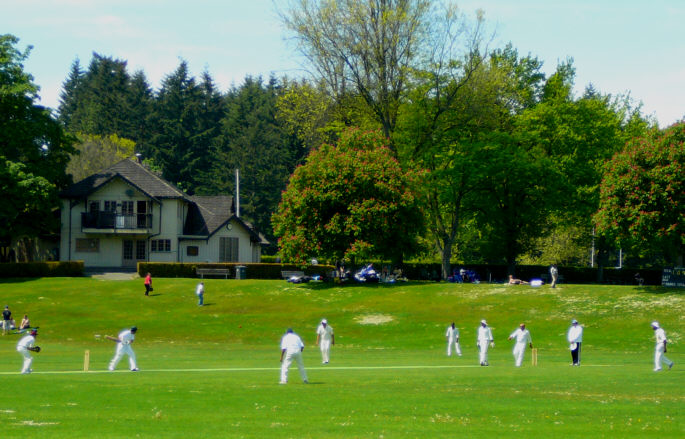
You also get the feeling here that half the city is out jogging every day. Pure sport can be encountered everywhere, practiced by thousands of people.
So the athletes of the 2010 Olympics can look forward to a huge wave of enthusiasm, it is really a pity that I am already soooooo "old".
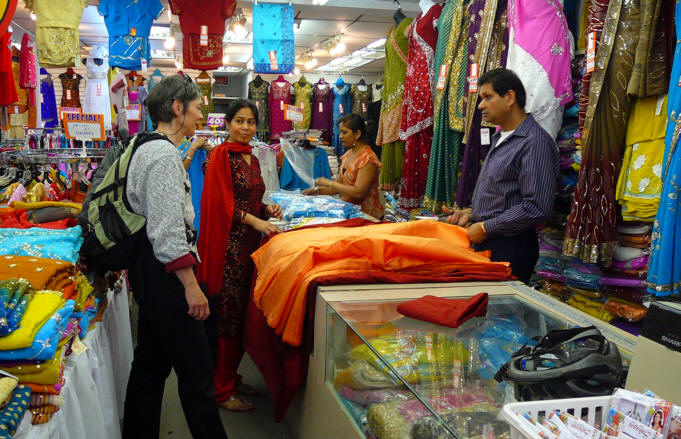
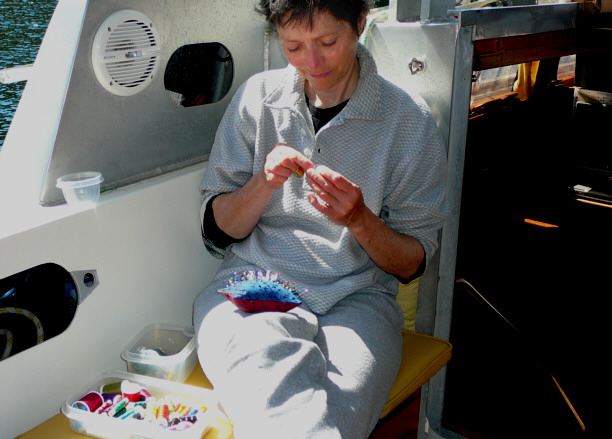
Yvonne biked through half the city to finally find the silk fabrics she was looking for in the Indian Quarter. There she blossomed (even more than usual) and could not get enough of rummaging through the fine fibers. Meanwhile, she had even learned to bargain for a good price, at least a little. Now she had enough material for the next few months (or years) to not run out of supplies for her silk jewelry production.
So she had reached her Vancouver goal, but I had not. Two days before our arrival, the Vancouver Canucks were eliminated from the playoffs. On the exhilarating ride to Vancouver, so in an absolute high, I approved the considerable expenses for this game ticket, and then unfortunately this great disappointment. All my anticipation for an NHL playoff game at the General Motors Place stadium was shattered. Well, after all, there are worse things in life and if I just think of the SCB playoff debacle of 2008/09...
Skookumchuck Narrows
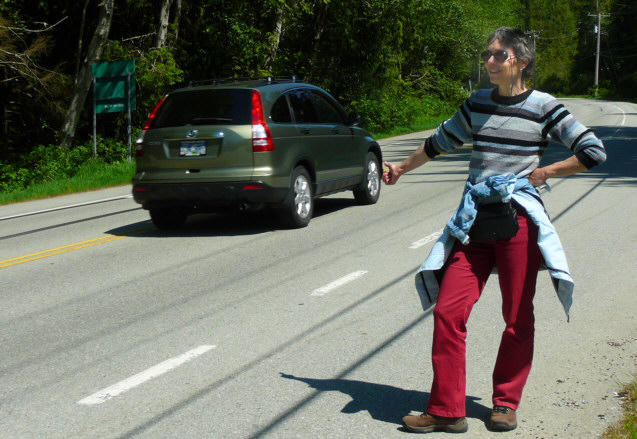
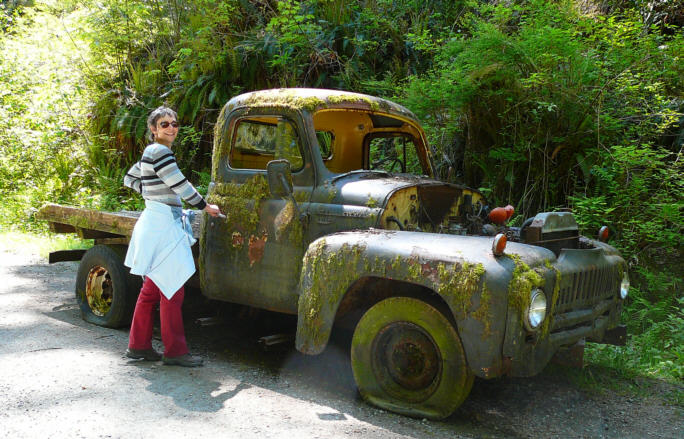
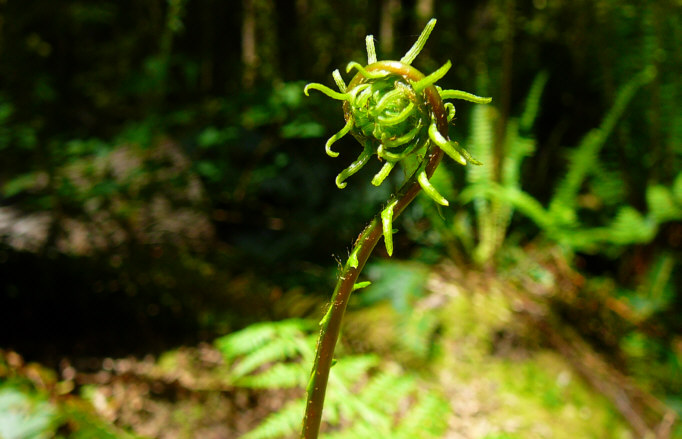
We were anchored in Pender Harbour and decided to visit what local self-promotion calls the strongest tidal rapids in the world. For MOMO, this meant motoring against the current for a whole day. We did not like that at all, so we remembered our youth and tried to get there by hitchhiking, just like teenagers back then. At first we had no luck, or maybe we did not look very trustworthy. Somehow it worked out after all, because a young local sailor who had supposedly seen us on MOMO took pity on us.
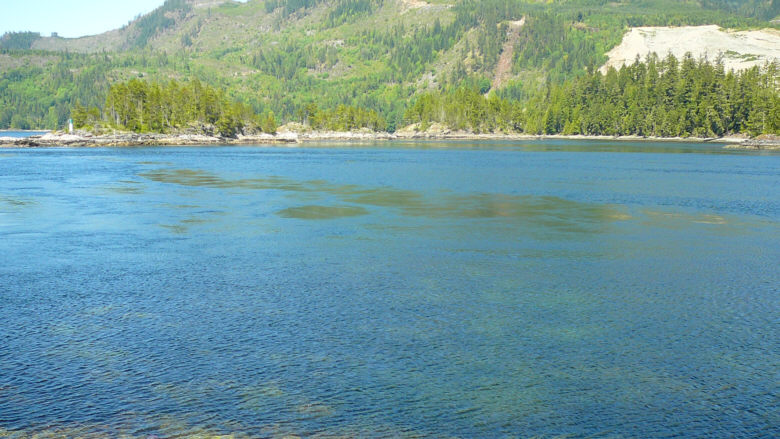
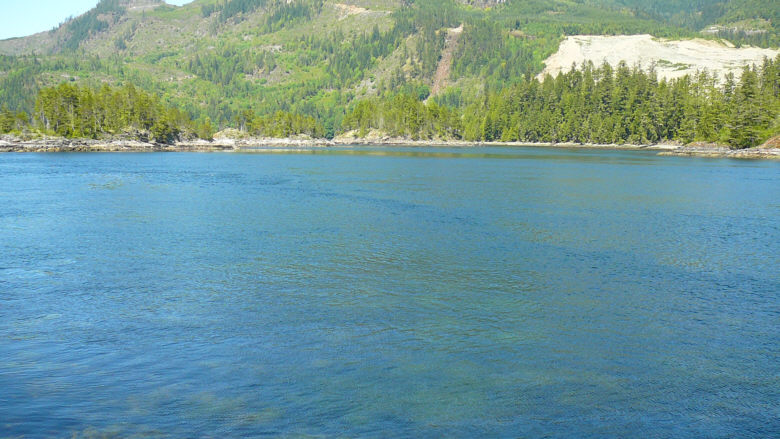
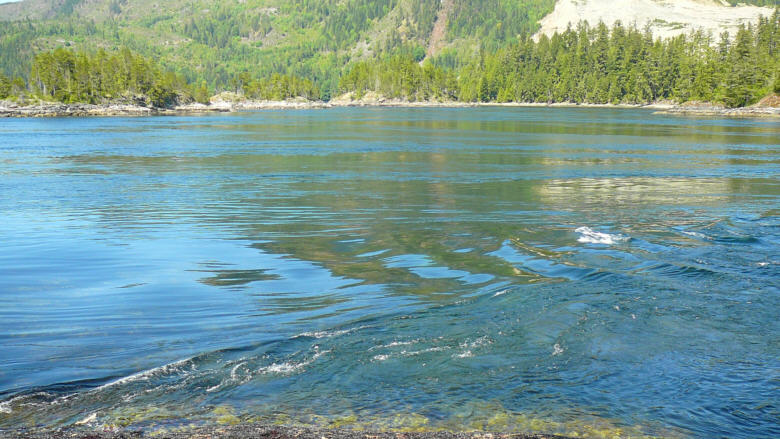
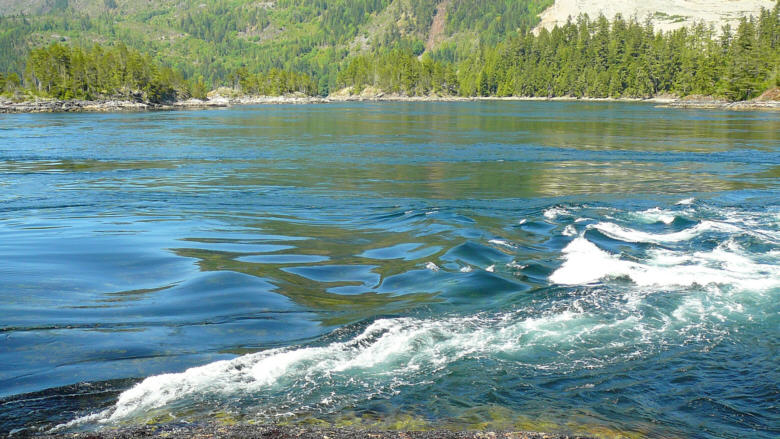
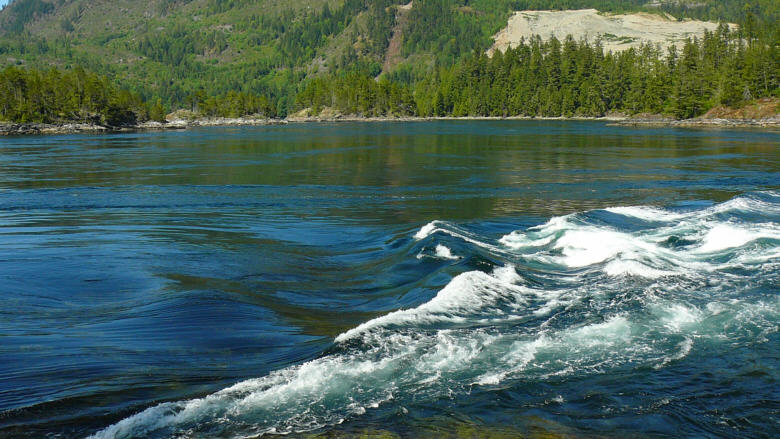
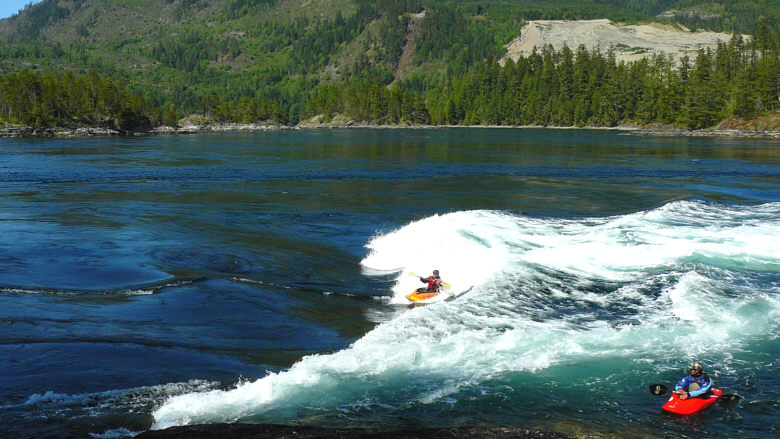
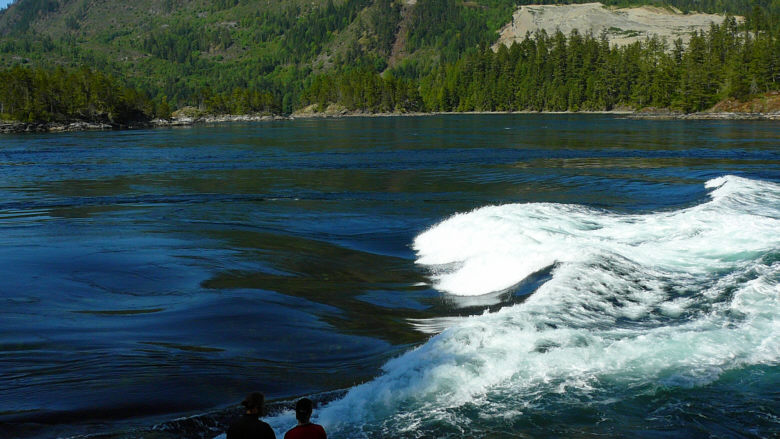
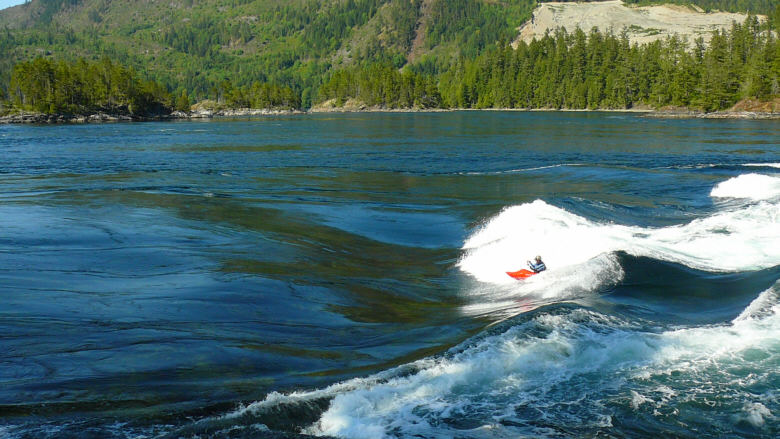
The fishing village of Egmont was the end of the line, and then a foot march of an hour and a half was on the agenda.
The Skookumchuck Narrows are located on the so-called Sunshine Coast, and this is the only water connection between Sechelt Inlet and the Pacific. The tidal range here is about 3 m, and the current reaches peak speeds of up to 18 knots (32 km/h). Then this strait transforms into a spectacular whitewater ride for brave kayakers.
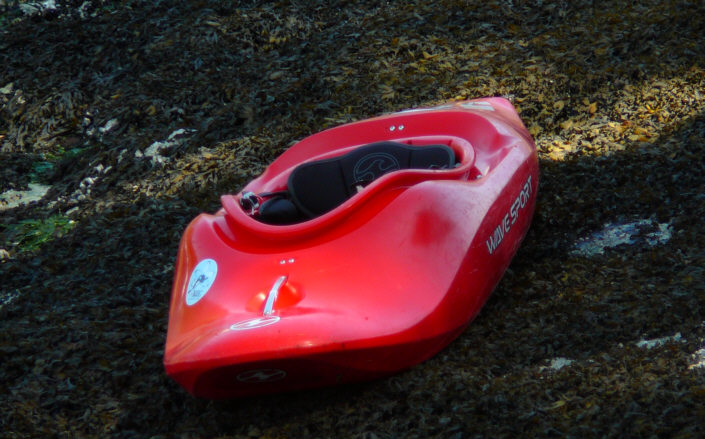
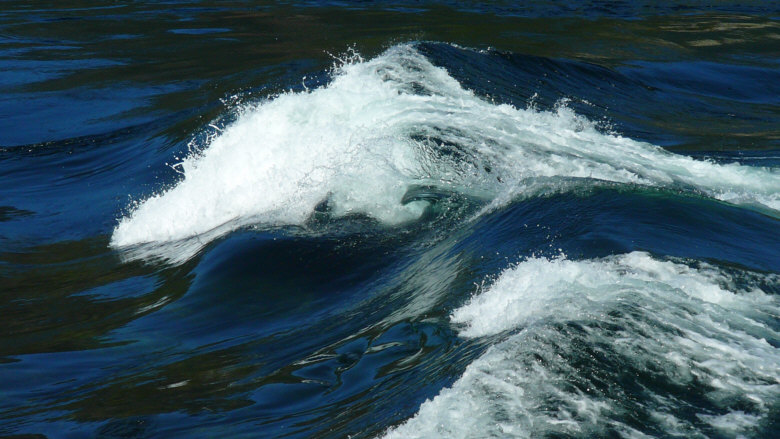
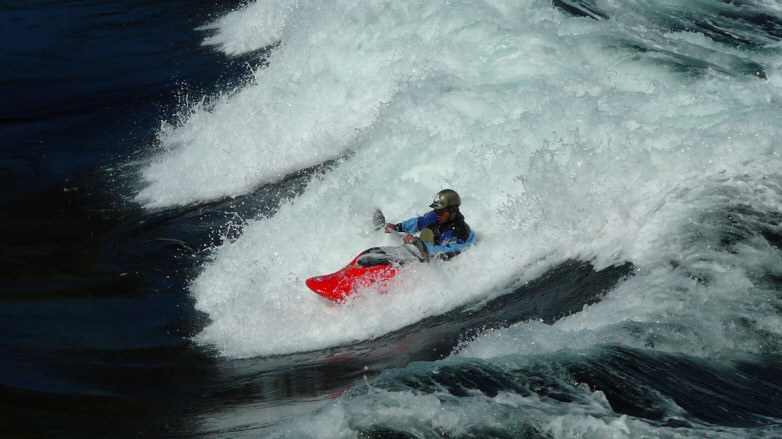
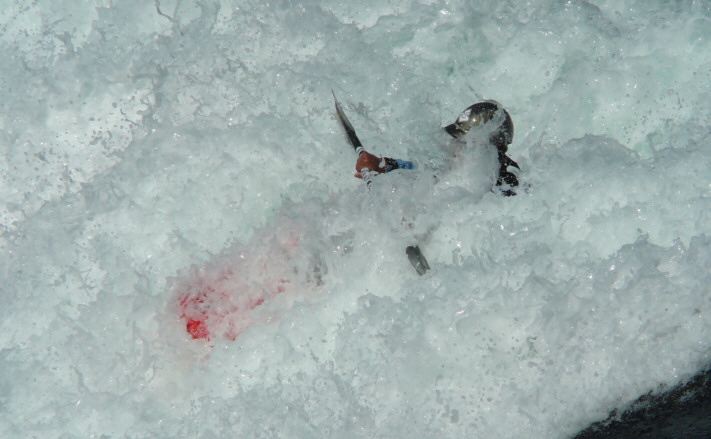
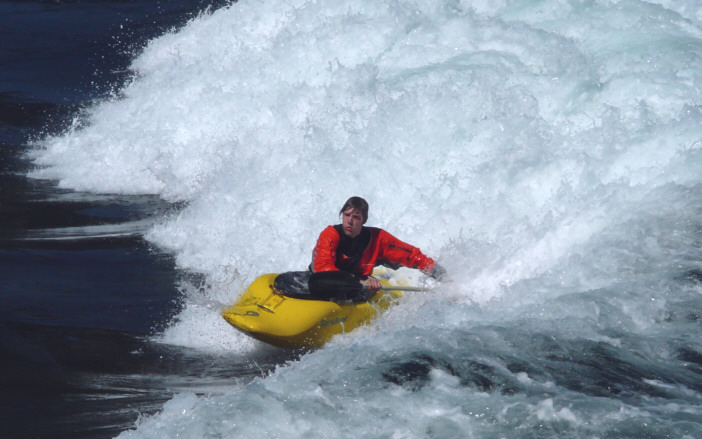
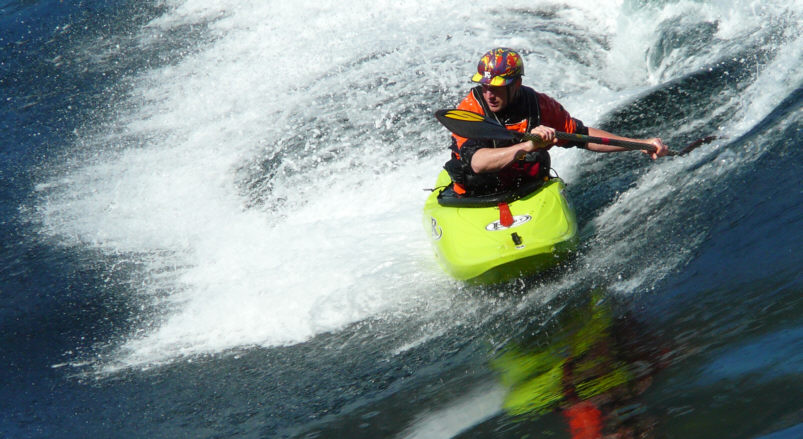
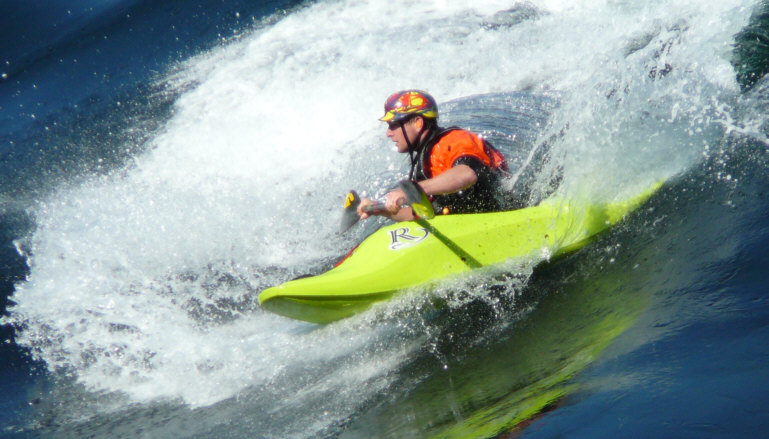
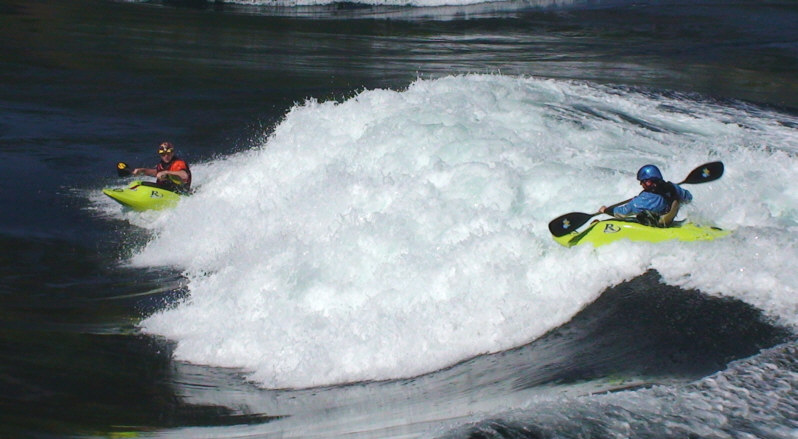
It was a magnificent spectacle that impressively demonstrated these forces of nature to us spectators as well, from the dry and safe shore.
In the language of the Chinook First Nations, Skookumchuck means strong water or churned-up water. I think this is an absolutely fitting name for this tidal rapids, even if, strictly speaking, it is not the fastest in the world. According to my research, there is an even faster one in Saltstraumen, in Norway ....
A little further north
Partially we were now back on routes already known to us from last year. Although we always chose new anchorages, a quiet sense of déjà vu increasingly emerged. The bays were really beautiful, but they certainly resembled each other a great deal.
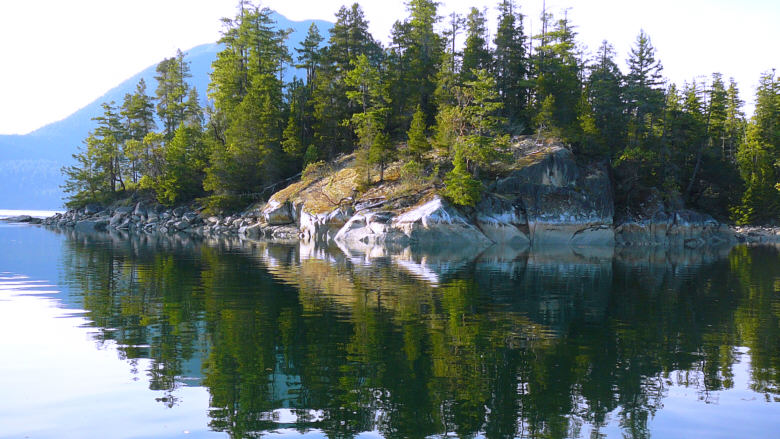
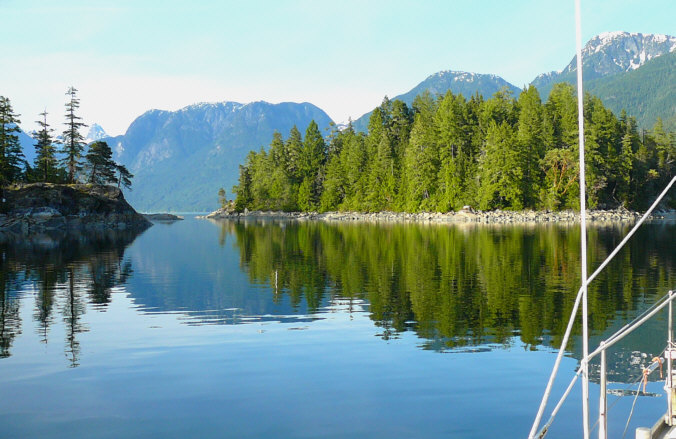
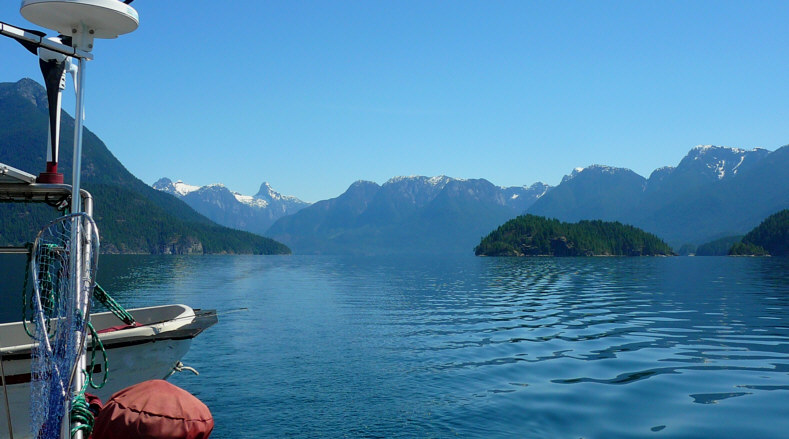
This year we had much more time available, and so we also wanted to explore the various islands a bit better. However, this turned out to be a major problem. Away from the villages, there were actually no paths or trails. The untouched rainforests here are still so dense and wild that penetrating them was completely out of the question. Thus, our discovery trips, with few exceptions, unfortunately more and more limited themselves to shorter beach walks, and this only at low tide, because with the large tide here in the north, the beach mostly disappears underwater.
The infamous rapids, which still triggered some adrenaline rushes for us last year, were no longer a big topic of conversation. This time we knew exactly what awaited us in these tricky passages, and we sailed through them like old Canadian fishermen. Experience makes you wise ...
One more word about the weather. Last year we had caught a once-in-a-century summer regarding rain and fog. This spring now, the opposite seems to be emerging. Rainy days had been really rare so far, and we had never had fog. One day was sunnier than the next, although with a northerly wind the temperatures were still very cool. But it makes a big difference whether it is 15 degrees in the fog or in magnificent sunshine. Only catching fish and prawns was still lagging considerably, but that was soon to change.