
MOMObil · USA
Tombstone, Bisbee, White Sands, and Texas says howdy
After a short stopover in Tucson, my old cowboy heart suddenly began to beat a little harder and faster. We had arrived in Tombstone. A place known to me from my youth, which was repeatedly mentioned in the Western pulp magazines of the time that I devoured.
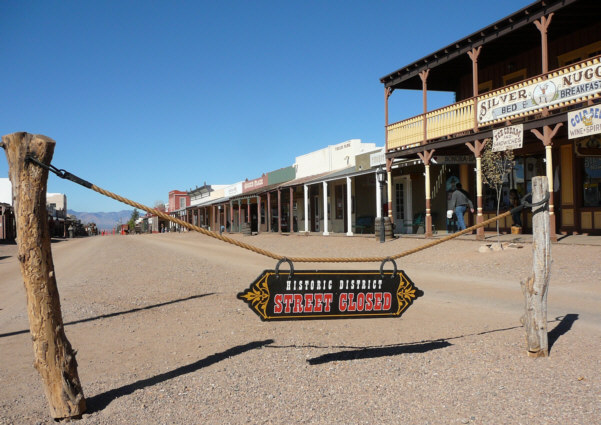
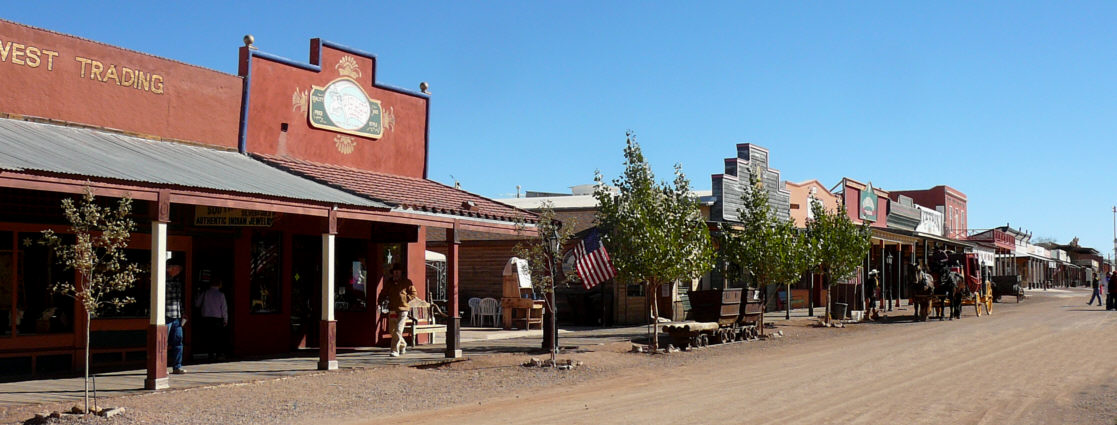
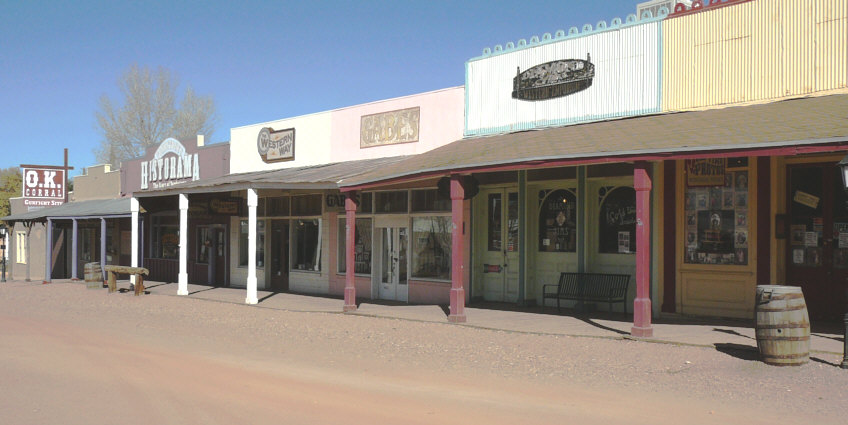
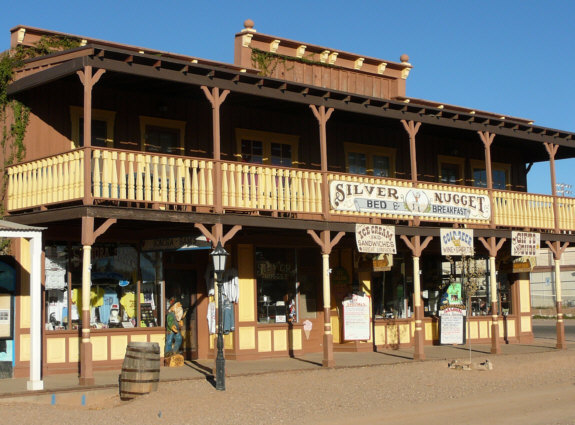
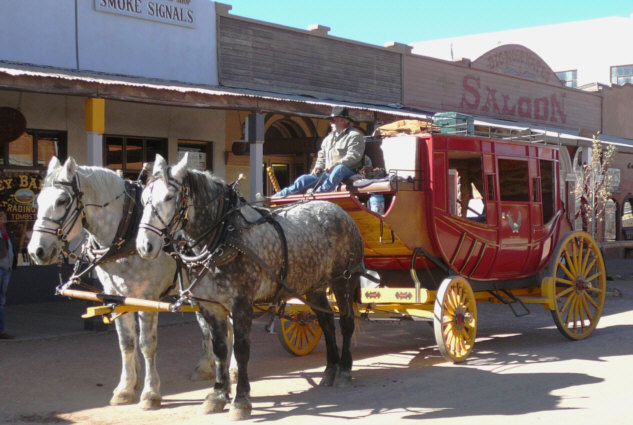
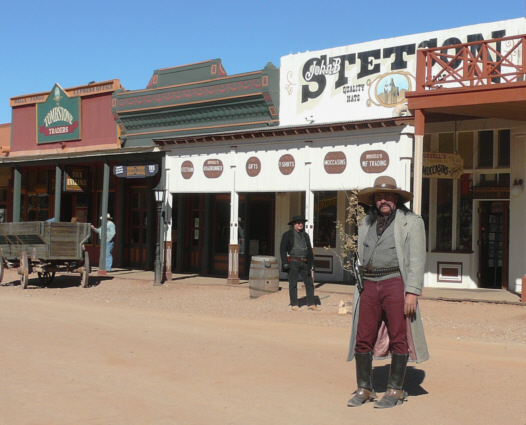
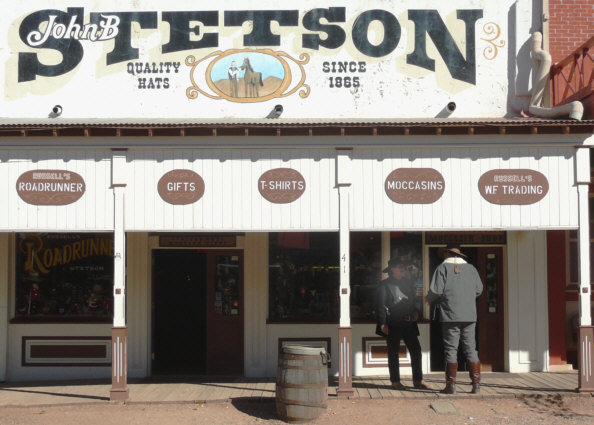
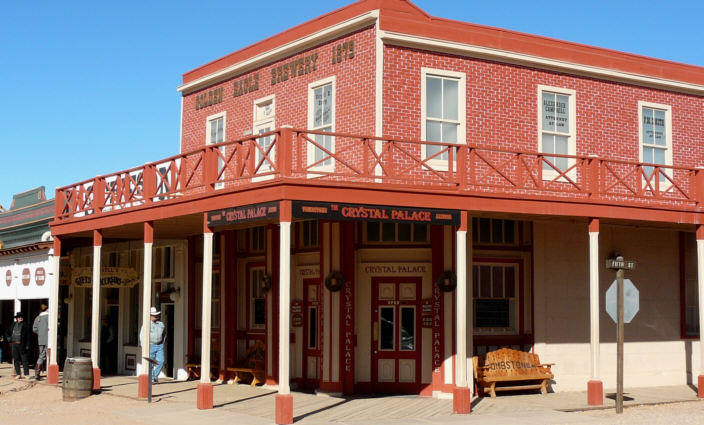
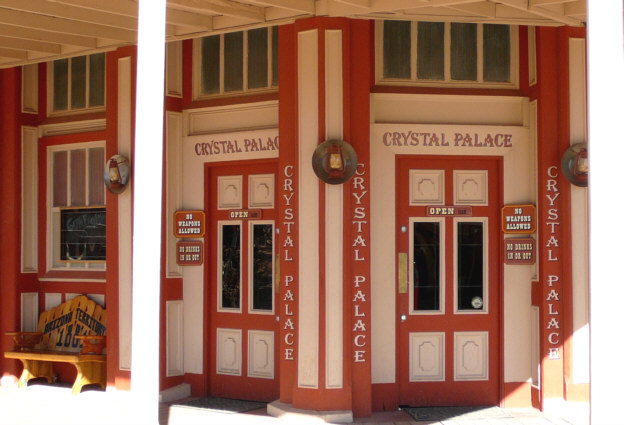
This desert town is located in southern Arizona, near the Mexican border. It was founded in 1877 by the geologist Edward L. Schieffelin, who discovered a rich silver mine here at the time.
The town got this macabre name from Schieffelin, because it was prophesied to him that he would find nothing there except his own tombstone. In its heyday, Tombstone had a population of about 15'000. Today there are only about 1'600 people left, all of whom live mainly off us tourists.
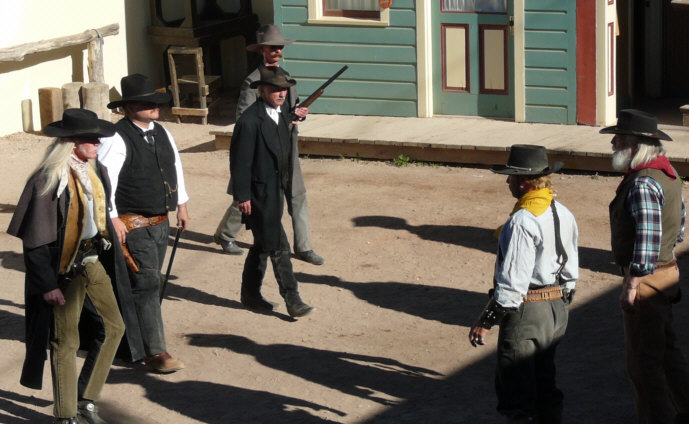
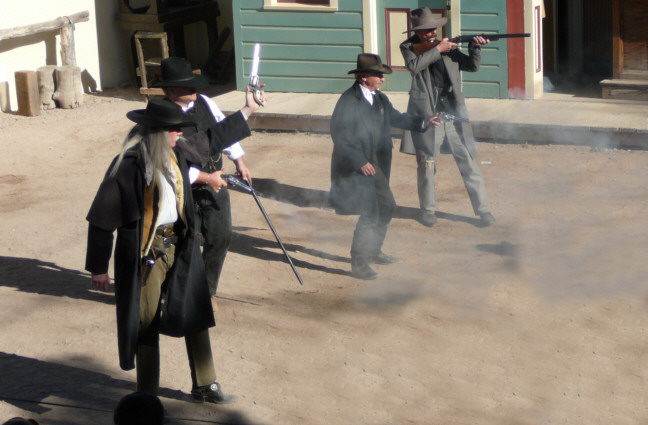
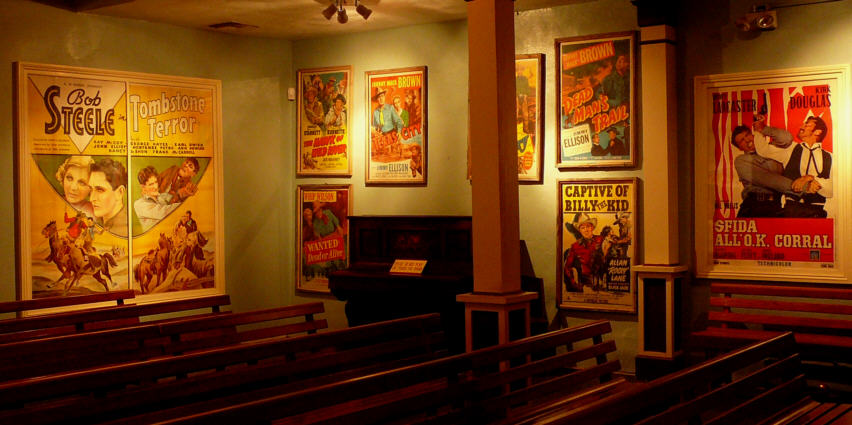
Tombstone was the scene of various "famous" gunfights around 1880. Among them was the "Gunfight at the O.K. Corral" on October 26, 1881. Those involved at the time were the Earp brothers with Doc Holliday against the Clantons and McLaurys. This scene is still performed daily today for us sightseers. However, what was presented to us was rather at the lowest level of what is barely acceptable, which was naturally strongly connected to the quality of the actors.
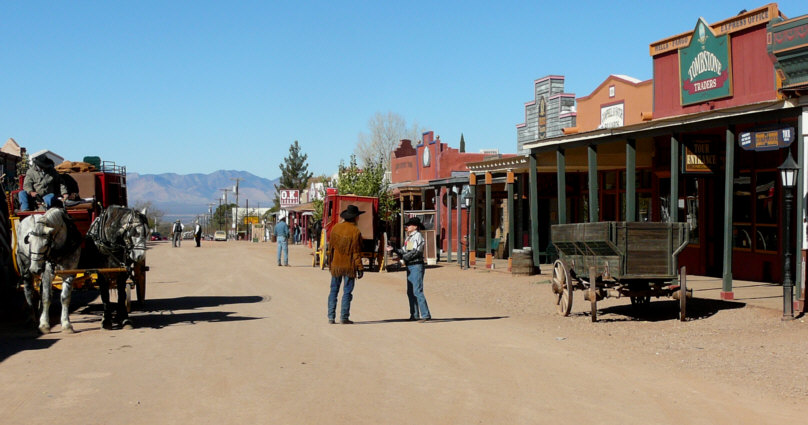
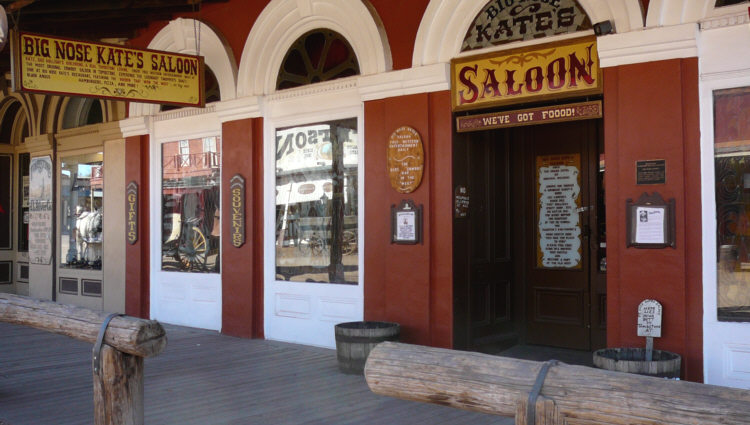
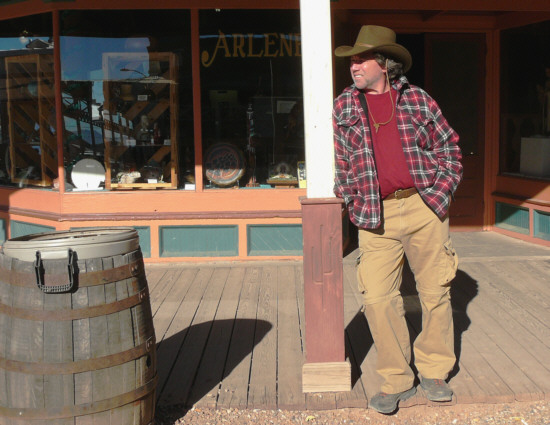
The absolute tourist attraction of the town is the traffic-free "Allen Street". Except for the stagecoaches for the tourists, nothing drives around here. Instead, we were able to encounter quite a few shady figures, naturally mostly with revolvers strapped on. The various genuinely historical and historically reconstructed saloons convey the charming flair of an old Western town today.
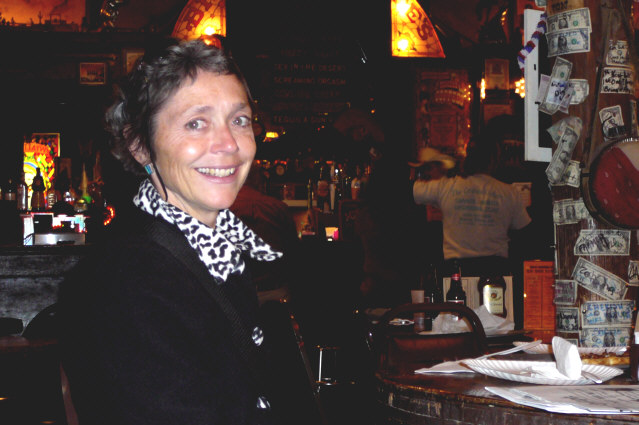
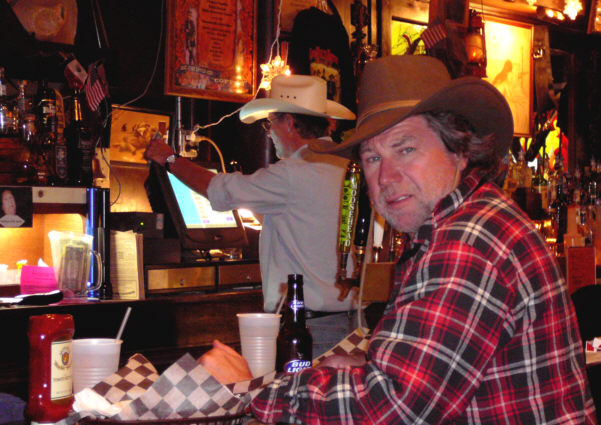
Now, of course, I found it impossible to resist ordering and drinking my glass of milk at a blood-stained counter. I slightly doubt whether the entire interior here was still genuinely old, because everything looked too perfect. But so what. Just the feeling of having stood here in the middle of the tough cowboys, in the same place as the Clanton brothers and the Earps, was well worth it and a very special experience.
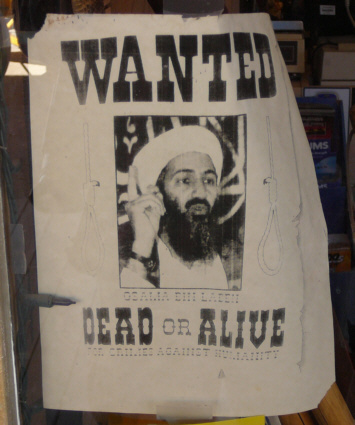
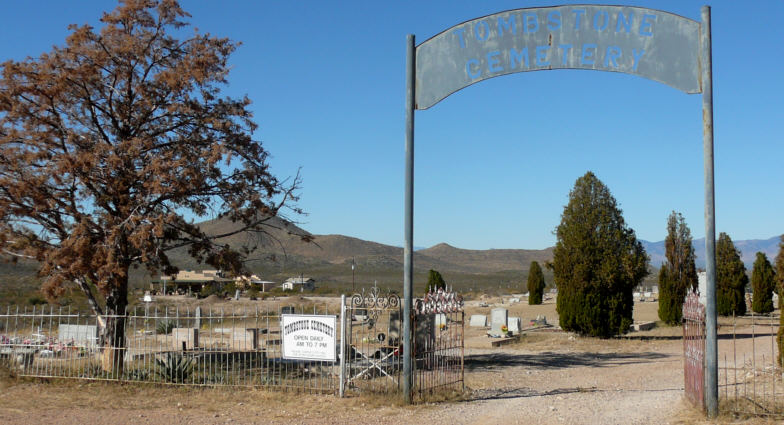
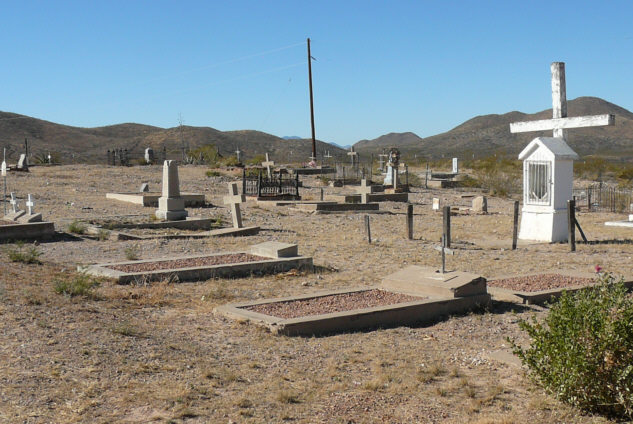
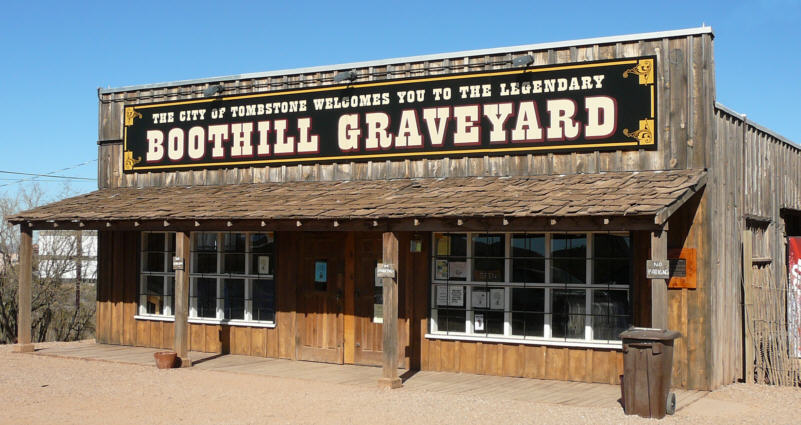
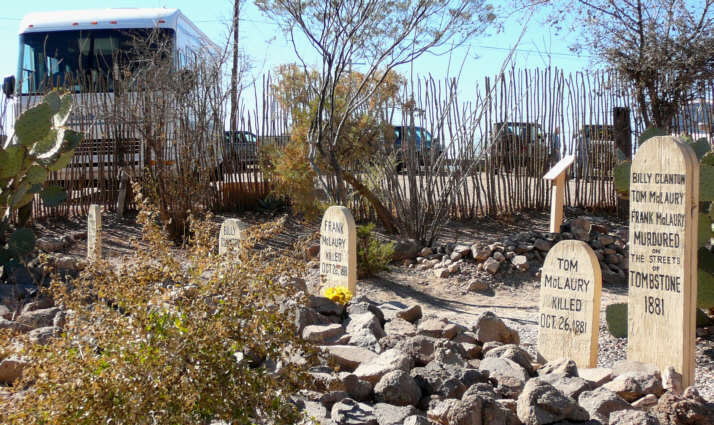
Then there is the story of Boot Hill, the cemetery. Here, tourists are taken for extremely fools and the majority of them go along with it. First, we visited the original old cemetery just outside the town. There we found the truly old and unfortunately mostly forgotten graves, most of them a bit too dilapidated, but genuine. On Boot Hill, the graves were all lined up neatly and provided with illustrious names. An impossibly kitschy and repulsive sight that presented itself to us. After two minutes we left this unnatural show cemetery, slightly disgusted, and that is putting it very politely.
Bisbee, the mining town
From Tombstone we drove only a few miles further south, but a bit further up the mountain, to finally reach Bisbee.
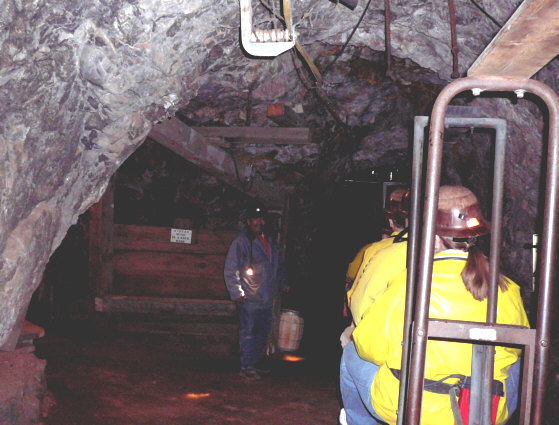
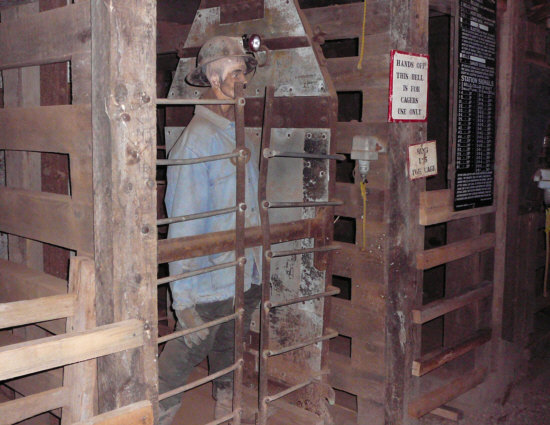
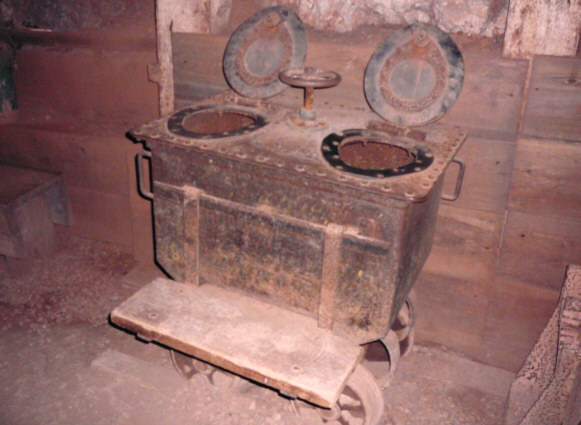
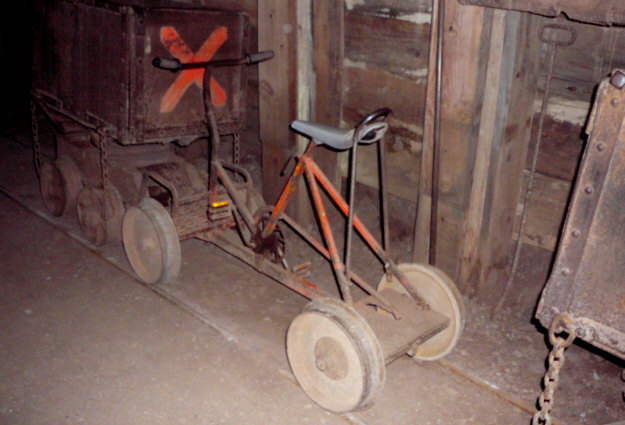
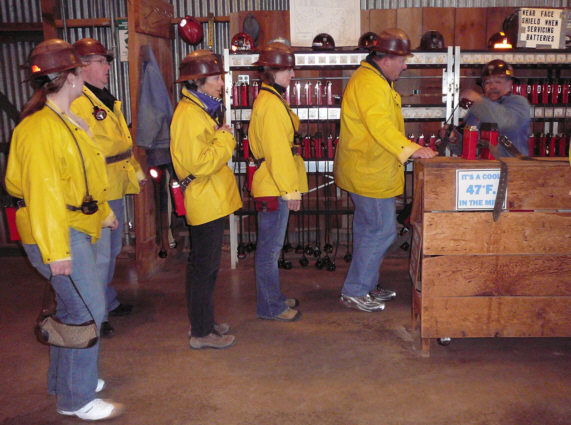
On our first walk through the town, we unfortunately noticed that this old, historic mining town has clearly passed its peak. When we left the pretty but very small main street, we found too many empty houses left to decay. The fact that there is an excessively large number of art boutiques in this small town masks the existing problems here a little bit. Most tourists actually only come here to visit the Queen Mine.
So naturally did we MOMObilists, because our clear goal was to take a tour into the interior of the earth.
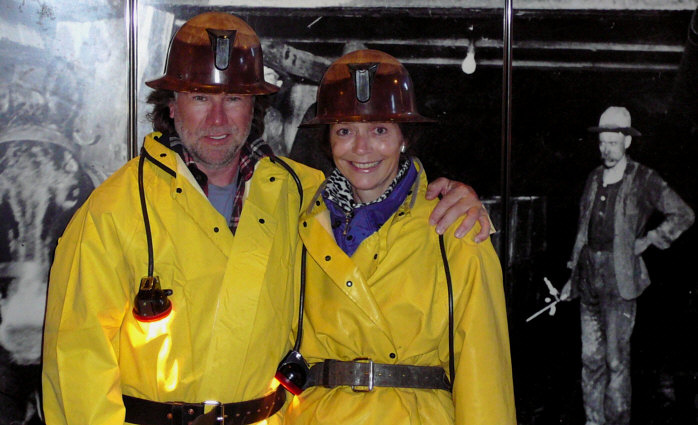
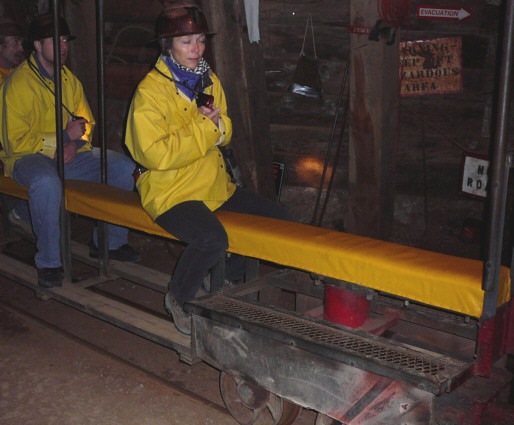
The old, creaking passenger transport cars carried us into the mine. Only one shaft is accessible to us tourists. This goes practically horizontally into the mountain. We were not allowed to explore the branches leading off to the left and right, nor the various dark descents to the lower levels.
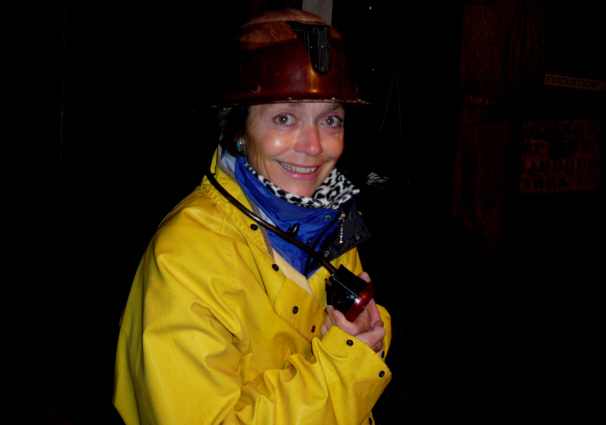
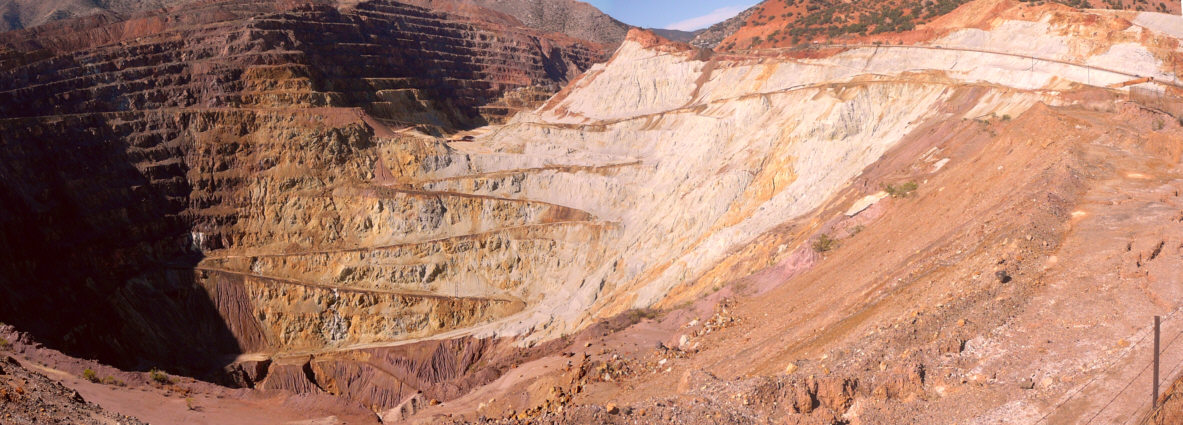
Our tour guide was an old Mexican mining veteran. He did a fantastic job explaining the harsh life of miners back then in a very vivid way to us amateurs. Of course, that was no challenge for him, because after over 30 years of personal mining experience, he was able to share quite a few stories from his life in the mines.
After the truly interesting tour, nothing really held us back in Bisbee anymore. Many thousands of people before us have said the exact same thing, because between 1910 and today the population has shrunk by half, down to a solid 5,000 residents.
White Sands National Monument
After our short stop at the mine in Bisbee, we wanted to go on some longer hikes in the Chiricahua National Monument Park. According to our guidebook, this was supposed to be a true hiking paradise. So it was just the right place for Yvonne, who had been looking forward to it very much. Unfortunately, we ran into trouble right at the entrance to the park. Even though we arrived during the absolute off-season, for the first time on our trip through the USA, we did not feel welcome. Although there were practically no visitors because of the late season, and the campground was completely empty except for five unwavering enthusiasts, we were denied overnight stays. The reason given was that there is a length restriction of 29 feet for vehicles. However, our MOMObil happens to be 30 feet long and is therefore not welcome here. Period, and no further discussions about it.
The park ranger even pulled out the tape measure and demonstrated to us, "Your MOMObil is barely 30 cm too long." Whether the campground was full or empty did not matter to her at all, "those are just the rules here at this site." We were also not allowed to stay overnight in the adjacent, completely empty, and very large car park. During the day yes, but certainly not overnight.
After all attempts at persuasion had failed, and with a certain amount of anger about such stubborn blockheads, we were forced to drive on.
Therefore, we had an unplanned overnight stop in Willcox, shortly before the border to New Mexico, and we looked forward all the more to our next destination: The White Sands National Monument.
After another day's drive on Interstate 10, we reached our overnight parking spot in the immediate vicinity of the park. Once again, we were able to make use of the hospitality of Wal-Mart, the largest and in some ways most controversial supermarket chain in the world. This giant corporation always (most of the time) provides us campers with a corner of its parking area so that we can spend the night there relatively safely. This regulation was left behind for us "gypsies" in his legacy by Sam Walton, the founder of the chain and formerly an avid camper himself.
Now the white sand was no longer far away. From afar, we could already spot the huge, snow-white dunes. However, before reaching the park entrance, we had to pass another border control. These are checkpoints similar to a border crossing. Down here in the south, you run into these quite often due to the immediate proximity to actual Mexico. You just have to endure the whole control procedure, whether you like it or not, and then you have your peace and quiet again until the next border control.
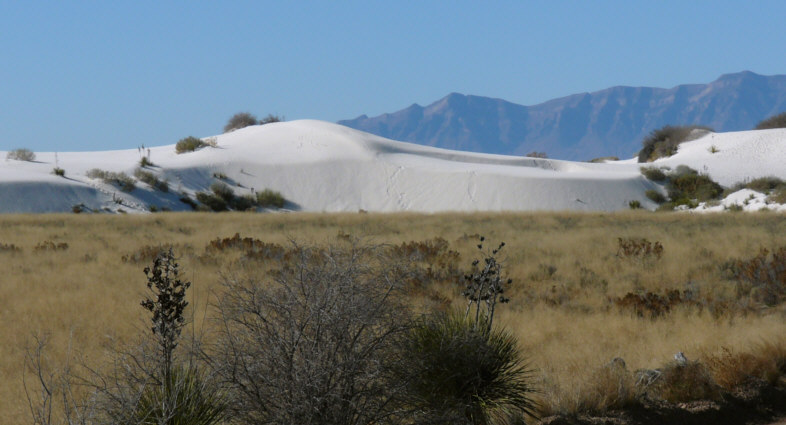
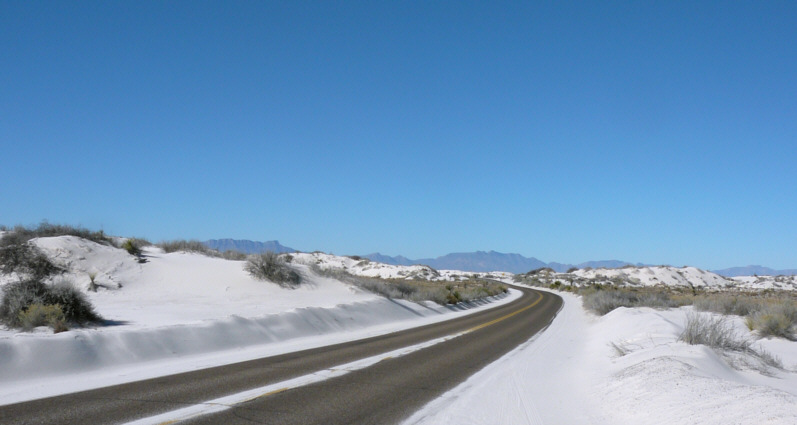
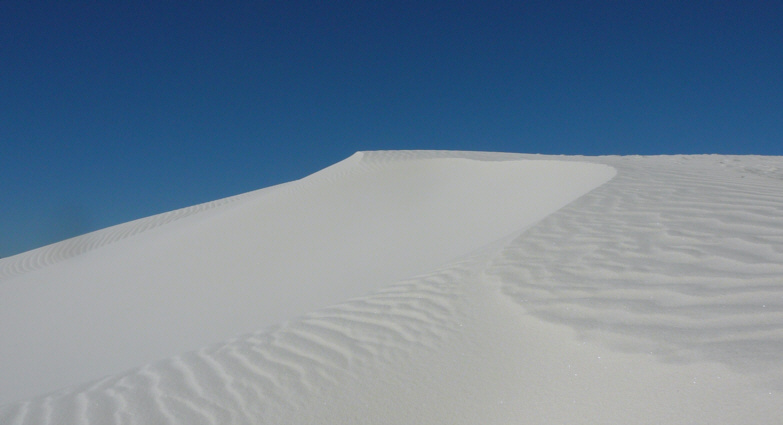
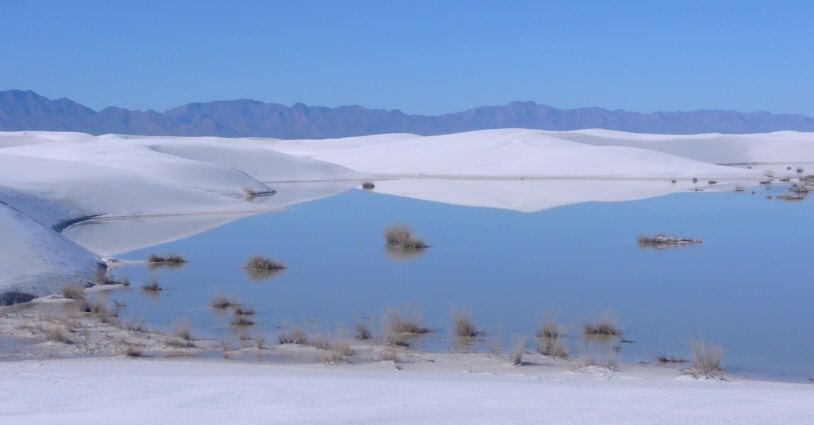
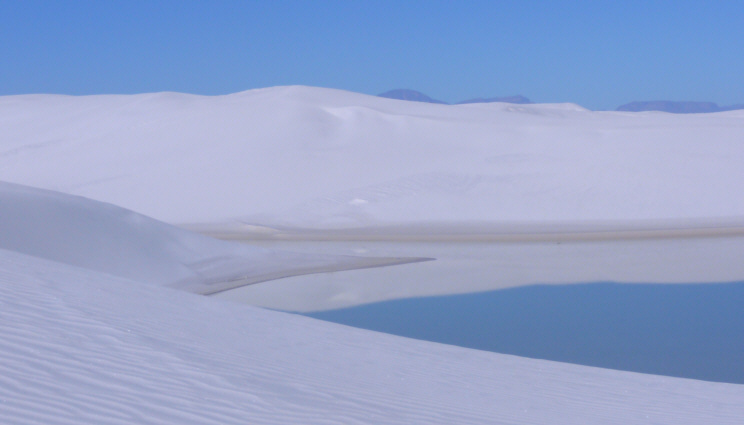
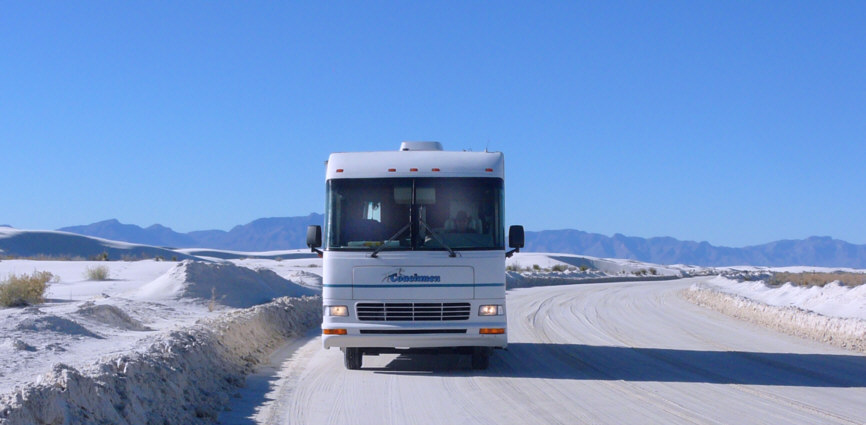
Driving into the park, we first thought it had actually snowed here. Along the roadside were large snowdrifts, similar to Switzerland when fresh snow has been plowed.
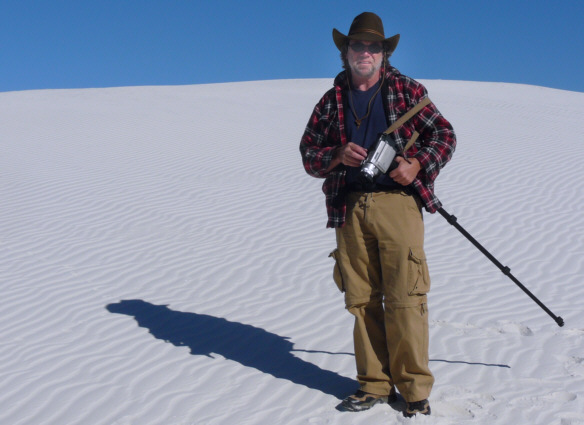
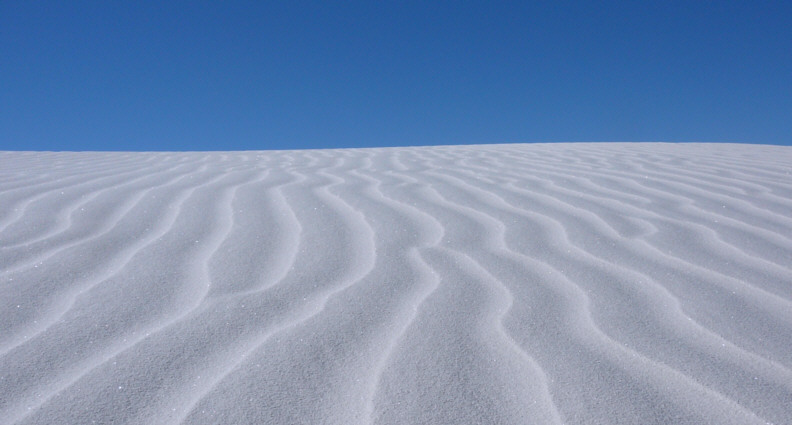
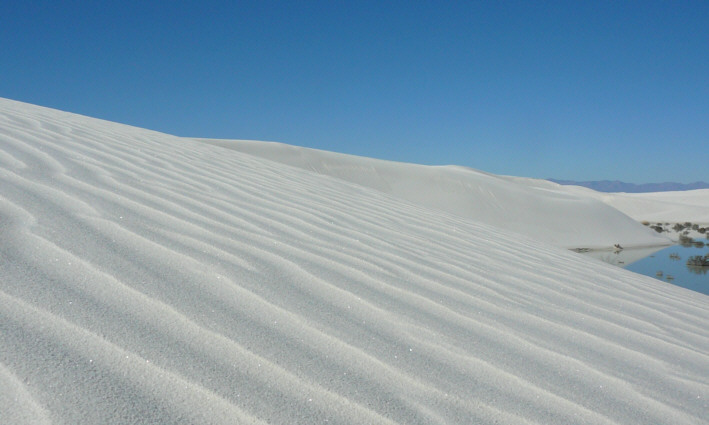
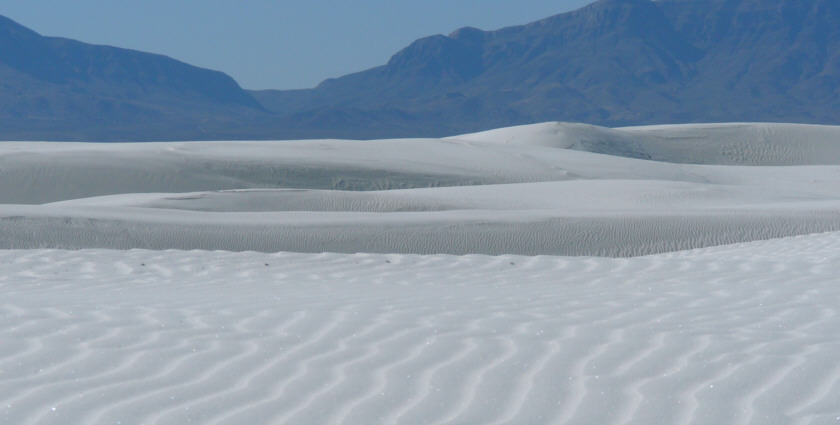
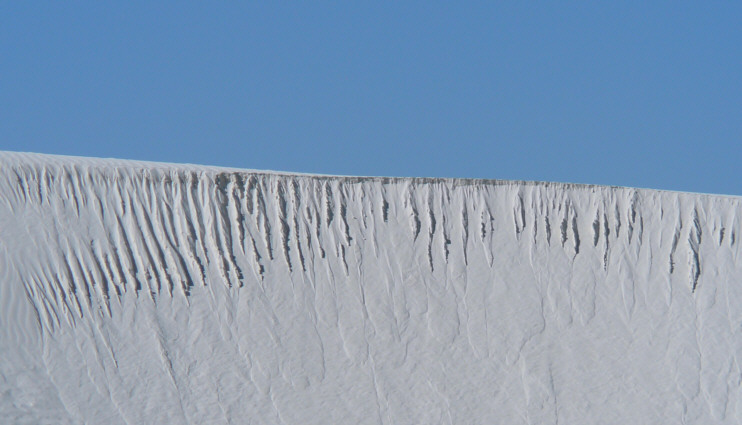
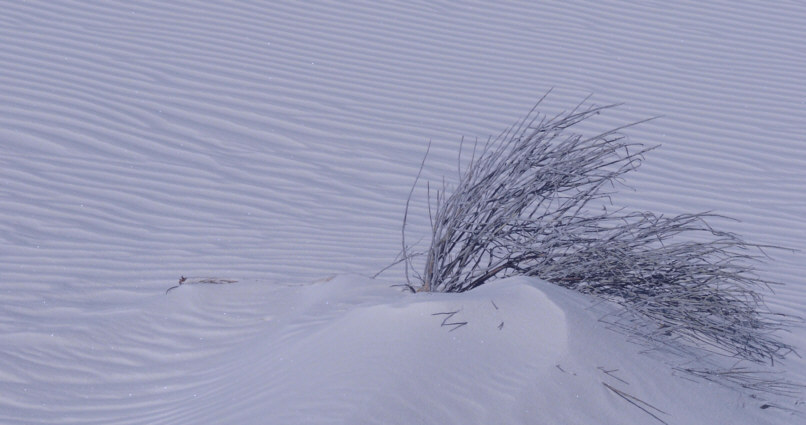
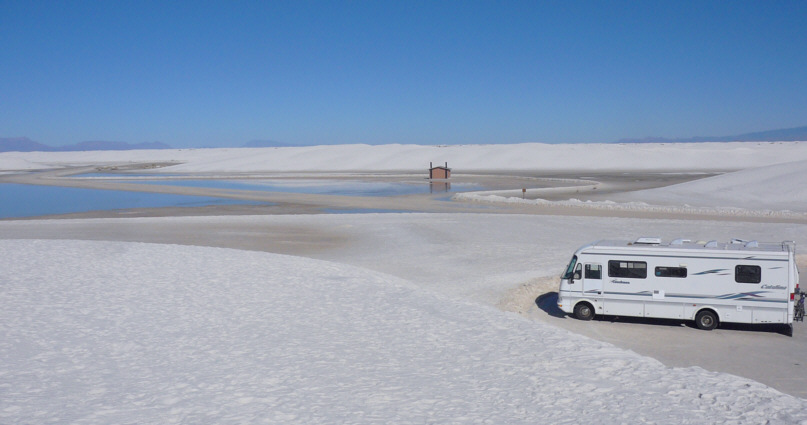
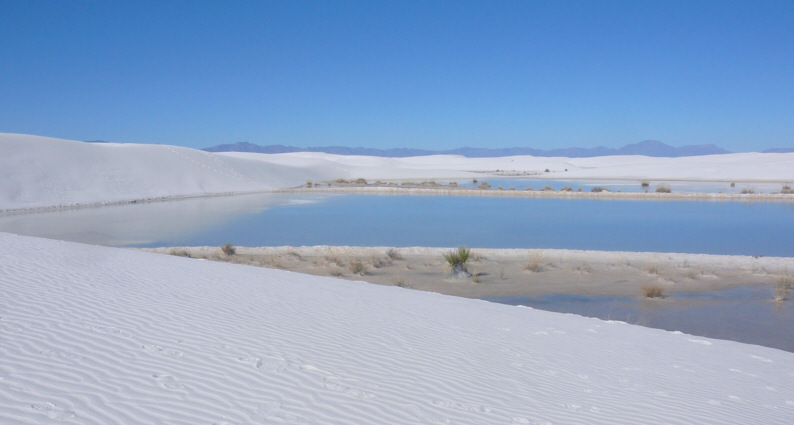
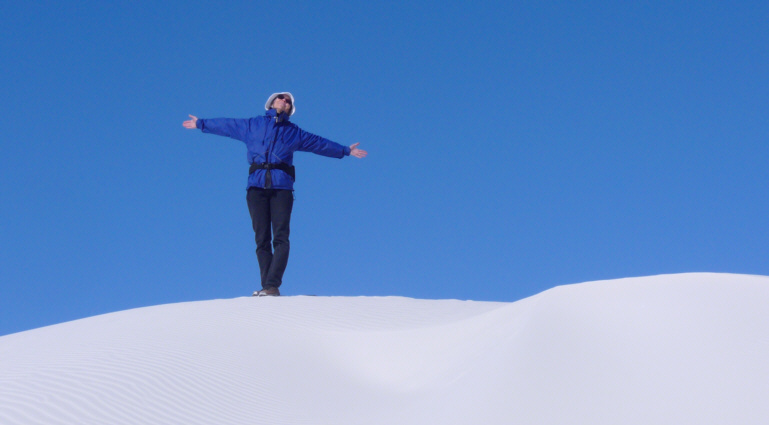
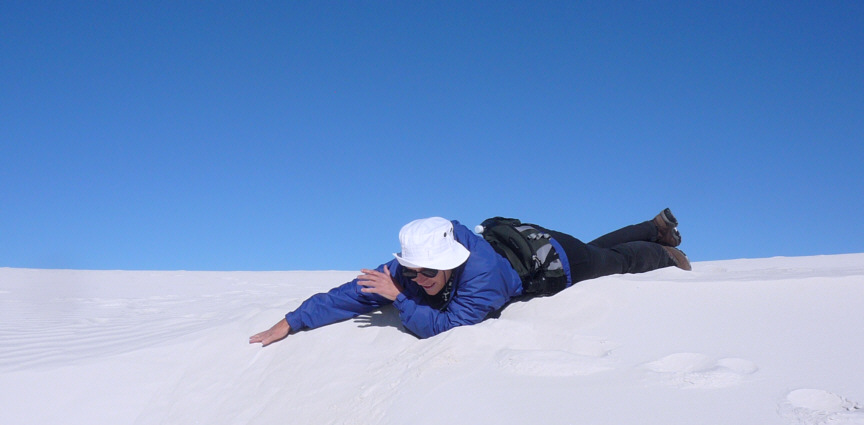
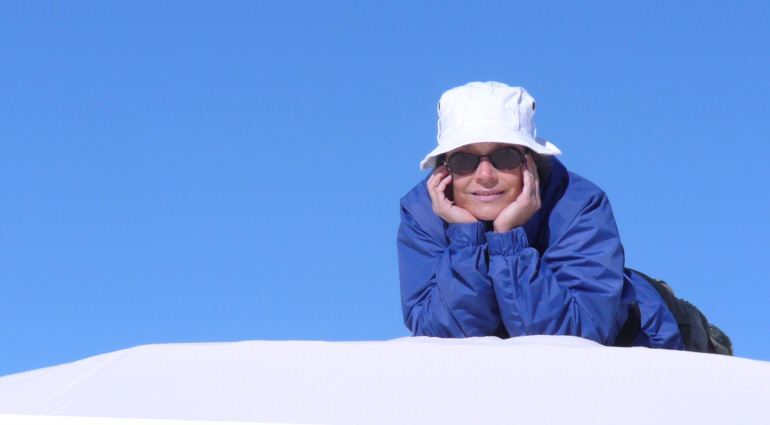
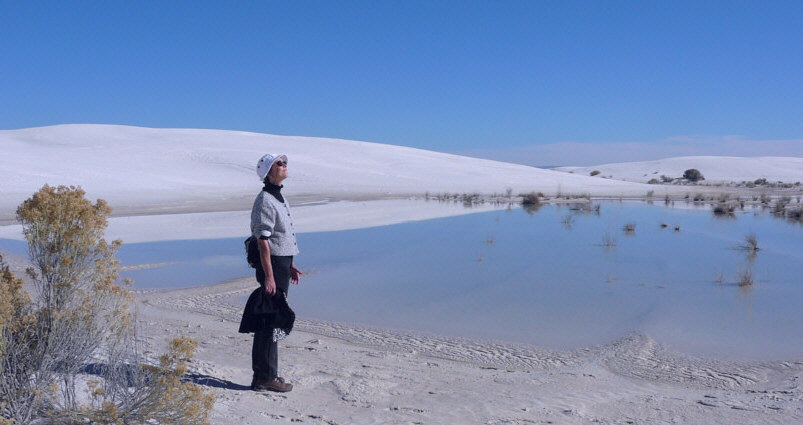
That you must pay attention to a clear blue sky for this visit is clearly visible in our photos. Only in this way do the blue and white achieve that absolutely unique color mood.
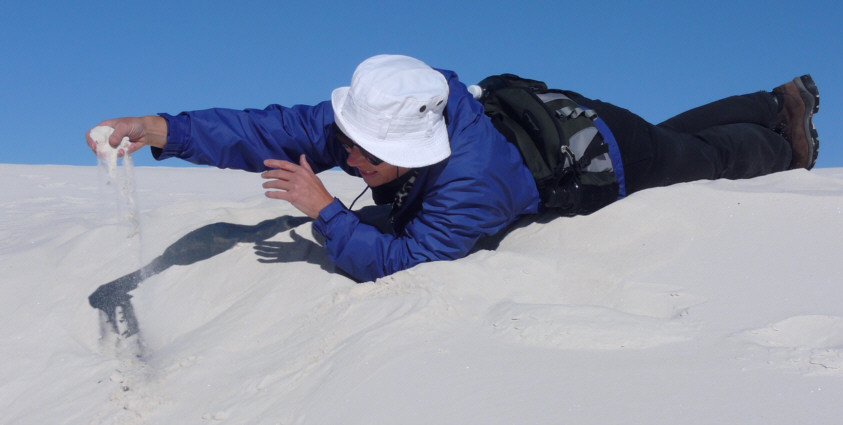
Also indescribable is walking on this sand, which is actually not ordinary sand at all. The expert and correct term here is gypsum sand. This gypsum sand once lay on the bottom of a shallow sea that covered this region 250 million years ago. Eventually, this gypsum, along with other marine deposits and enriched stone, was pushed up into a gigantic dome.
The forces of nature, cold and warmth as well as moisture and dryness, eventually broke the crystals down into small sand particles that were light enough to be carried away by the wind. These grains of sand accumulated into dunes, repeatedly colliding against the gently curved, windward side of the dune and creating small ripples on its surface. Of course, this is still happening today, and the gypsum sand builds up on the steep ridge of the dune until gravity causes it to slide down, which is how the dune slowly moves forward.
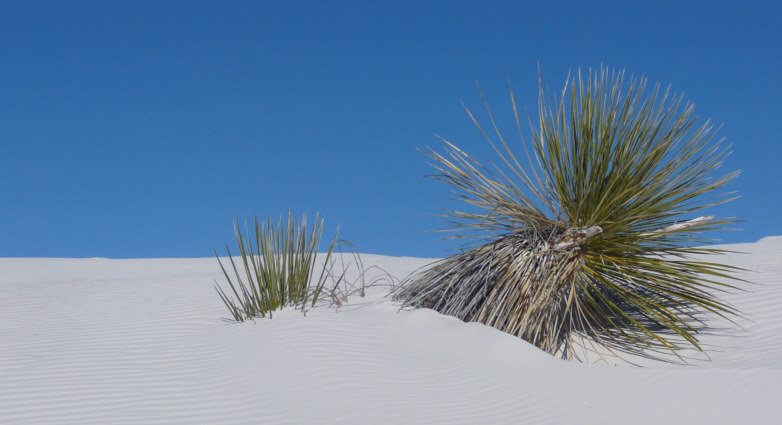
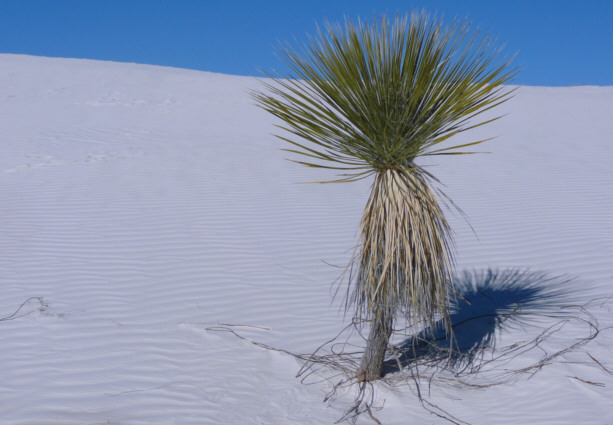
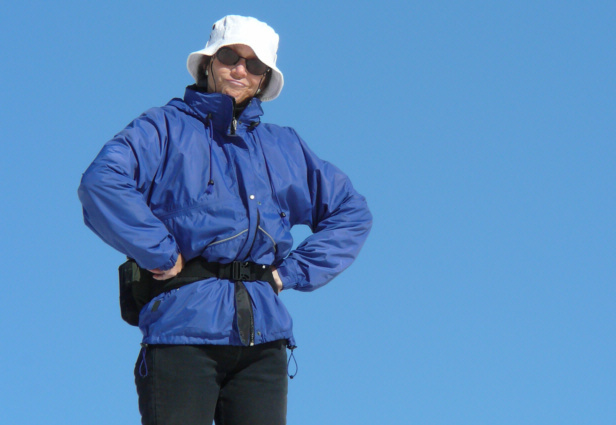
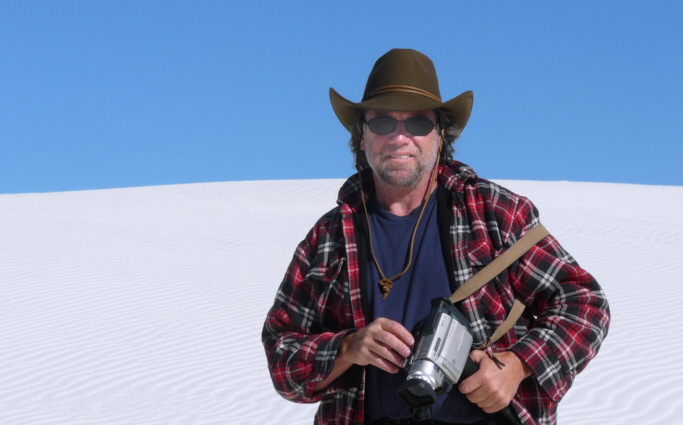
A very small number of plants has adapted here in an astonishing way, trying to prevent themselves from constantly being buried under the sand again. The tree yucca lengthens its trunk so that its leaves are always above the sand, growing in this way by up to 30 cm per year. Other plants hold a part of the dune in place with their roots and can continue to grow on the sandy pedestal anchored in this way while the dune moves on.
However, this unique park also has two disadvantages that I do not want to keep secret. The first disadvantage is that it is closed about once or twice every week for military security reasons. This means whenever missile tests are carried out in the White Sands Missile Range surrounding the park. Likewise also if a space shuttle had to make an emergency landing here upon its return from space. The second disadvantage is that it offers absolutely no overnight accommodation itself. On the other hand, that is actually a good thing again, because it forced us to drive on. This fantastic blue and white color combination will certainly stay in our memory for a long time.
Oliver Lee Memorial State Park
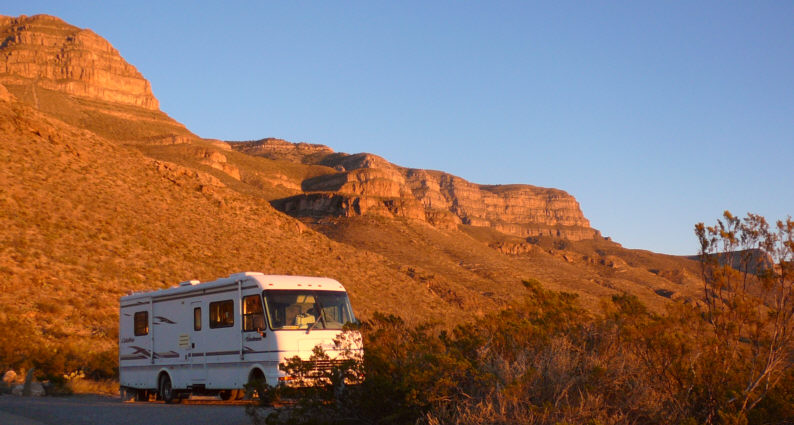
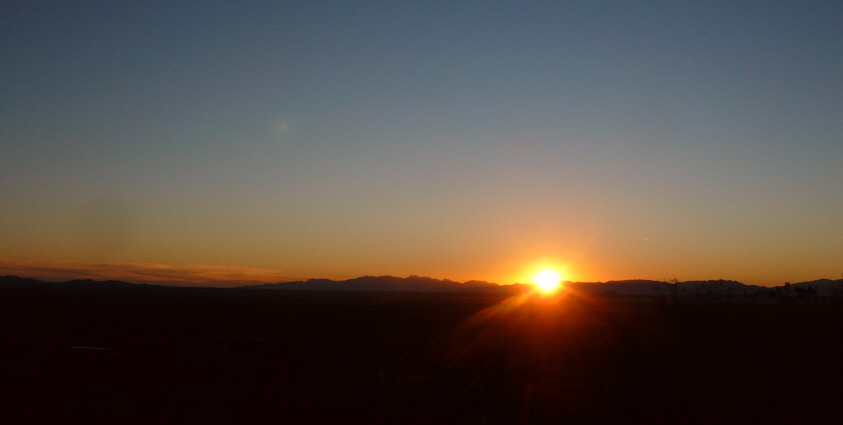
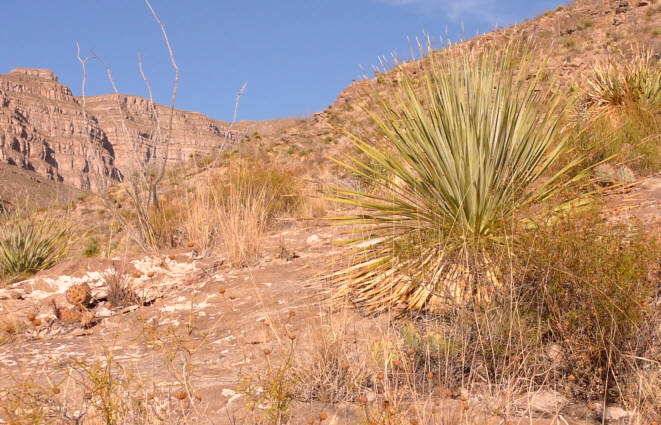
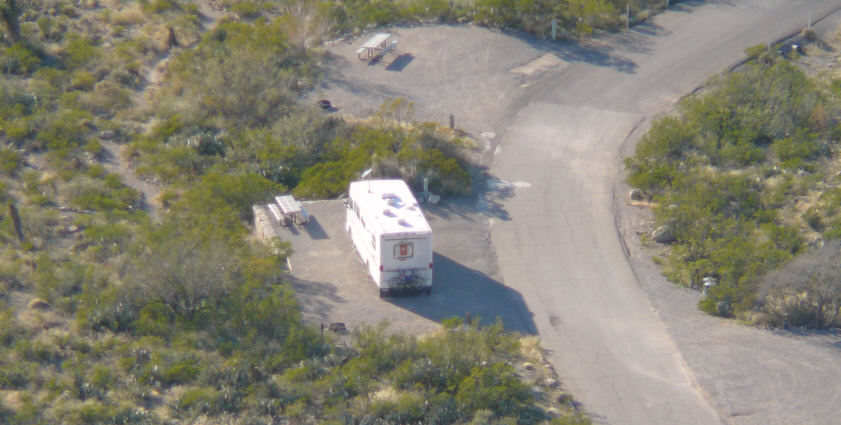
The nearest overnight accommodation after visiting White Sands National Monument was available to us at Oliver Lee Memorial State Park. In this somewhat remote park, we had a great opportunity to let the unforgettable impressions pass before our inner eye once again and in complete peace.
Despite the increasingly cold nights, we enjoyed the peaceful quiet of this place and the hikes in the mountains rising directly next door. Yvonne finally got her desired extended hiking tours after all. These boosted her already very good state of mind to even higher levels, which I was then able to benefit from....
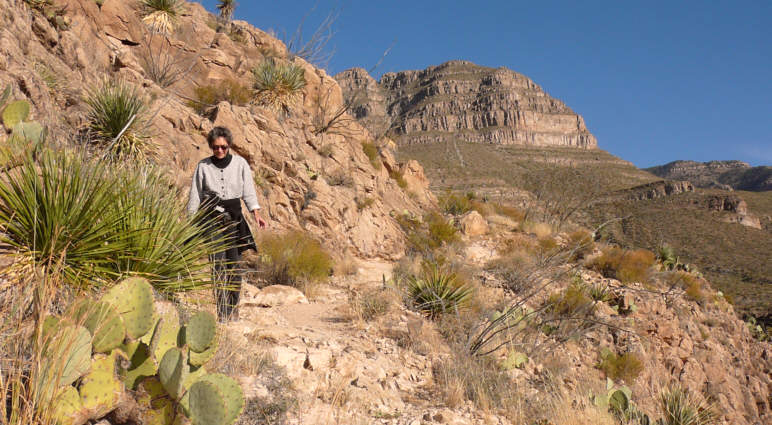
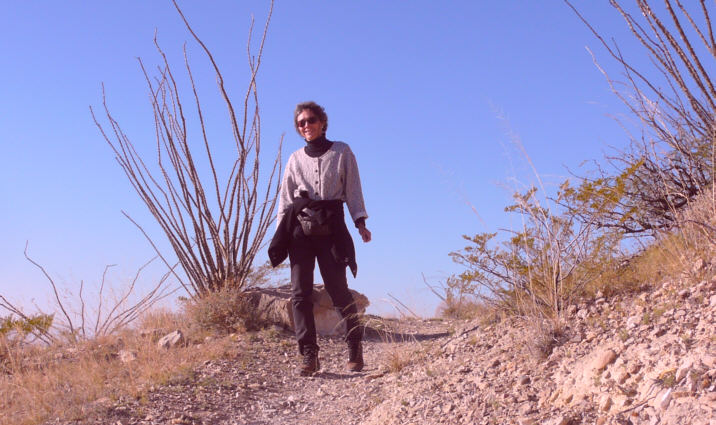
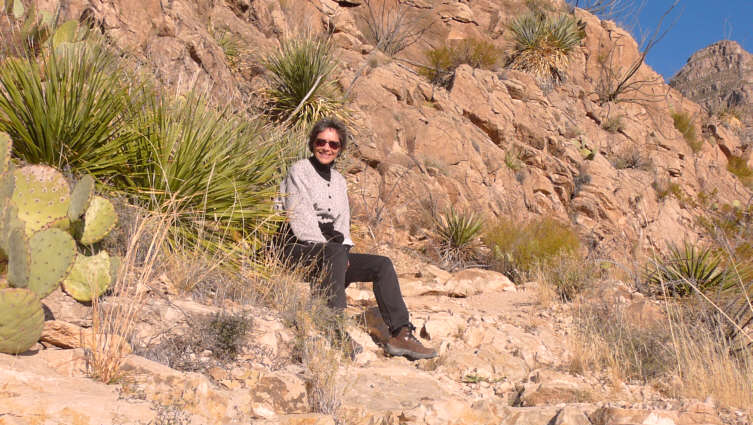
Texas says howdy to us.
A few days earlier we had definitely decided to spend Christmas and the first days of the new year in the capital of Texas. After we had reserved the campground in Austin that was best suited for us from New Mexico, we crossed the border into Texas. This happened in the history-rich city of El Paso. Since an unpleasant cold front was unfortunately forecast again, we decided not to stop here after all. Thus, we immediately tackled the remaining approximately 650 miles to our holiday campground.
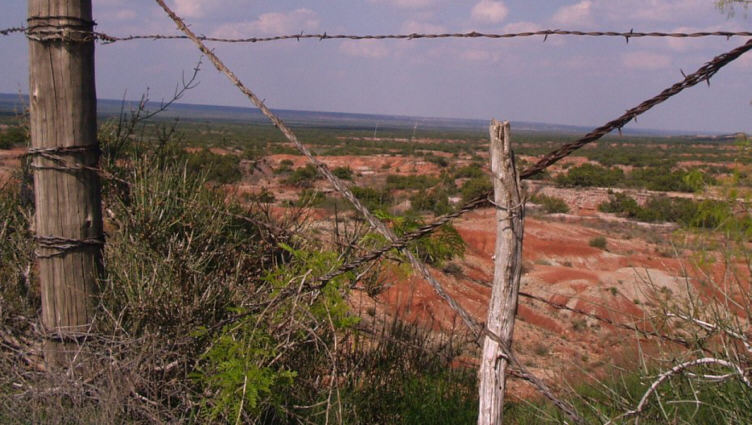
The route through the vast west of Texas led us mostly through a rather monotonous prairie landscape and seemed as if it would never end. Here we got a first small glimpse of the old Wild West and its almost infinite size.
It is not for nothing that they say: Texas is a different dimension.
I will now try to bring you a little closer to some characteristics and the immense area of this special state in the United States with a few brief details.
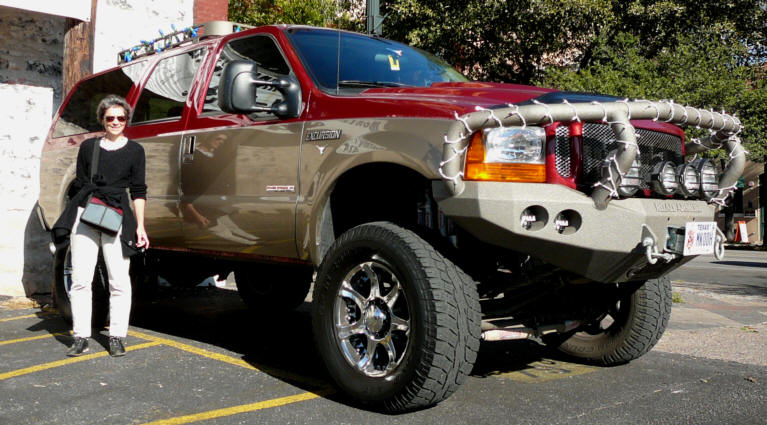
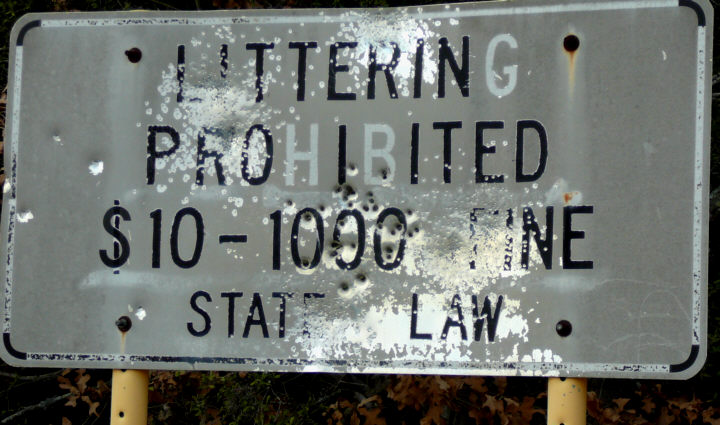
Texas is also known as The Lone Star State and is a state in the south-central region of the USA. It has the second-largest area of all states (after Alaska) and also the second-largest population, following California. In terms of area, Texas is twice as large as Germany, or as France and Great Britain combined. The area of Switzerland would fit into it 17 times. If Texas were still independent today, it would rank among the 40 largest nations on Earth in terms of area.
Throughout the south and west, very large amounts of crude oil were extracted until the early 1980s.
Texas is also home to ranches, the largest of which are bigger than German federal states or Swiss cantons. It goes without saying that these farmers must use airplanes to visit their neighbors. For some huge cattle herds, even private railway lines were built, and there is an unbelievable amount of money here due to the oil present and in some cases still flowing. Unfortunately, as you might expect, this wealth is distributed among only a few families and companies.
Texas is also rich in rivers, even though only very few are navigable year-round. The Red River separates the Lone Star State from Oklahoma and Arkansas, the Sabine from Louisiana, and the Rio Grande from Mexico. The climate is considered very healthy compared to the other southern states of the USA.
The cowboy mentality is still as widespread here as the cowboy hat, of which it is said that a true Texan does not take it off even in a restaurant. Texans are extremely proud, and the Texan accent is so distinct that you can tell immediately when someone is from Texas. This special dialect therefore made communication with the locals a little difficult for us.
The upcoming Texas problems of the future are primarily the depletion of oil reserves and the rapidly increasing water shortage in the west of the state.
In Texas, many things are neither better nor worse, simply different. Austin, the capital of Texas
With its population of approx. 700,000, it is the fourth-largest city in the US state of Texas. According to its own claims, which could be read in our guidebook, it is supposed to be the Live Music Capital of the World. More live bands are said to perform here than in Nashville, Memphis, Los Angeles, Las Vegas, or New York, for example. I find this a bit boastful, but after all, we are in Texas here. There are certainly plenty of music pubs in the downtown area, but whether that justifies this title remains to be seen, perhaps in the Lone Star.
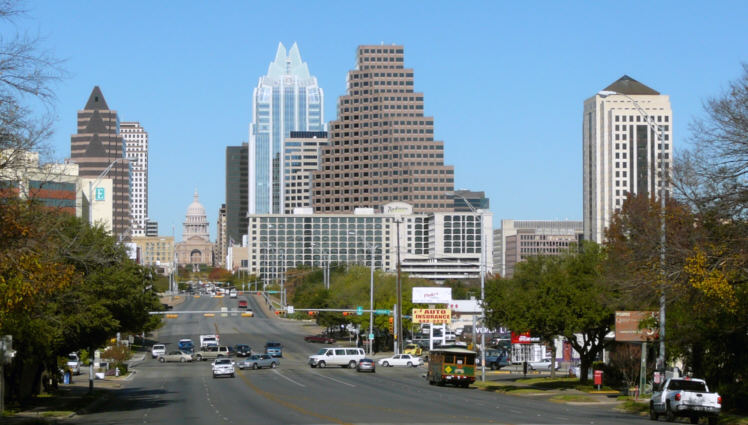
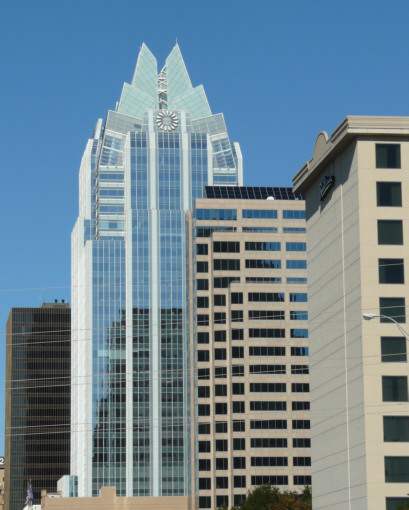
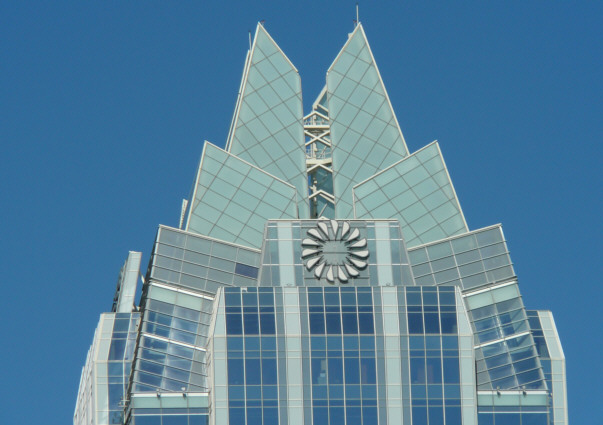
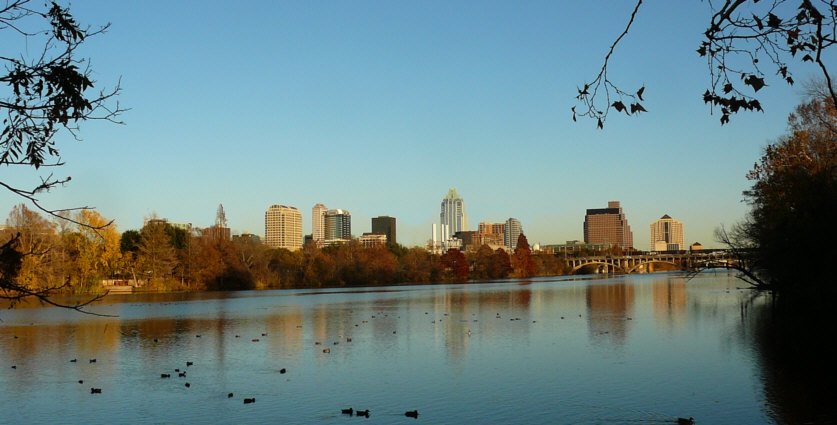
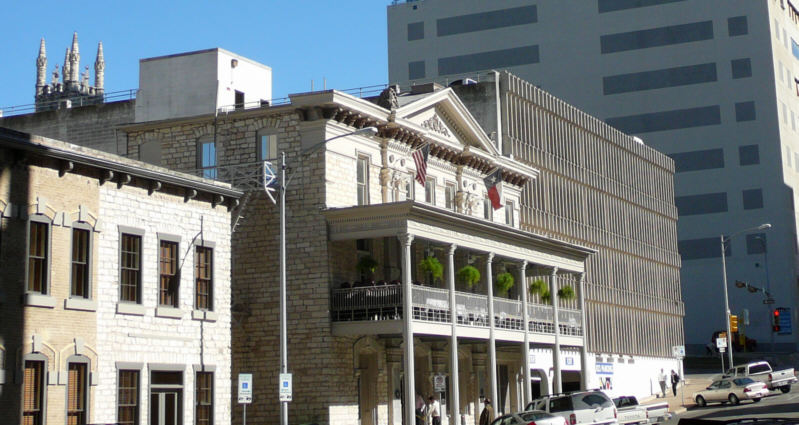
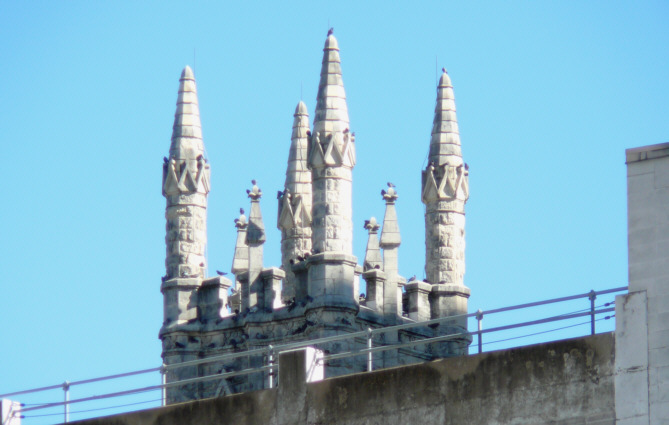
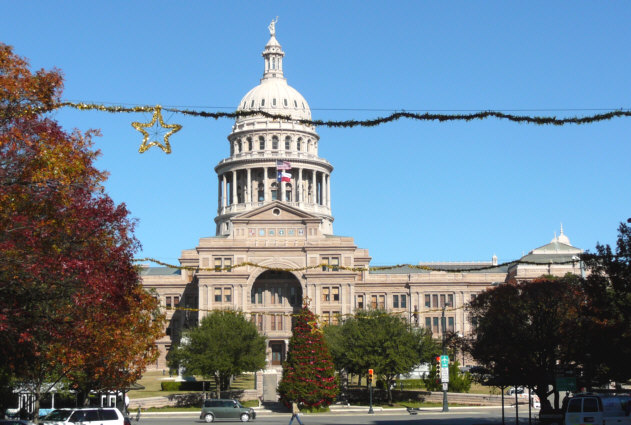
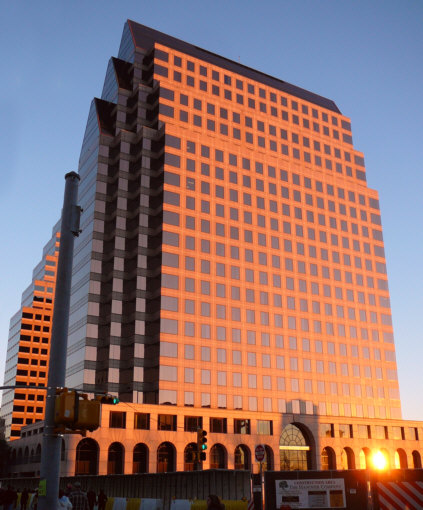
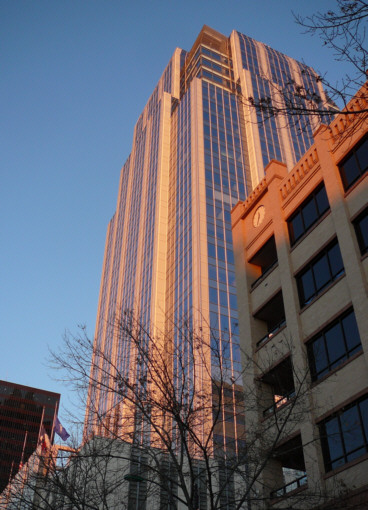
We set up our quarters at the neat and quiet Oak Forest Campground and booked the site for a full month right away.
The next day, we explored downtown Austin for the first time. To do this, we took the public bus, as we would do again and again later on. The stop was located about a 20-minute walk from our site. The fact that the bus route first led through a relatively run-down neighborhood was also apparent in most of the fellow passengers. Most of the time, we were the only white people and some of the few who were not missing any teeth. In South America, such situations had always been completely trouble-free and normal for us. But here in Texas, and I realized this with a shock, it was slightly different. As would unfortunately turn out later, my first impression was brutally confirmed after all.
The various sights of Austin are located so close together that you can reach them all on foot, which is a real specialty for an American city. The Dillo runs through the heart of the city. Another special feature, as this is a free bus system covering the entire downtown area.
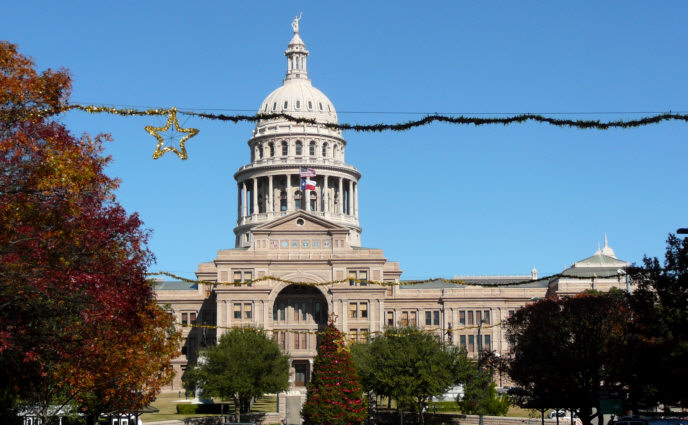
One of the main attractions is the Capitol, located on a hill. Because in Texas, as already mentioned, everything is a bit bigger, longer, or wider than elsewhere, this parliament building towers over the much better-known Capitol in the federal capital of Washington D.C. by 2.10 meters.
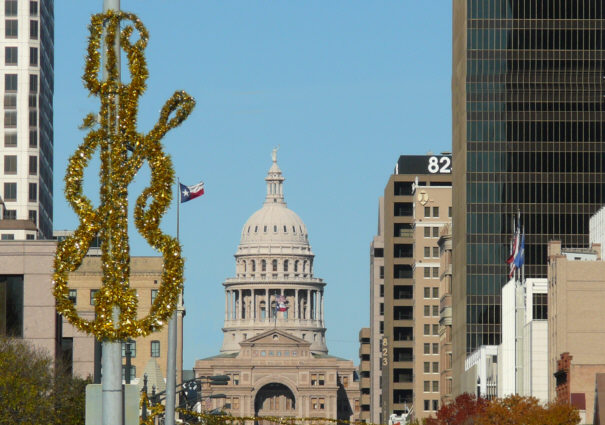
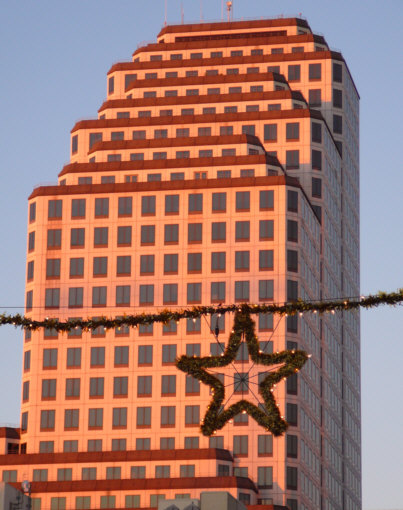
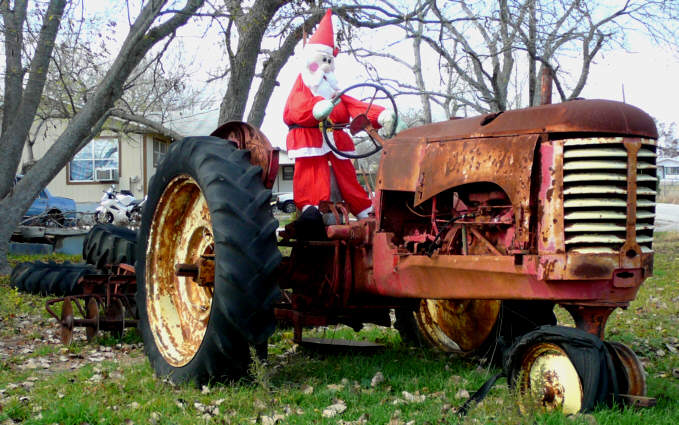
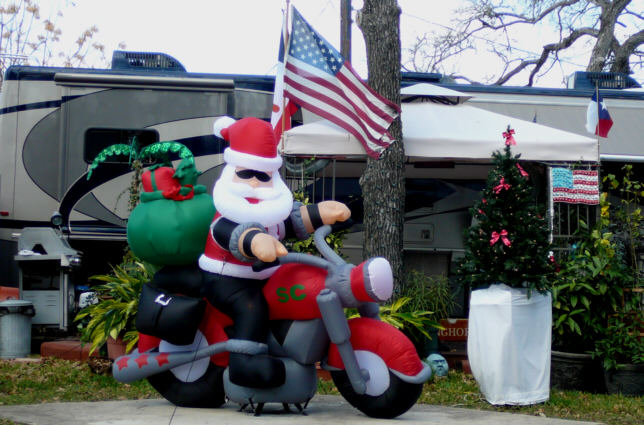
We were very excited about the city's Christmas lighting. In advance, we had our own ideas about American Christmas glitter and were then bitterly disappointed. The official Christmas decoration consisted of a few stars and string lights, and that was it. Only in the outer neighborhoods did it look different. There, individual houses tried to outdo each other with masses of lights and decorated objects.
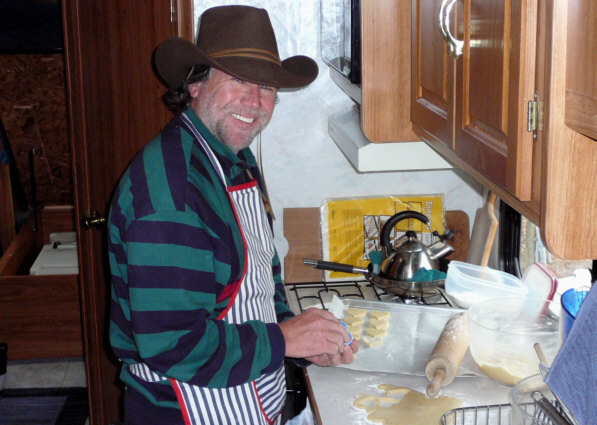
On board we had quite a peaceful Christmas celebration again this year. Since we haven't participated in the stress of gift-giving for many years, there was no hectic rush at all.
Of course, that's not entirely true. At noon on Christmas Eve, I suddenly had an immense craving for Christmas cookies. But since I don't like the American ones at all and Yvonne, for once, wasn't willing to satisfy my "craving," I had to head into the kitchen myself. No sooner said than done. With the supplies available on board, I unfortunately couldn't make a large selection, and yet there were still some very tasty cookies. Unfortunately, after a very short time, they were simply gone ... and it's still a mystery to me today where they went.
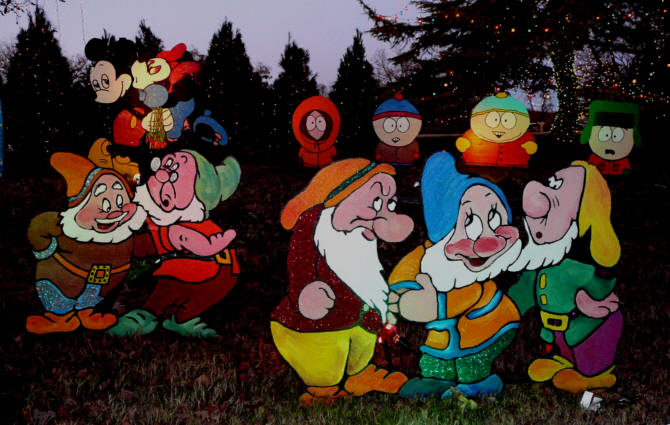
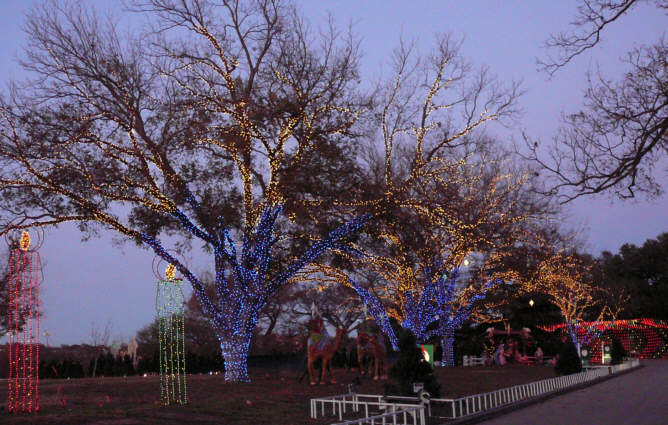
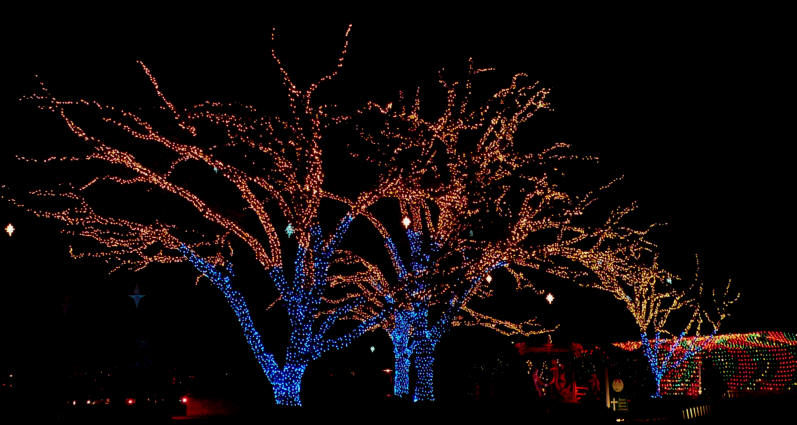
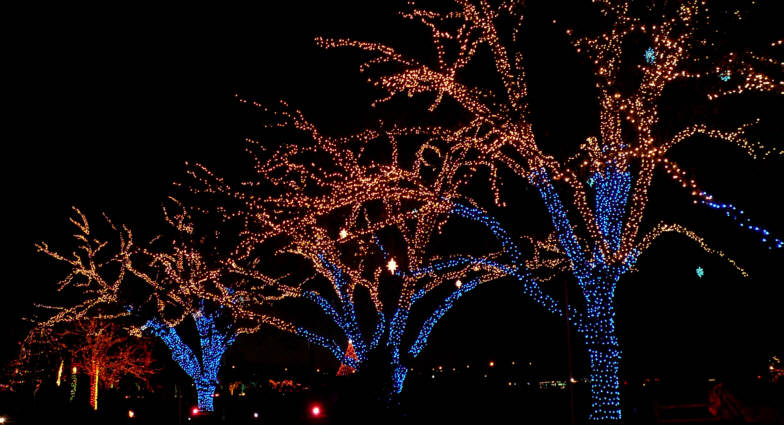
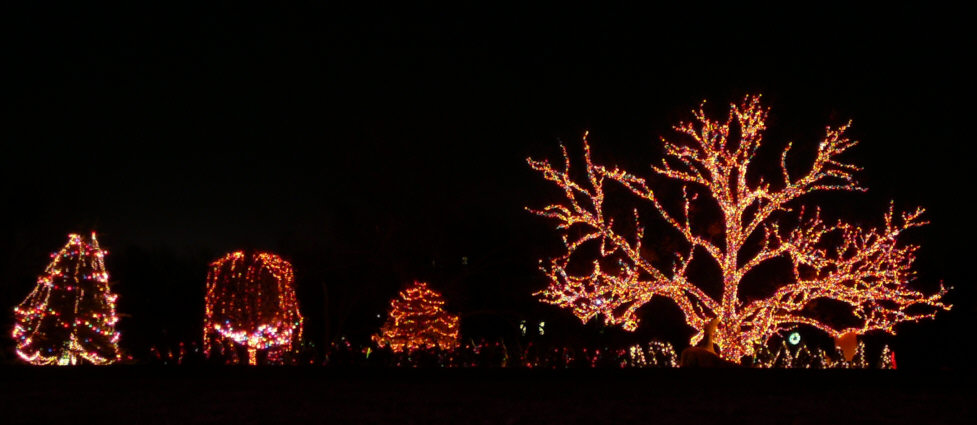
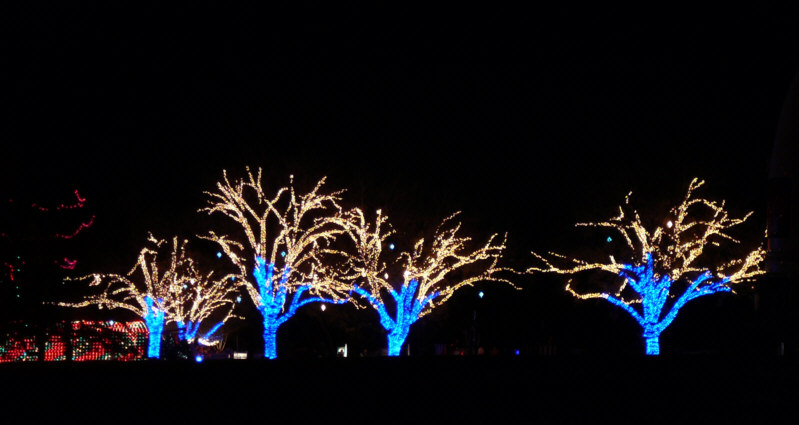
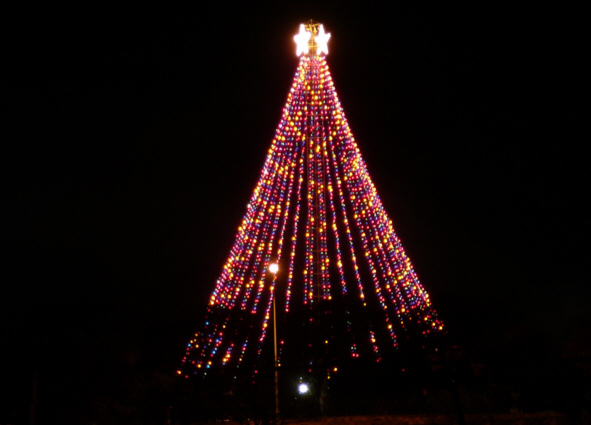
A little outside the city center, there was also the "Trail of light". This is a park walking trail about 3 kilometers long, decorated by various companies, always during the last three weeks before Weihnachten.
Some of the work is very nicely designed, but in the end, it is all meant as self-promotion for the paying companies. In the adjacent photos, I am therefore showing you only a few trees that I think are originally illuminated.
First Night Austin
Here in Austin they didn't celebrate New Year's Eve, or the last night of the old year, no, the city celebrated the "First Night" of the new year. This already started in the early afternoon in the city center, which was closed to cars. A wide variety of activities, music and dance events, and much more were offered free of charge. Shortly before dark, there was also a street parade. Here various organizations and clubs could present themselves to the public. As is usual in the USA, various companies were also involved in the parade to advertise themselves. It felt a bit like watching an American TV channel and having the movie interrupted by a commercial every few minutes.
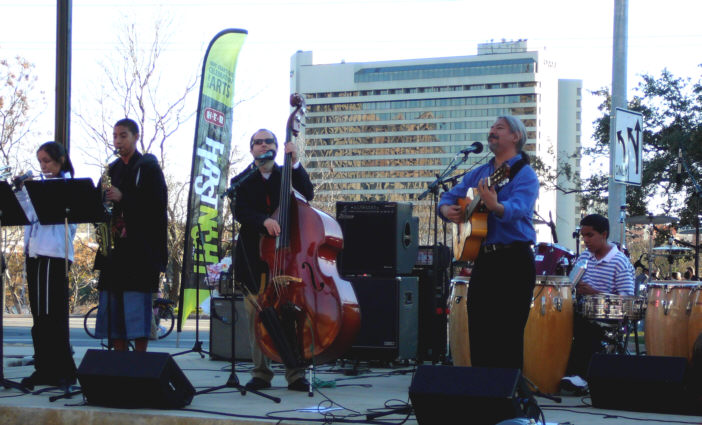
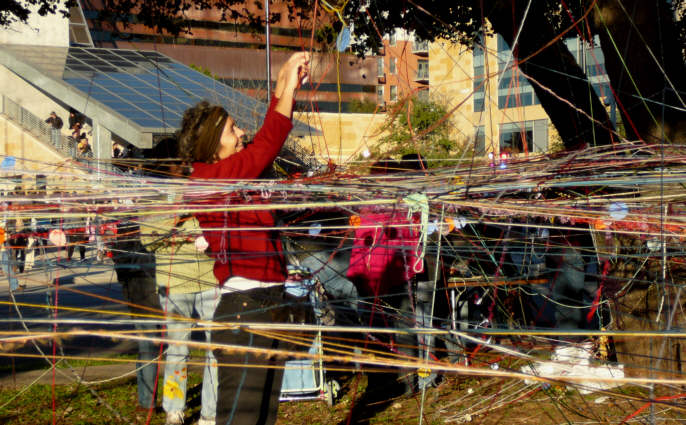
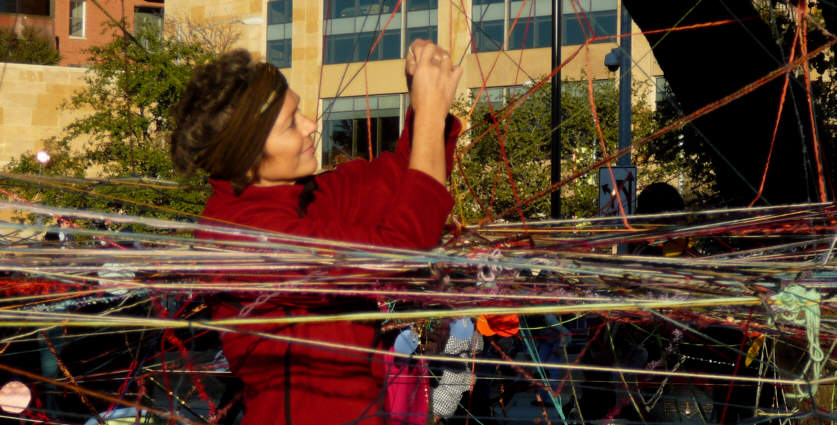
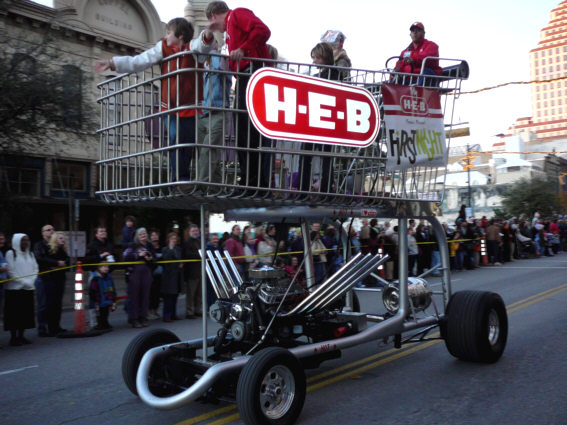
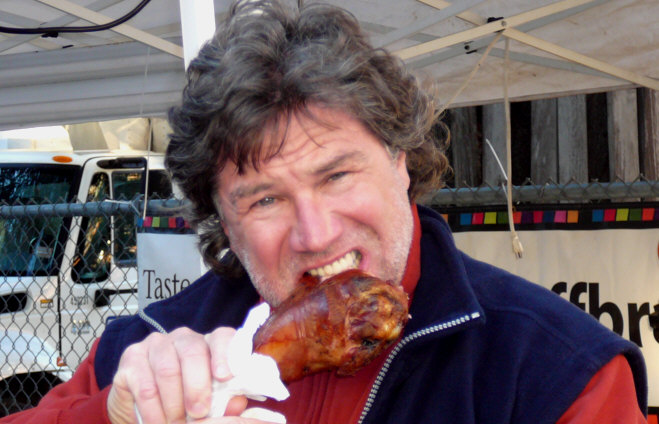
In the course of the early evening, Sonya and Ingo joined us and the four of us strolled through the city center. We let ourselves be thrilled by the various musical performances and enjoyed the evening together.
Just a small side note on that. No alcohol could be sold or drunk in public places during the entire New Year's celebration. Therefore, we did not see a single rioter or drunk person on the streets that evening.
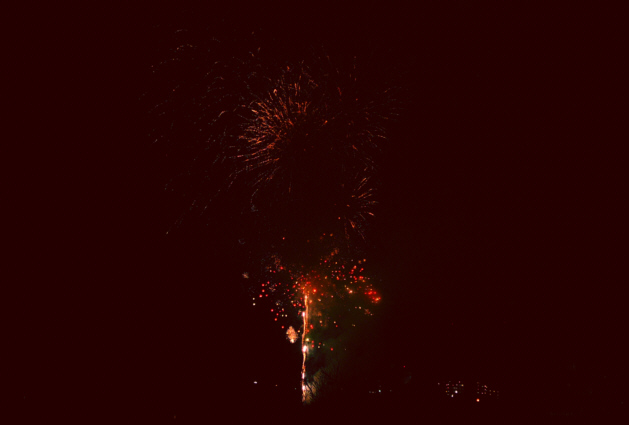
At the stroke of midnight, the city offered the traditional fireworks display. Before that, however, there was no romantic winding down of the old year, no, the fireworks were simply launched and then the New Year began. No bell chimes, no popping of champagne bottles, and no clinking of sparkling wine glasses. That is also Texas, "The Lone Star State".
The event was called "First Night in Austin". So we were curious to see what would follow after the 30-minute fireworks display. Whether people would now dance in the street in the first night of the year 2007, or what else would be tradition here now.
To be honest, it took a while until even we understood ... that was it. All the people, as if guided by an invisible hand, simply walked away. Some went to the discos, where endless queues formed outside, and others apparently went straight home. We belonged to the second category and were very glad that Sonya and Ingo drove us back to the campground in their large truck.