
Venezuela
"El Morro", the other Venezuela, and La Blanquilla
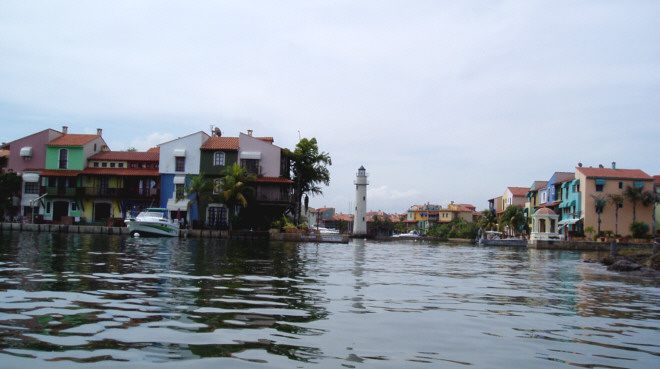
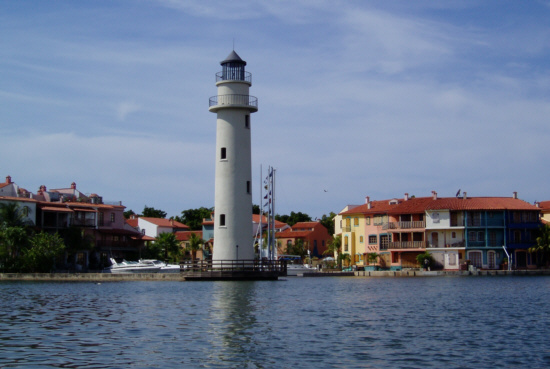
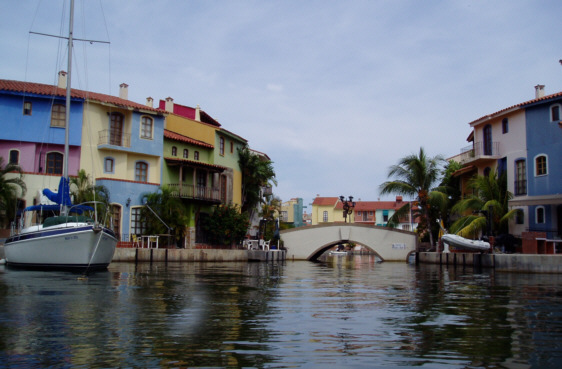
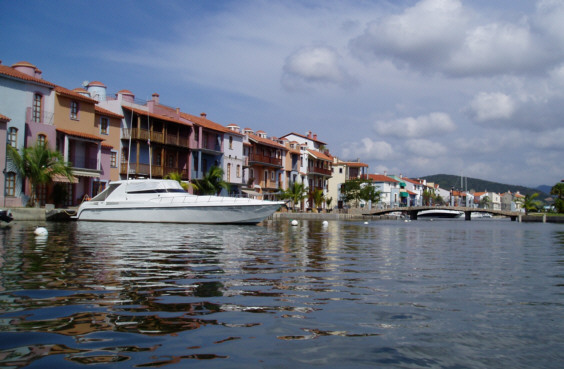
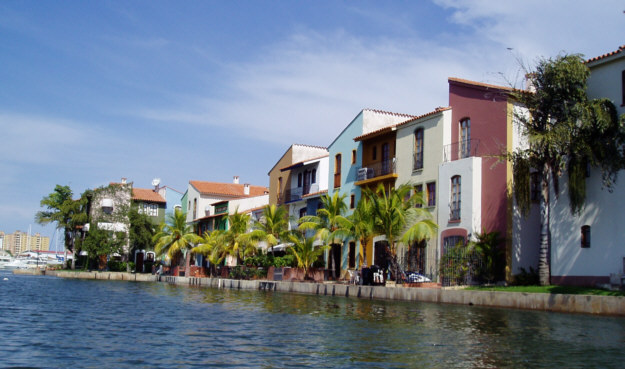
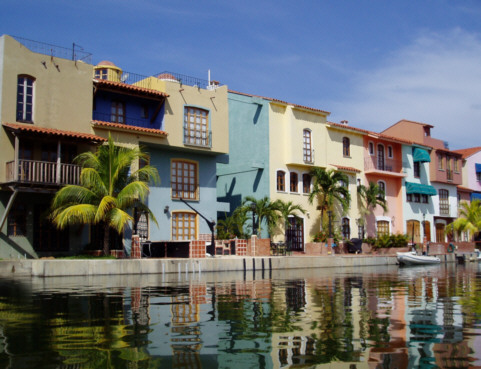
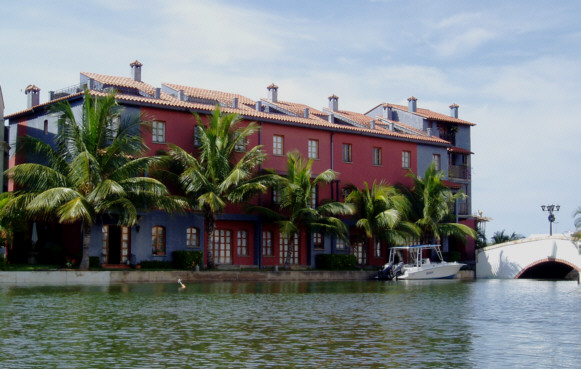
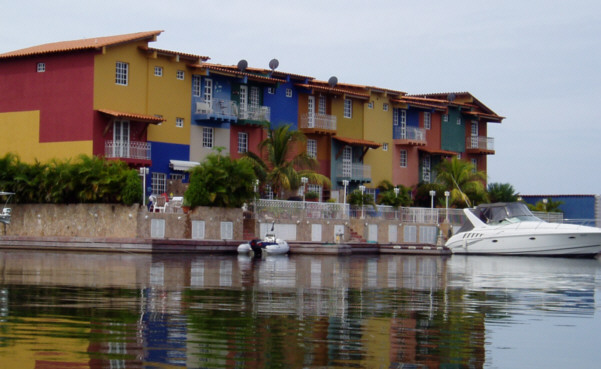
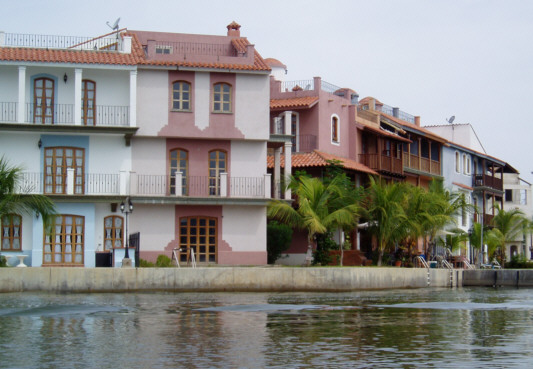
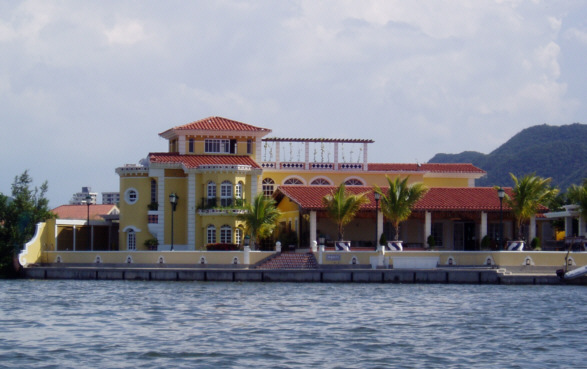
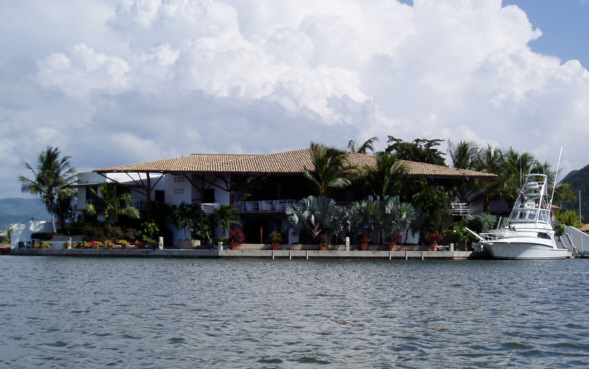
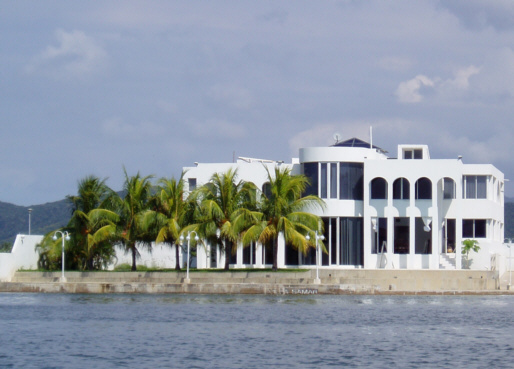
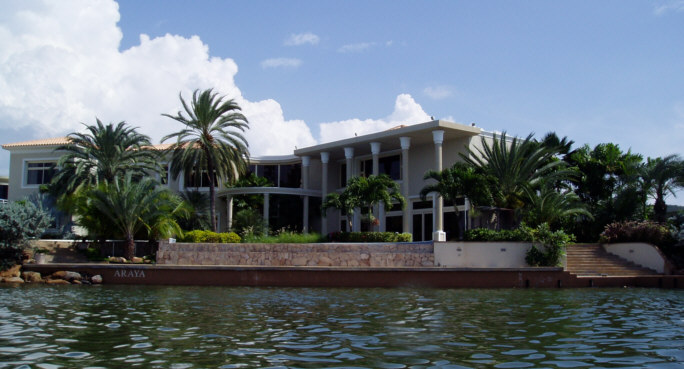
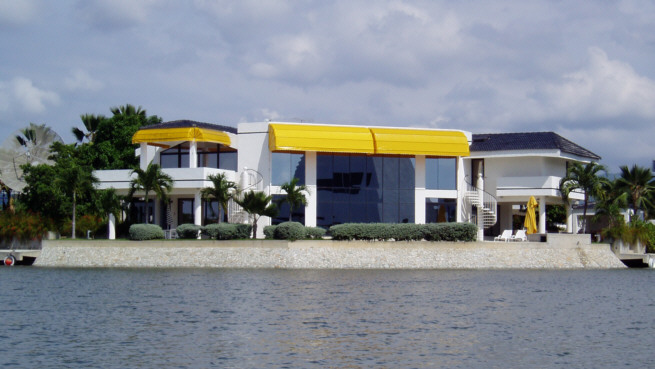
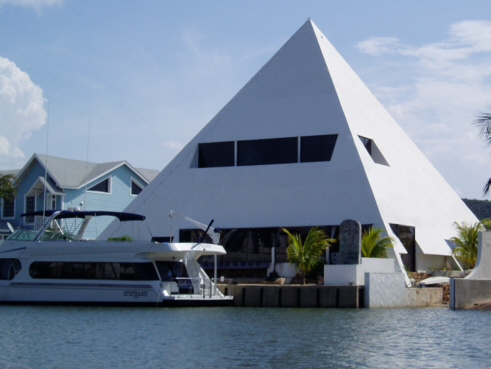
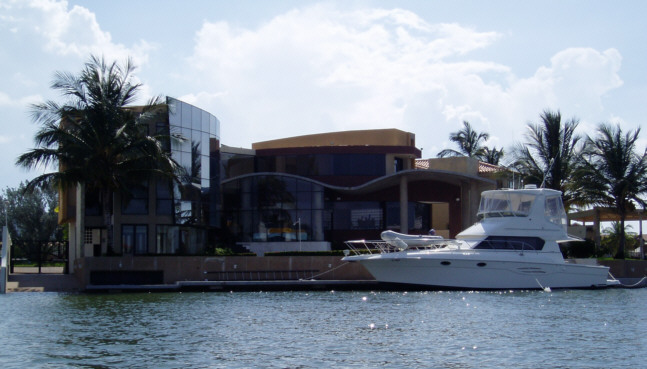
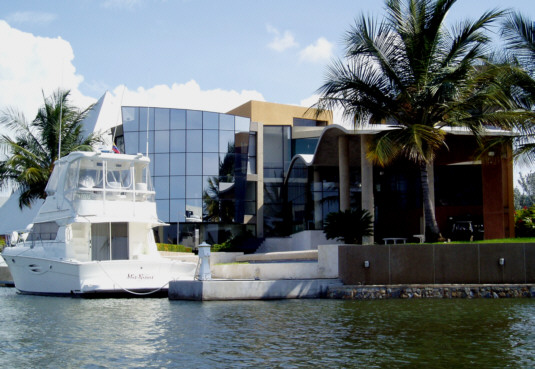
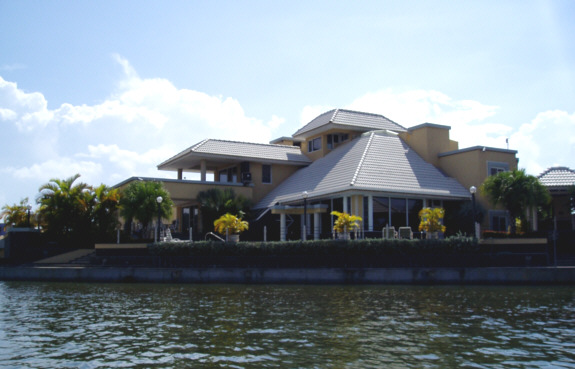
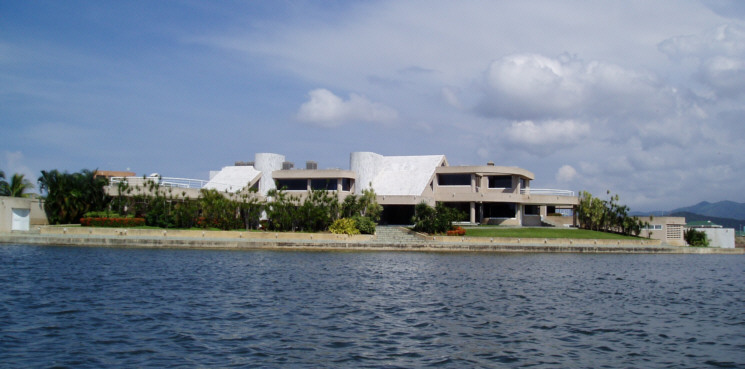
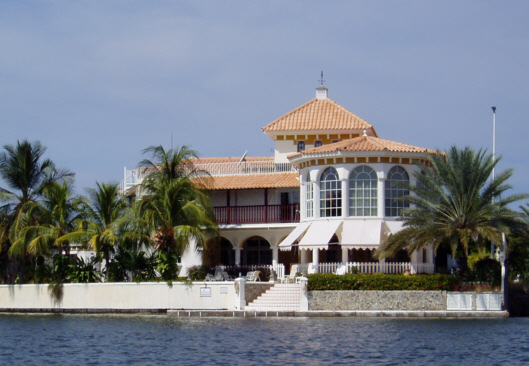
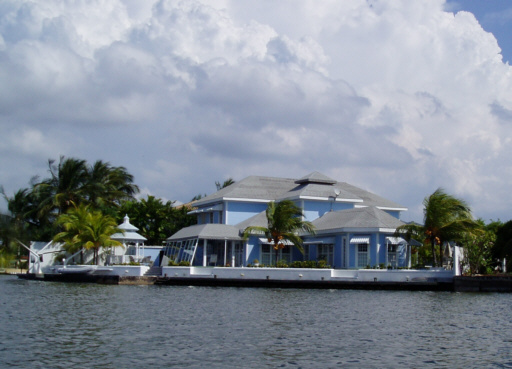
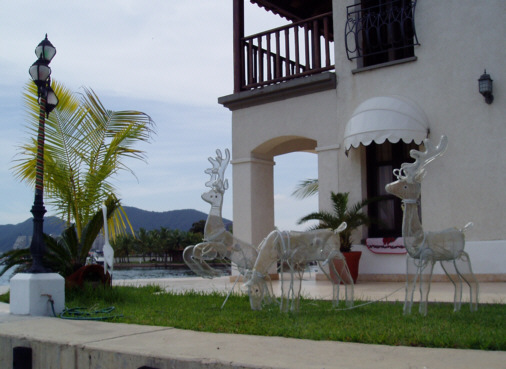
Venezuelan society is marked by huge social contrasts. According to official figures, 31.30 percent of the population live below the poverty line. And that line is very low indeed! These enormous class differences, as in many other South American countries of course, are a huge problem that we Europeans always find very hard to imagine. Sometimes large families have to live in self-built plank huts, crammed together on a measly 3 x 3 metres. Just 50 metres away stands a villa of the finest kind, surrounded by a high wall and guarded day and night by several armed security men. With the following pictures I would like to show you some homes and holiday houses of wealthy Venezuelans. About 20 years ago, construction of this huge residential ghetto began in the area of "El Morro", between Barcelona and Puerto La Cruz. To our Western eyes it is very pretty to look at, but how would the other 31.30 percent of Venezuelans see it? Oh right, they cannot see it at all, because they never get past the armed checkpoints.
Applying for a passport in Venezuela
I heard the following little story from Ineliz, Yvonne's Spanish teacher. Ineliz is a young, spirited Venezuelan student. To top up her pocket money, she gave Spanish lessons in the Marina Bahia Redonda every day. Quite successfully, for her and for some of her students too. Yvonne in any case raved about her, and in almost perfect Spanish at that.
Well, Ineliz urgently needed a Venezuelan passport. She was planning to visit her father soon, who is a Spanish citizen and lives in Spain. Her wish is to obtain, through her Spanish father, a Spanish and therefore European passport as well. But to be able to leave the country at all, she first needed the Venezuelan passport. For that, a personal passport application had to be submitted. Only on Mondays and Tuesdays, always between 08:00 and 12:00, can this application form be filled in and handed over in person. And only the first 80 people in the queue are dealt with each day. So what did our young and clever Ineliz do? She hired an unemployed person to wait for her in front of the office in question. This woman of course took on further "queuing jobs" as well and stood in line for persons number 10 to 14. The "queuing woman" started work on Saturday morning at about 08:00 and finished on Monday morning at 08:00. Ineliz could then take her reserved place in the queue on Monday morning at 08:00. She still had to wait another two hours, though, before she finally made it into the passport office. Over the whole weekend, the "queuing woman" received 250,000 bolívares from each of the five people she stood in for. Converted, her pay came to CHF 625, an unusually handsome sum by Venezuelan standards. Just for comparison: an average Venezuelan secretary earns about CHF 150 a month.
So who says waiting doesn't pay !?!
Farewell to the Marina Bahia Redonda and Venezuela
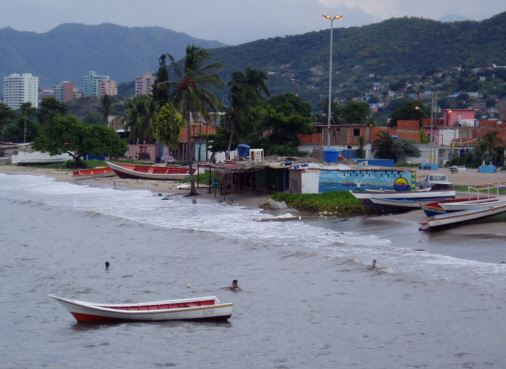
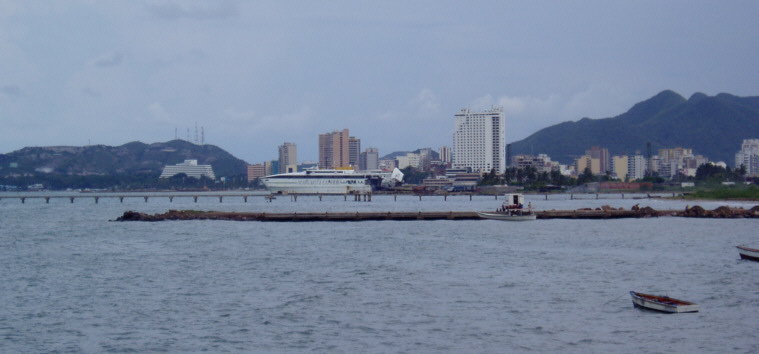
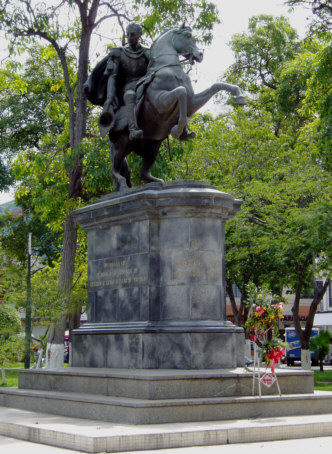
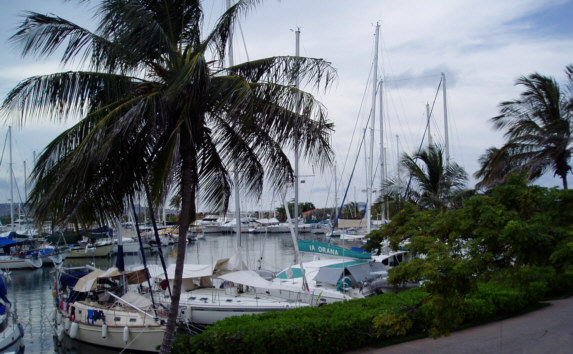
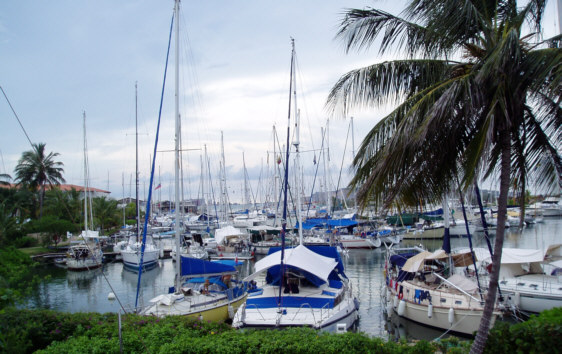
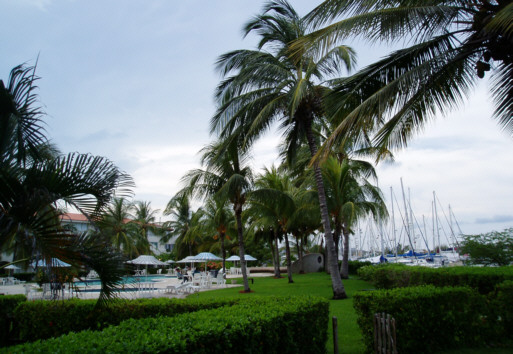
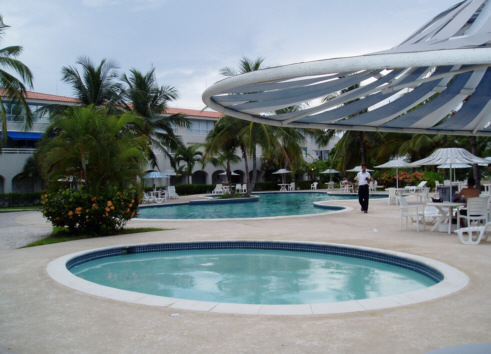
We could feel it physically and practically smell it in the air. Once again a farewell was approaching. A farewell to all the new friends we had made, a farewell to the quiet and extremely pleasant marina life. In such difficult moments we began, or rather mostly Yvonne began, to question our journey once more. "Why don't we just stay here? Why are we heading out to the open sea again to be shaken about? Why do we keep exposing ourselves to dangers and uncertainties when it would be so quiet here in the harbour, or on land?" Questions like these, and a hundred similar ones, suddenly pop up. "A little house by the sea. A garden and 50 animals around it, that's really all we need, isn't it?" Yvonne had many arguments that I found hard to counter. It is true that we have already seen a great deal of this world over the past years. So what more will the onward journey actually give us? North America, Canada and Alaska, those were the key words I could still throw into the ring. To experience the different seasons again, to be cold again for once, after three truly interesting years of tropical climate. To eat a rhubarb cake again, with lots of Nidle of course (Swiss German for whipped cream). As banal as it may sound now, at the time my words were very convincing. It also softened the pain of parting a little this time that we did not have to say goodbye to the German Momo, because we have similar route plans for the next two years. So on 17 November 2004 we continued our journey, together with Barbara, Wolfgang and their tomcat Einstein.
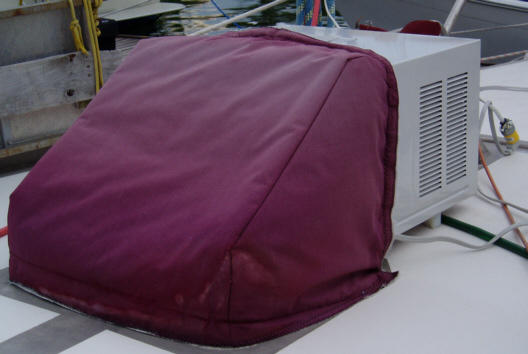
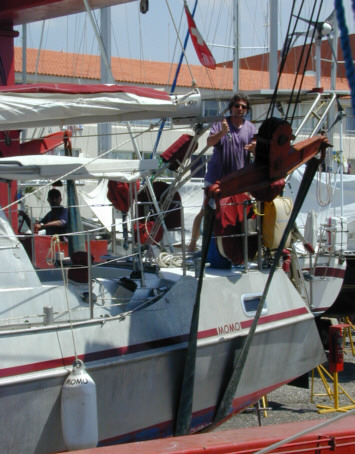
Before that, of course, there was still the obligatory yearly maintenance work on MOMO to be done. For one week we went ashore to apply the new antifouling. While we were at it, we also welded new stainless steel brackets onto the stern davit for our big-game fishing rod and the new anchor light. Then we had to sell our air conditioning unit. That turned into a little poker game, because after Yvonne's first radio announcement nobody got in touch at first. Then an American sailor came along who wanted to take the unit right away. But I was not prepared to stew below deck for the last two days. So the American passed on our unit, hoping to get it after all, and very cheaply, just before we left. On the last day a local worker came aboard and took over our air conditioning exactly one hour before we set off. That was perfect timing, and the speculating US sailor had to keep making do with a "hot" boat.
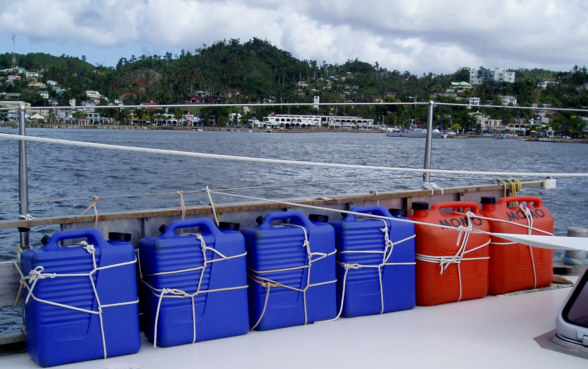
After buying fresh vegetables and fruit, we were almost ready to go. All that was left was one last fill-up of our diesel tank. At a price of less than 2 Swiss centimes per litre (that is not a typo), our 1000-litre tank was of course filled to the brim, and we bought a few extra spare jerrycans too. So for 900 litres of diesel we paid a fabulous CHF 18.
Unbelievable, but true. Here in Venezuela drinking water costs more than diesel!
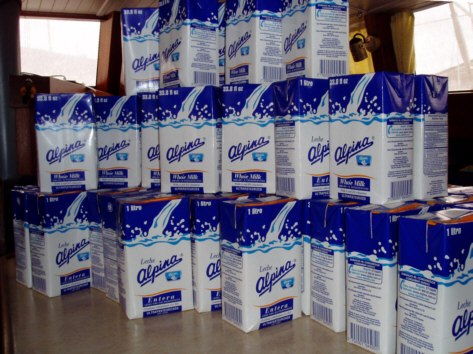
With short stops at the nature reserve islands of Mochima and Cubagua, our first destination was Porlamar on the holiday island of Margarita. This duty-free island is the ideal jumping-off port for heading north. Here we could do one very last really cheap shopping trip. 150 litres of milk, all kinds of tinned food, wine, rum, various fruit juices, cola, pasta and so on and so on. MOMO was now sitting a little lower in the water than actually intended. But what the heck. We will never again be able to shop this cheaply in the coming years. When all our purchases were finally stowed seaworthy on board, we finally headed north, towards La Blanquilla and the Dominican Republic.
The nature reserve island "La Blanquilla"
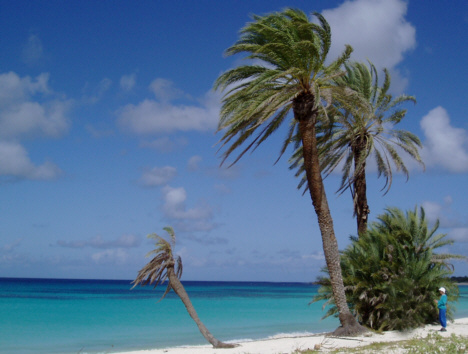
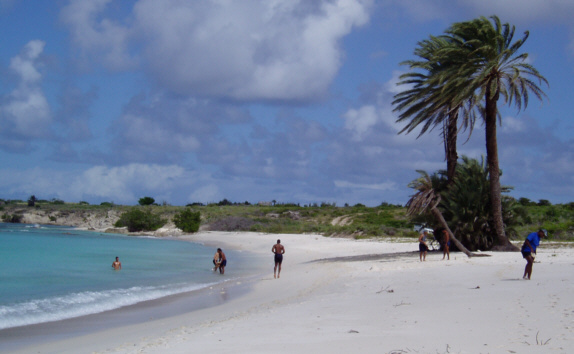
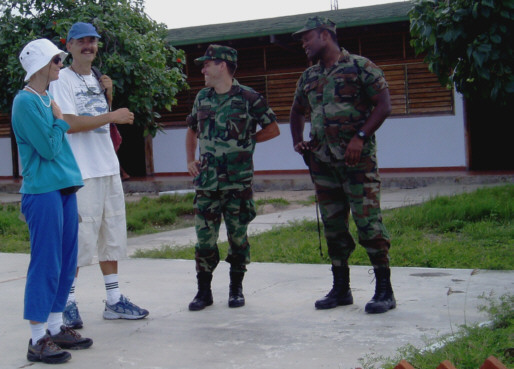
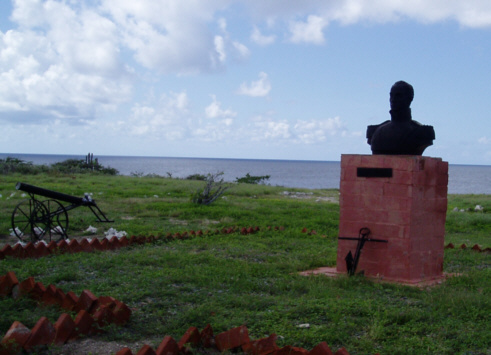
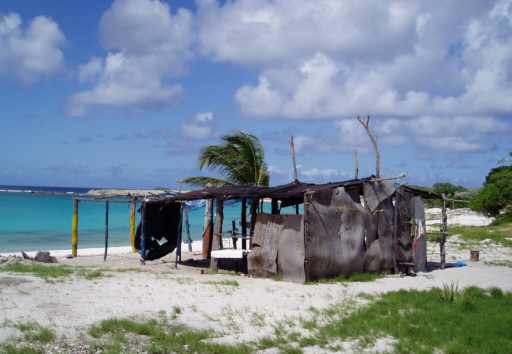
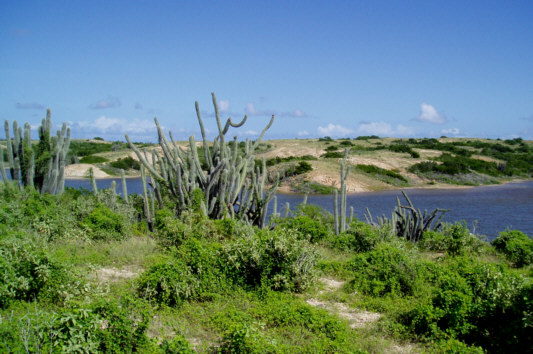
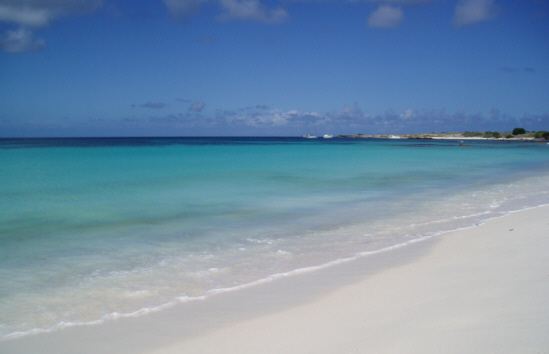
After a pleasant and quiet night passage we reached the first stop on our way to the Dominican Republic, the small nature reserve island of "La Blanquilla". Apart from a very small unit of the Venezuelan military, nobody lives here. Once again, this is pure untouched nature: coconut palms, white sandy beaches and clear, turquoise water.
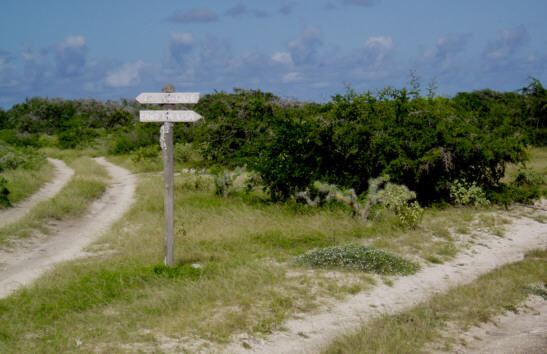
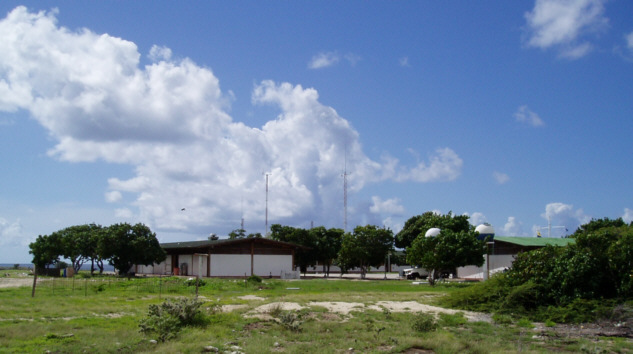
On Sunday the 8 military lads stationed on the island were enjoying a game of beach football. The young commander of the unit took the opportunity to come over and invited us all to visit their camp. Of course we did not want to miss that, and the next day we set off on foot. The walk from our boat to the small barracks would take about 1 ½ hours, he had told us. He could not say exactly, though, because of course he always drives this route by jeep. Oh yes, "it was important that we turn right at the crossroads". To explain: on the whole island there is just one small dirt road, with exactly this one crossroads. When we arrived at the military camp we were warmly welcomed. Any change of routine is very welcome here, even us yachties. After a short but interesting tour of the grounds, we were offered fresh fruit juice to finish. The military showed itself from its best side.
For once it was time to laze around again and enjoy the beauty of nature. We spent a few wonderful days here.