
French Guiana · Tobago
Jungle, the Îles du Salut and arrival in Tobago
More short excursions into the jungle of French Guiana
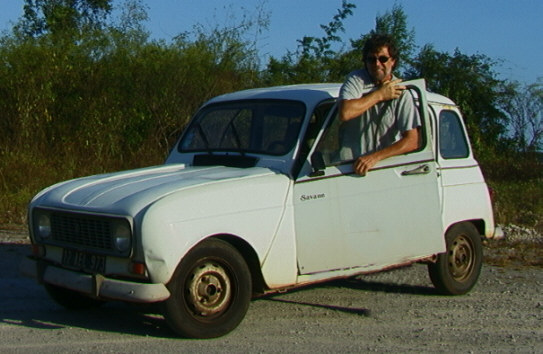
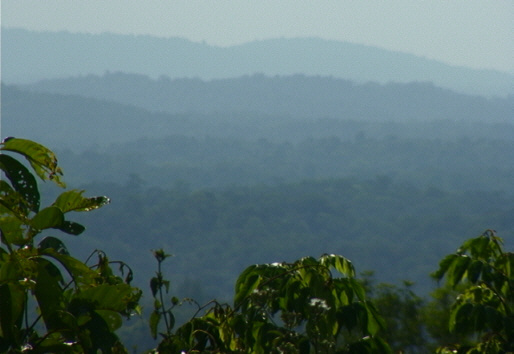
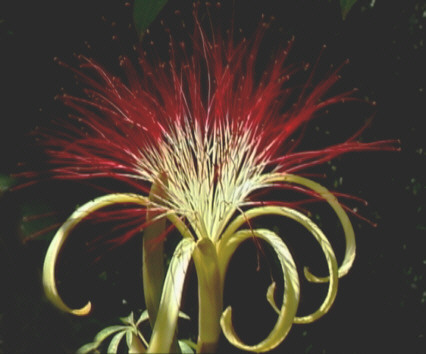
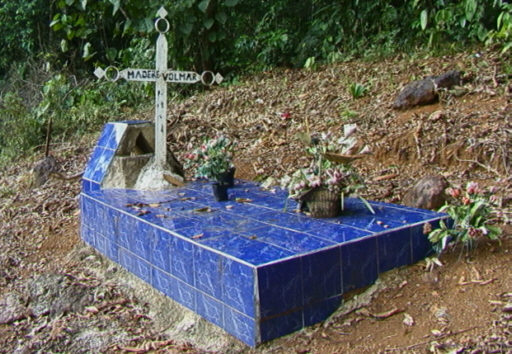
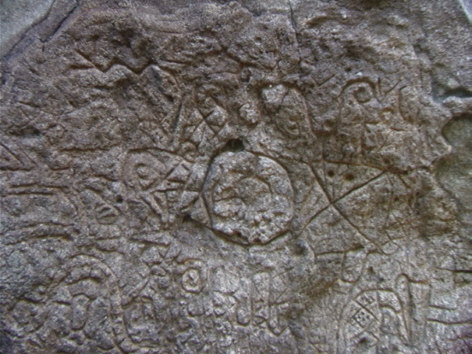
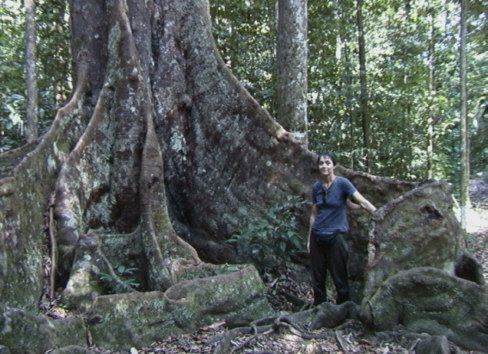
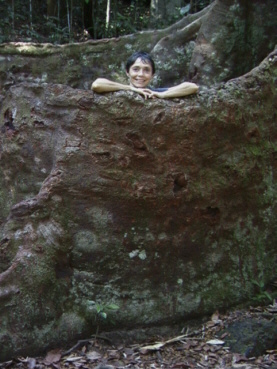
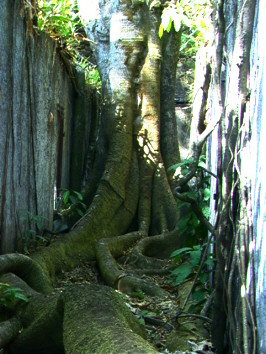
To conclude our 6-week stay in French Guiana, we took several more short trips into the vast jungle. With our Renault 5, rented for once very cheaply and almost antique, we were now quite mobile. "La Montagne des Singes", "Montagne de Fort Diamant" and "Crique Gabriel" were the chosen locations. The lush vegetation was impressive every single time. The height of the palms and the size of the trees was overwhelming even for me, someone from the deepest Emmental who still personally knows the original Dürsrüttitannen. Lots of exotic butterflies and birds, monkeys and indefinable sounds were the only things we got to see and hear. As true jungle novices, we were of course always at the wrong place at the wrong time. What remained for us were the most diverse tracks, over which we could then speculate at length. This always gave our imagination plenty of room to play.
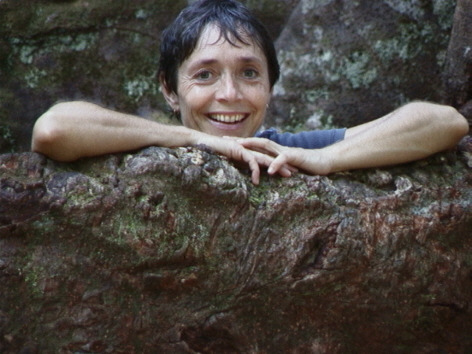
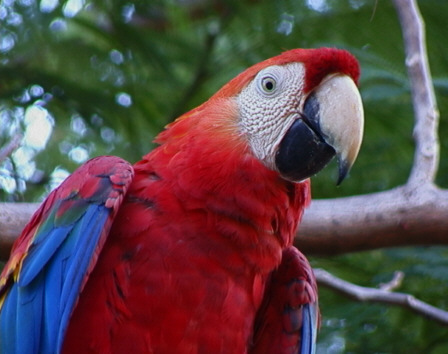
Îles du Salut - Visiting "Papillon"
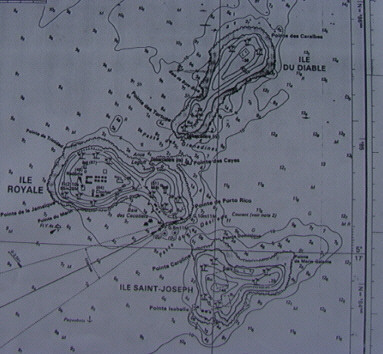
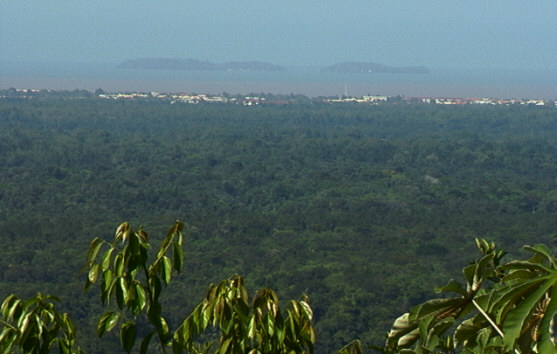
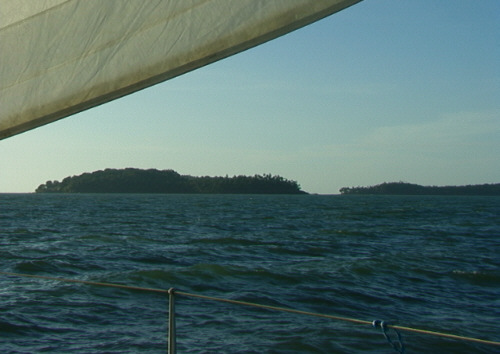
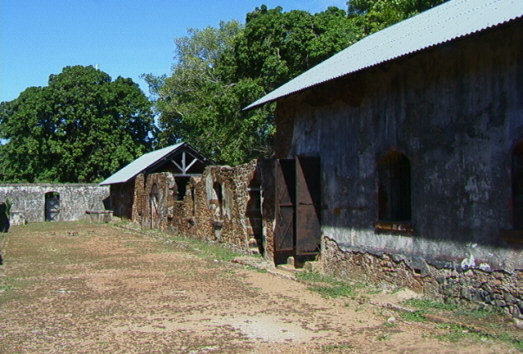
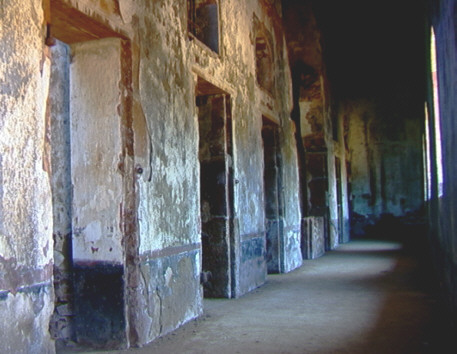
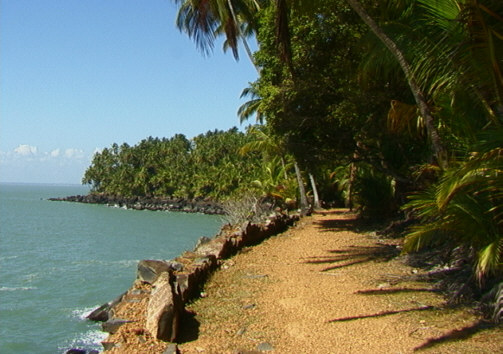
7 nm off Kourou, the European spaceport, lies this idyllic archipelago. However, they were not always so beautiful and peaceful. From 1852 to 1945, it was a notorious French penal colony, a prison of a particularly cruel kind. Here, the "relégués", the petty, incorrigible and recidivist crooks, were treated as the lowest tier in the prison hierarchy and as scum by the other criminals. The "transportés" were the heavy criminals and the "déportés" were the political prisoners. The best known of them was Captain Dreyfus, who had to spend over 4 years here, and that completely innocent. The life expectancy of the inmates was only about five years. This also explains why the inmate population always hovered around 6,000 people, even though usually over 1,000 new ones were brought here every year. According to official figures, well over 50,000 inmates died here, mowed down by the dry guillotine.
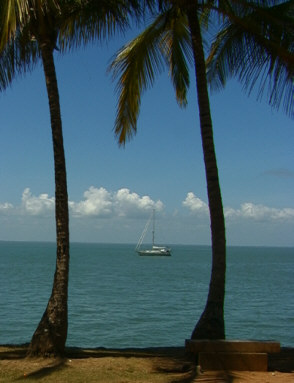
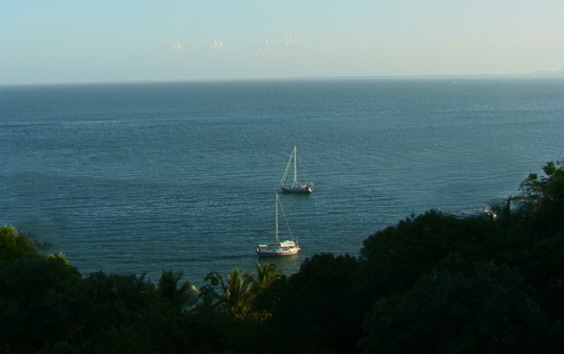
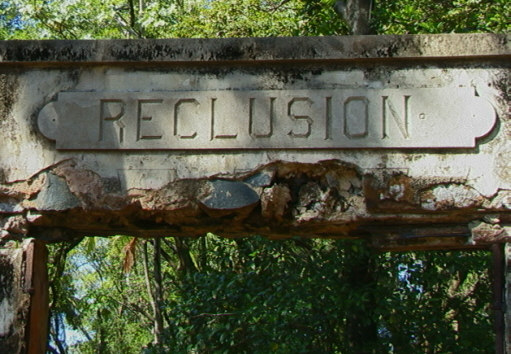
We are lying here at anchor in the bay and imagining how the convicts used to be brought here by ship. How they went ashore, weighed down more by their worries and fears than by the bags they brought with them. How they were pushed through the entrance gate and the free world came to an end behind them. Suddenly I see all this playing out realistically before my eyes. There really is a large ship. Now people are being brought ashore from it, unloaded, and they are walking up the street toward the entrance gate. The mood of these people is cheerful, though. People are laughing and ..... photographing. I wake up and only now see the large cruise ship, which is showing its guests the chamber of horrors of the Île du Salut for a few hours. With a welcome drink at the pier and all the trimmings, as befits this style of travel. A few hours later, this apparition is thankfully over, the island and we have our peace again and can continue dreaming in the past, which for the inmates back then was certainly a bad nightmare.
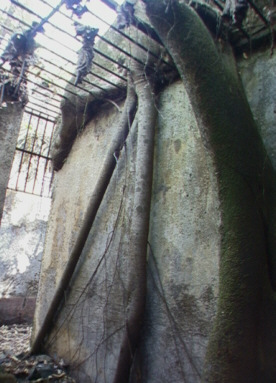
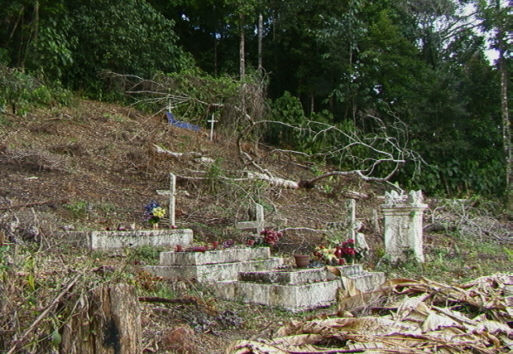
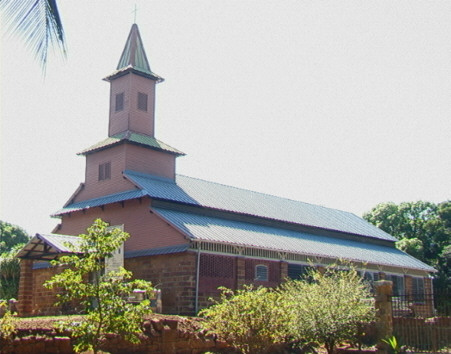
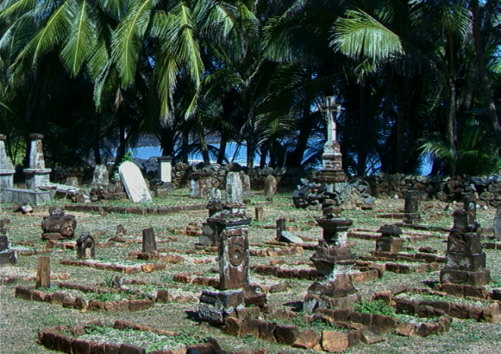
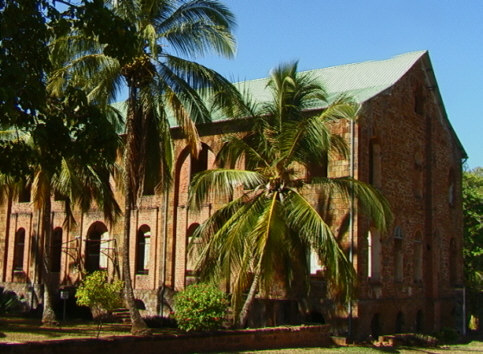
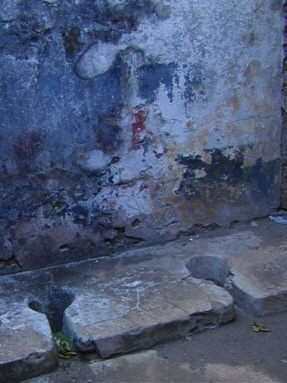
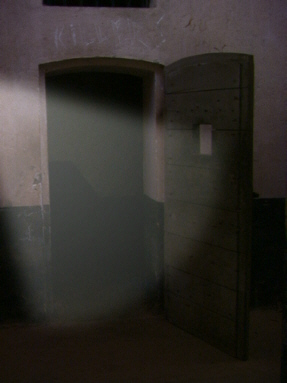
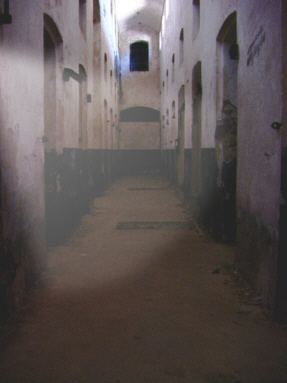
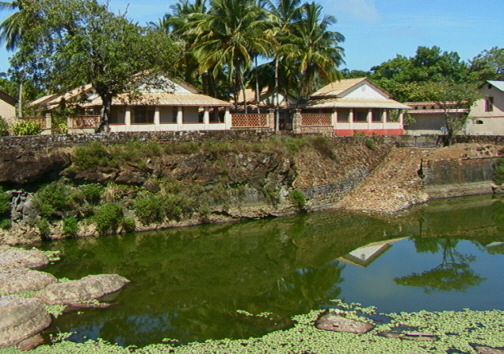
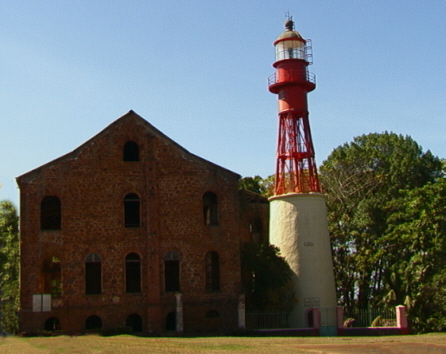
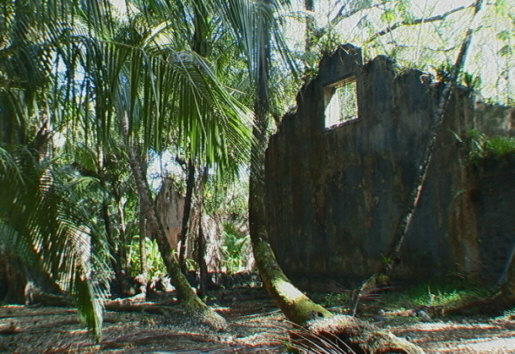
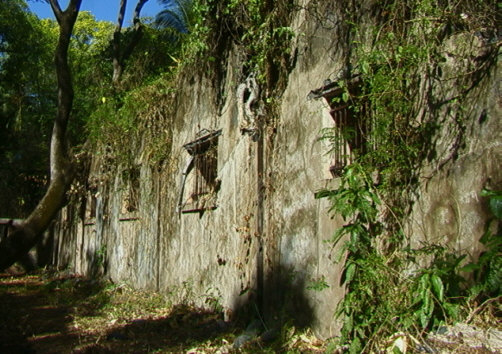
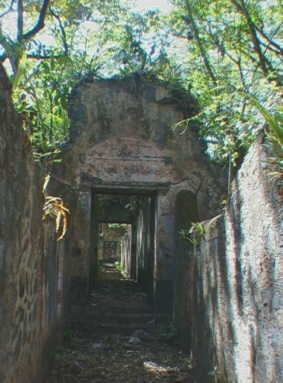
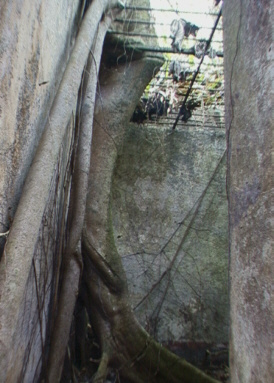
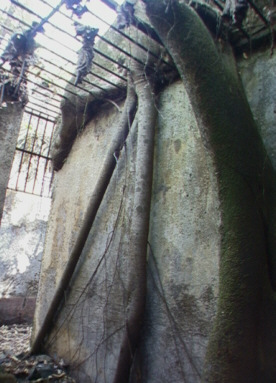
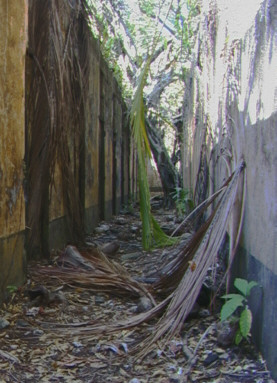
We try to imagine what life was like back then. For example, in the cages that only have a grating for a roof, where the recalcitrant inmates and those who had since gone mad were kept like wild animals. Sometimes inmates were locked in solitary confinement there for several years under absolutely inhumane conditions. Or the hustle and bustle in the large factory hall, how the penal colony guards frolic in their sea swimming pool, or a burial in their cemetery. However, only the guards were buried in the ground. After their death, the convicts were simply thrown into the sea, to the benefit of the sharks, which are said to have been abundant there at the time. Who can blame them, with this overabundance of food. Incredible and gruesome as the history of the Îles du Salut archipelago is, it cannot help it. It was solely the people of the Grande Nation of that time who must take responsibility for it. Today, the three islands, Île Royale, Île Saint-Joseph and Île du Diable, are privately owned by the Centre Spatial Guyanais, the European spaceport. They are gradually being faithfully restored, opened to tourism, and completely evacuated for safety reasons during every rocket launch.
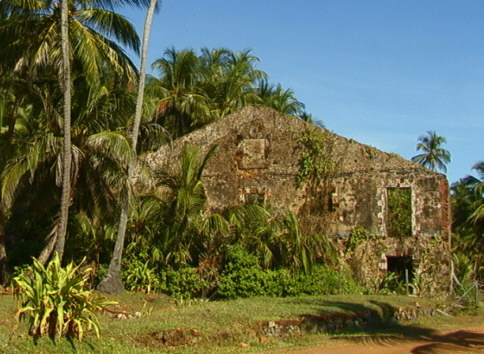
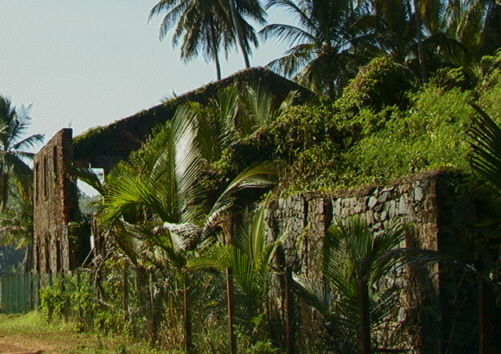
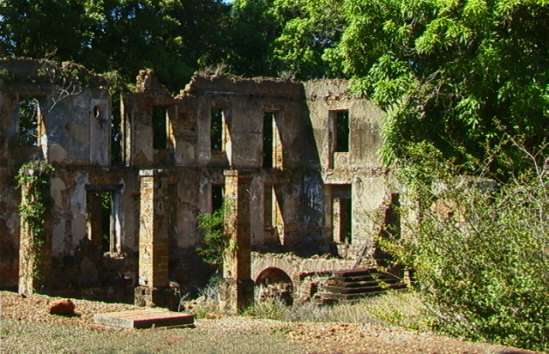
Pictures from Île Royale ....
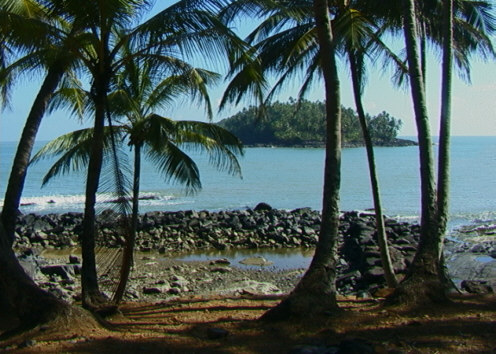
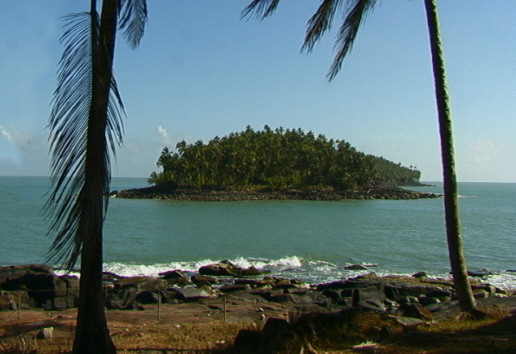
.... and from Île Saint-Joseph
Our Arrival in Tobago
After a 5-day crossing with unfortunately only light tailwinds and quite a bit of swell, we reached our next destination, the Caribbean, on October 30, 2003. The sailors among you already know what I mean on a sailboat when I talk about light winds and heavy swell. For the non-sailors, let it just be said: the MOMO rolls heavily from side to side, the sails flap back and forth, and Yvonne asks me every hour how much longer it will be until land is finally in sight.
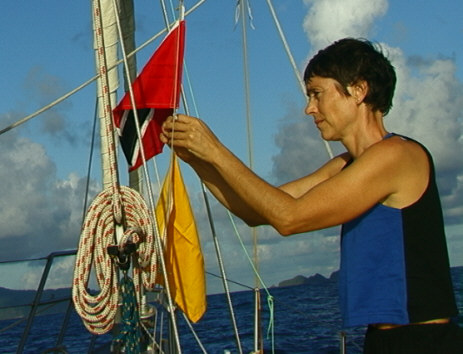
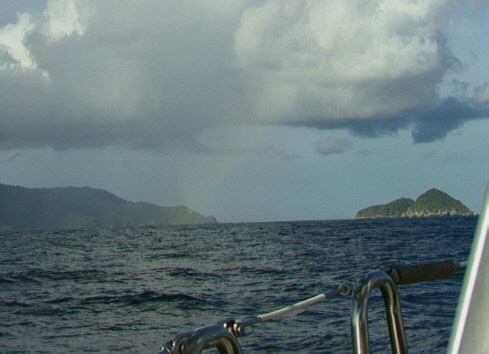
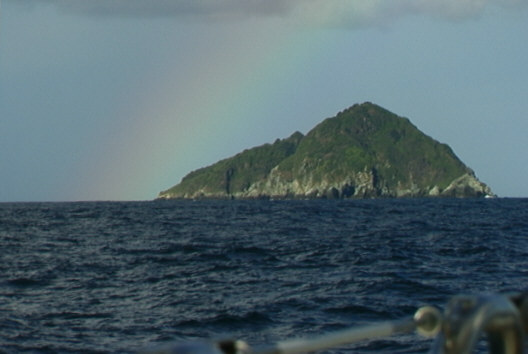
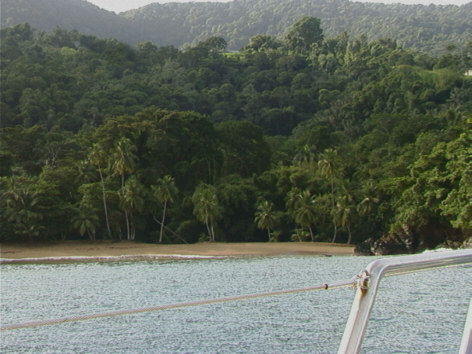
The Caribbean greets us, the German and Swiss MOMO, with rather unfriendly weather. Season-wise, we are just a bit early and it is still the rainy season here. According to our guidebooks, Tobago itself is supposed to be the friendliest of all Caribbean islands. Well, if that really is the case, then good night, Caribbean. They are still miles away from the natural friendliness and zest for life of the Brazilians. So far, I have not received many friendly words or cheerful laughs in return. However, I am optimistic and very much hope that I have simply run into the wrong people so far.
The landscape, the clear water, and the underwater marine life are nevertheless very impressive. The weather is, as already mentioned, still very changeable at the moment, which means it rains at least once a day, but usually several times. However, the rain here cannot be compared with that in Europe. If a shower catches you somewhere outside, you are naturally soaked to the bone immediately. At the latest 15 minutes later, you are dry again because the sun is out in full force once more. The temperatures are quite pleasant, always around 30°, and the water is about 28° warm. We are excited to see what awaits us here over the next half year.