Canada · British Columbia
The Broughton Archipelago
Broughton Archipelago
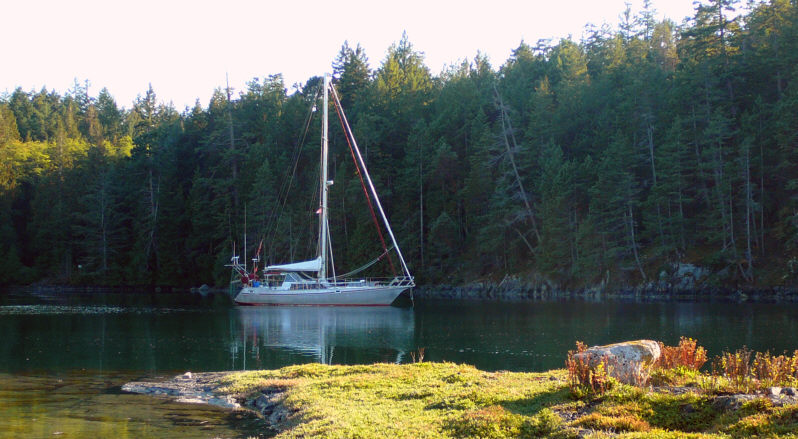
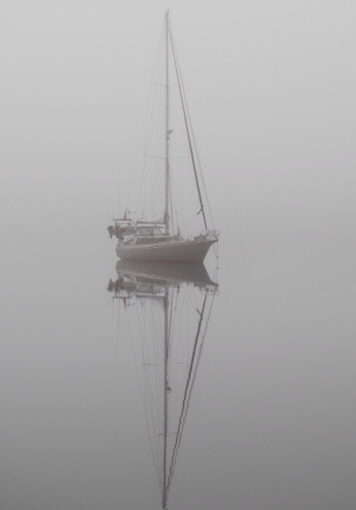
After having to wait for a few days in Fury Cove because of strong westerly winds, we were able to round Cape Caution in almost ideal conditions.
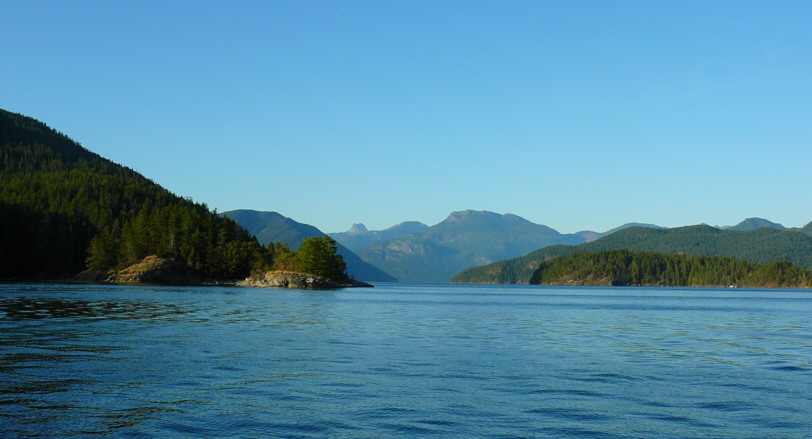
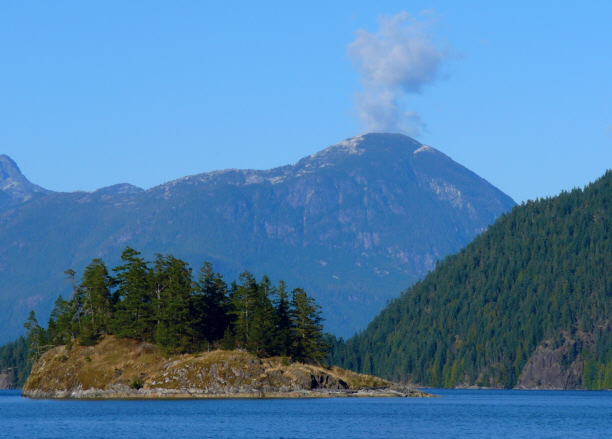
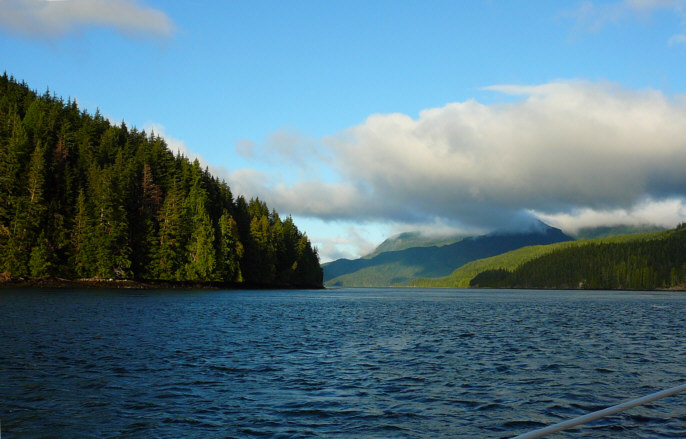
Only the still-lingering swell turned the first part of the route into an unpleasantly rolly ride. From the moment we were able to set a direct course for the Broughtons, it became significantly more comfortable. Thanks to the strong wind, we reached the Broughton island group earlier than expected. The weather was now visibly improving and sunny days became more frequent. After the previous sun-poor months, we were finally able to experience what it feels like to enjoy warm sunshine for several days in a row.
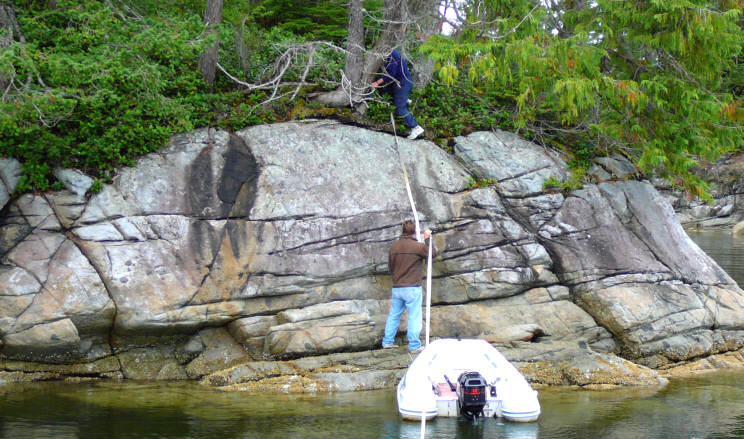
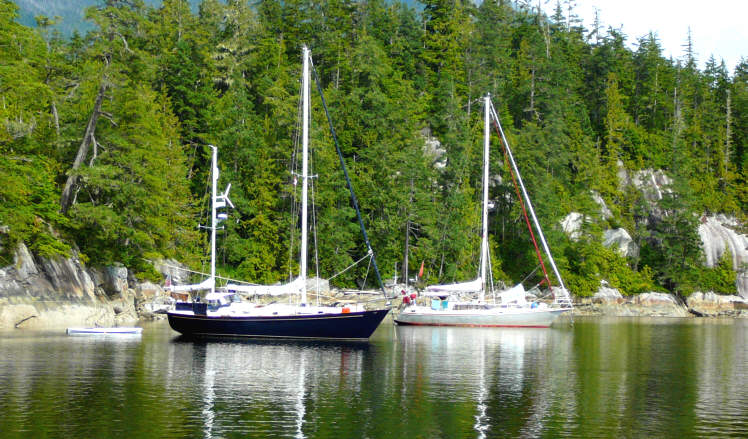
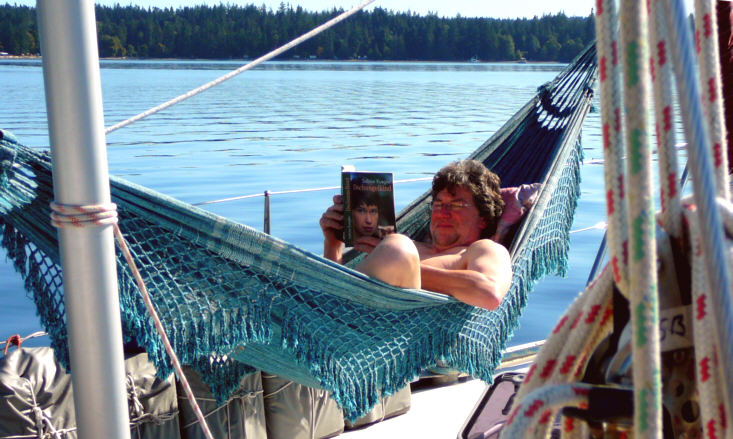
For Yvonne it was still a bit too cold, but I could finally get my T-shirt and shorts out of mothballs. For a whole day I even got to enjoy the feeling of stretching out in the hammock. This with skin as pale as cheese, of course, but one becomes easily satisfied up here in the north and expectations become more modest.
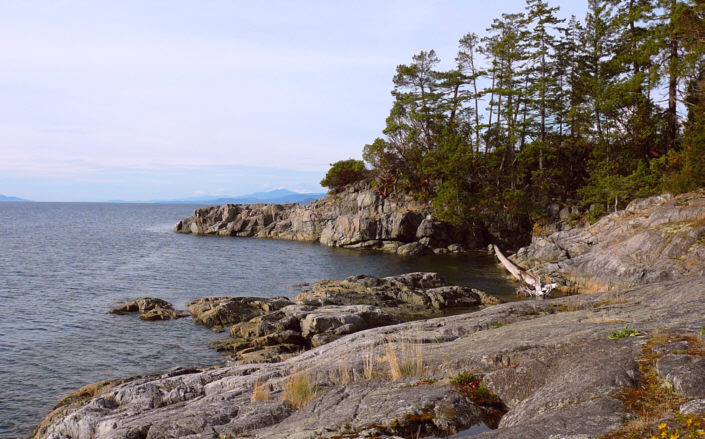
The Broughton Archipelago is known for its green mountains and blue water. It is a true island paradise in the north of Vancouver Island. This is also the home of the Kwakwaka'wakw First Nation. This name is a tongue-twister similar to our Bernese German word "Miuchmäuchterli".
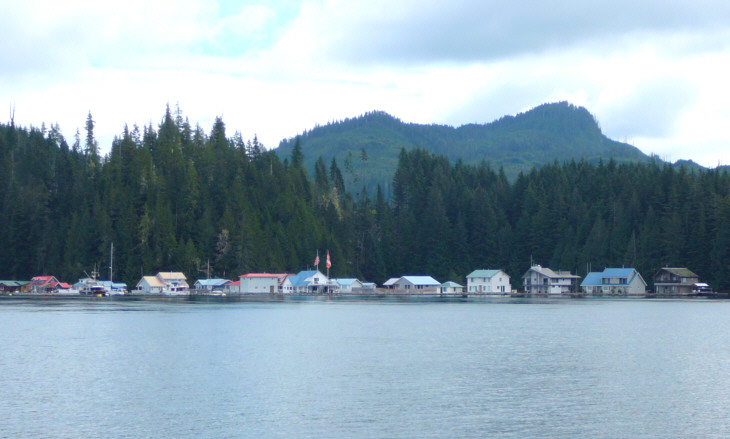
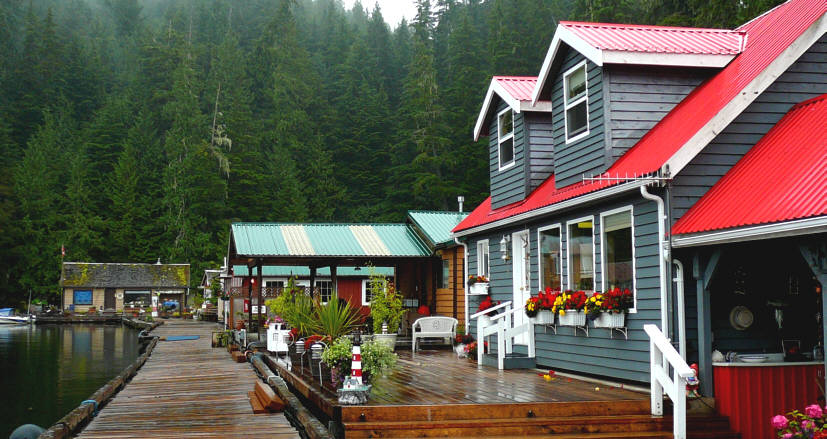
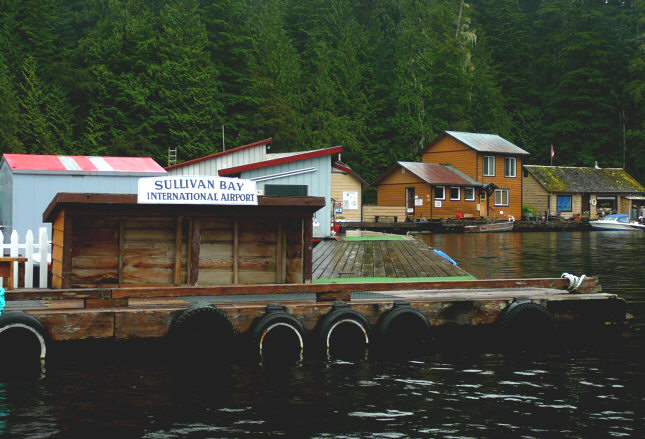
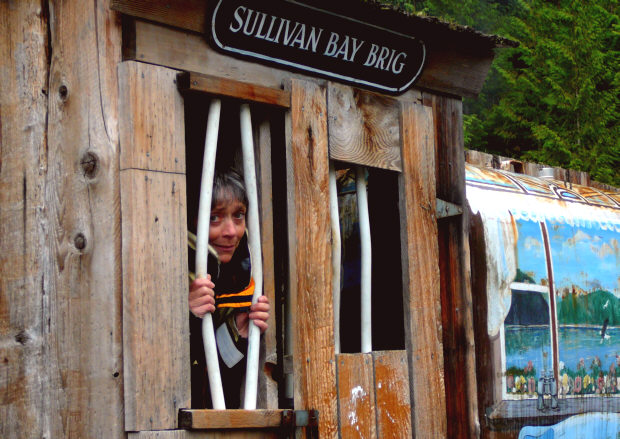
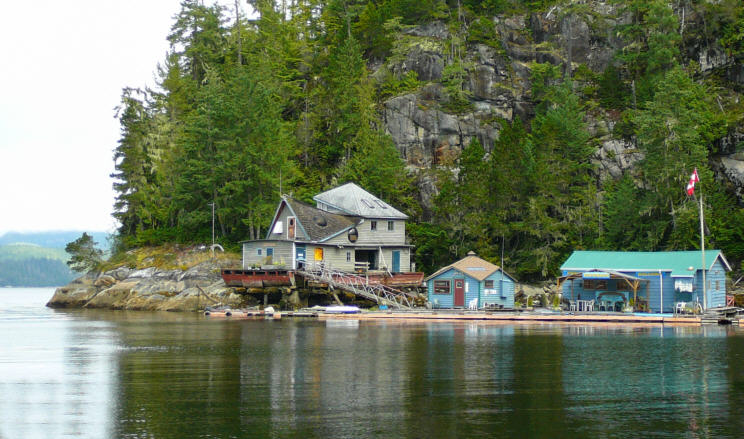
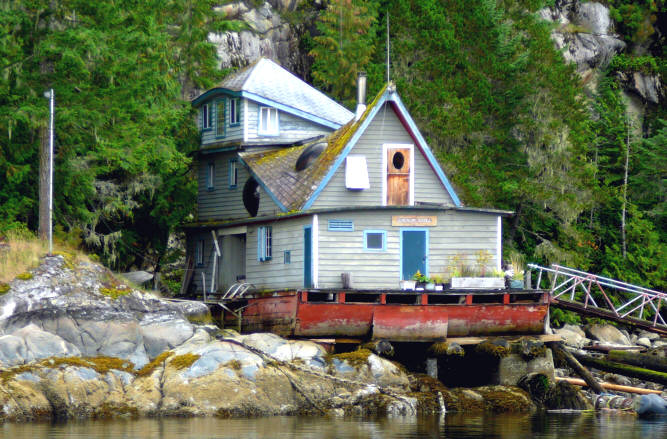
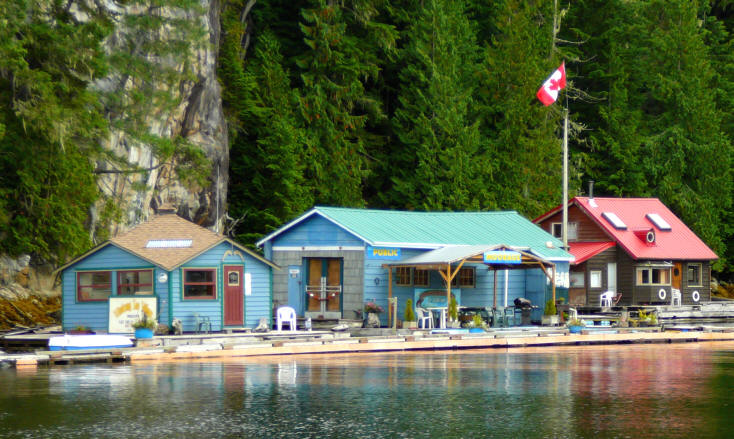
There are also several small settlements in the Broughtons that are one hundred percent built on the water. Complete houses are assembled somewhere on the mainland on floating platforms and then towed to their destination by tugboats. So if you are moving from one village to the next here, you do not need moving boxes, just a powerful towboat.
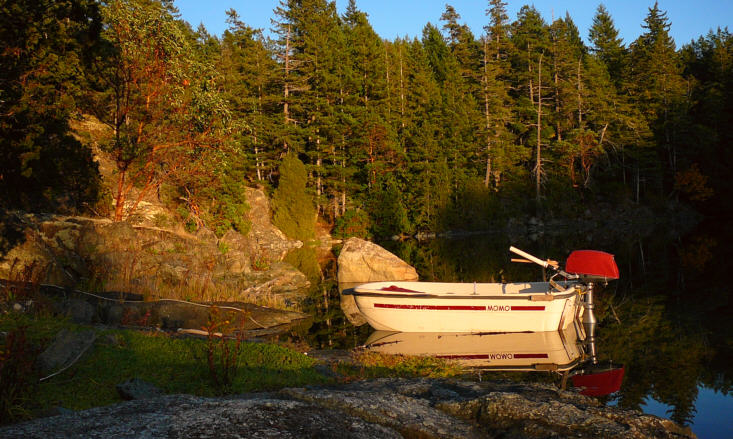
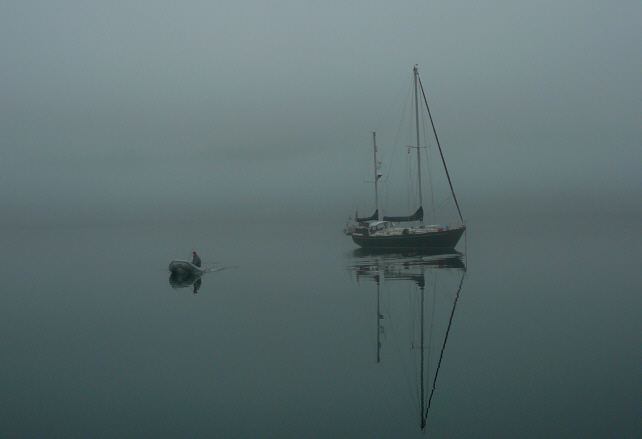
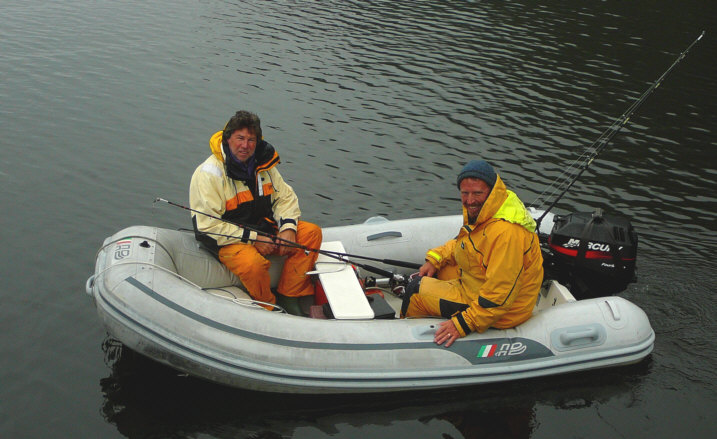
Fishing became increasingly difficult the further south we came. That is to say, the sea here is already quite fished out. You practically saw no commercial fishermen anymore, and the high season for sport anglers was, fortunately, also practically over. Nevertheless, Dean and I wanted to try our luck anyway. The fact that he already knew this region from previous visits came in handy. Thus he knew good fishing grounds and we were able to visit them with his powerful and fast dinghy.
We had already given up salmon fishing north of Cape Caution, and here we wanted to hunt for halibut.
The Pacific halibut has both eyes on the right side of its head, making it a right-eyed flatfish. The upper side is completely dark-mottled and the underside is gray-white. The halibut is a groundfish that feels most at home on sandy or pebble-covered bottoms at depths of up to 2000 meters. This gourmet fish, with its white flesh color and its uniquely delicate taste, is considered a distinct delicacy. Black halibut is a low-calorie power supplier that provides very high-quality and easily digestible protein. In other words, we eat healthily if we manage to hook one.
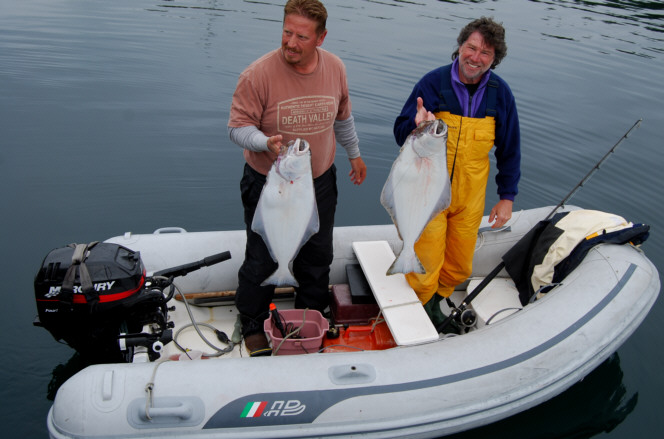
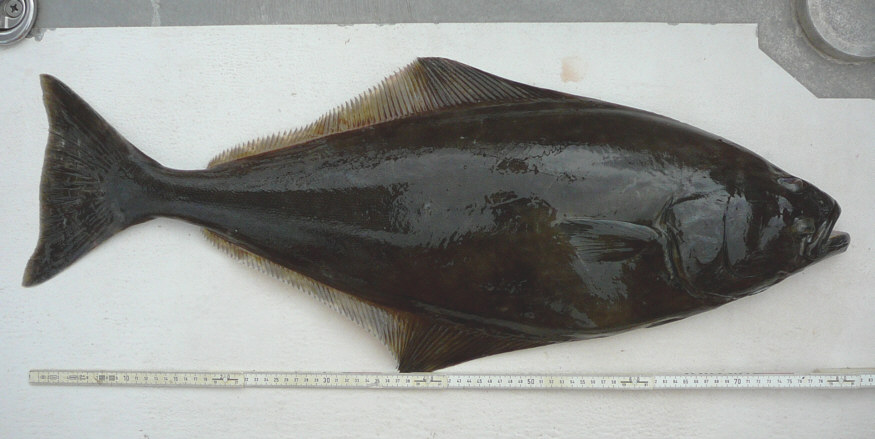
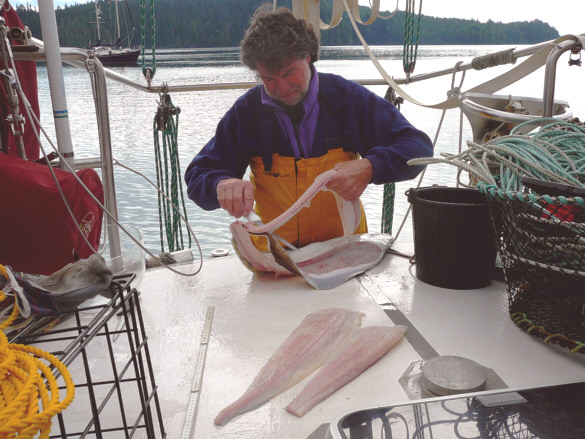
A fully grown specimen can live up to 50 years and reach a weight of over 300 kg. However, this species was not our target, but rather we wanted a so-called "chicken". These are the younger halibuts, less dangerous and even more tender. The large and old specimens can reach a length of 2,5 m and more. I had heard that among sport fishermen these have earned the nicknames "flying carpet" or "barn doors".
On this occasion I also received the friendly advice that if such a "monster" should ever take my hook, there would only be one thing left for me to do: "Immediately cut the fishing line or you will go water skiing." Prawns, or shrimps in German
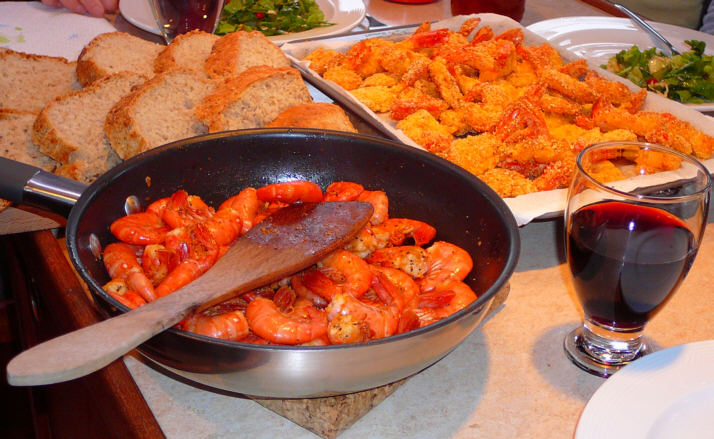
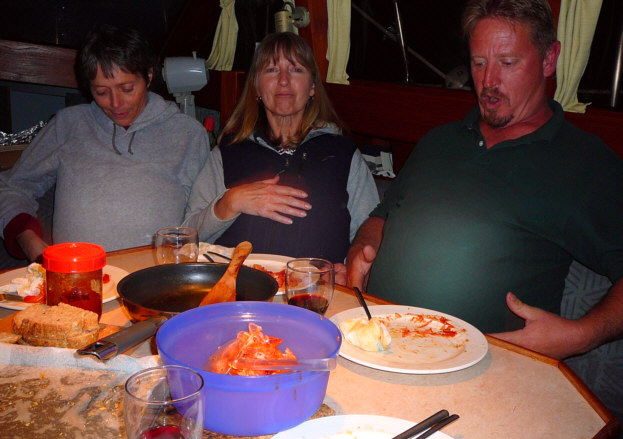
Ever since we were traveling in loose company with SY Talisman, we acquired a taste for this seafood. Dean owned two prawn traps and used them successfully. Catching prawns is actually not that difficult if you apply some important insights about it. However, it can be exhausting, especially when the basket has to be hauled in with the catch. The best fishing depth is around 90 meters, which means it took some muscle in the upper arms to pull the basket with the little creatures back into the boat.
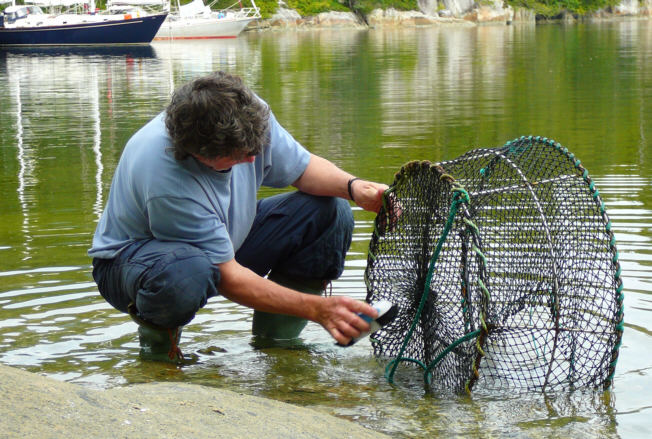
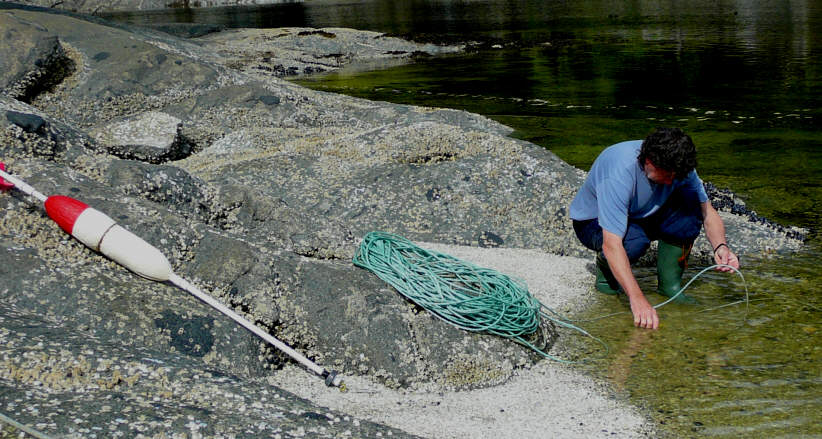
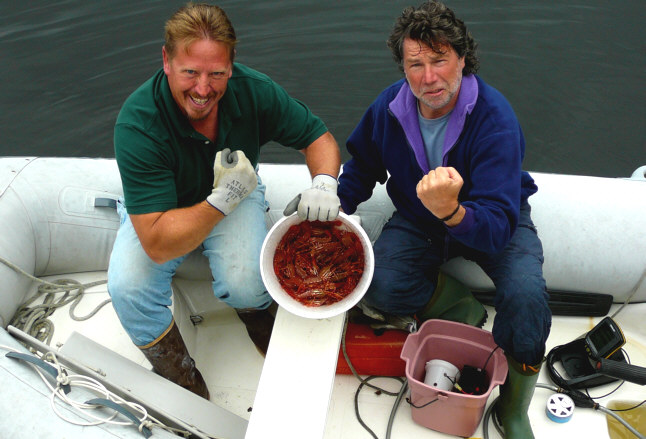
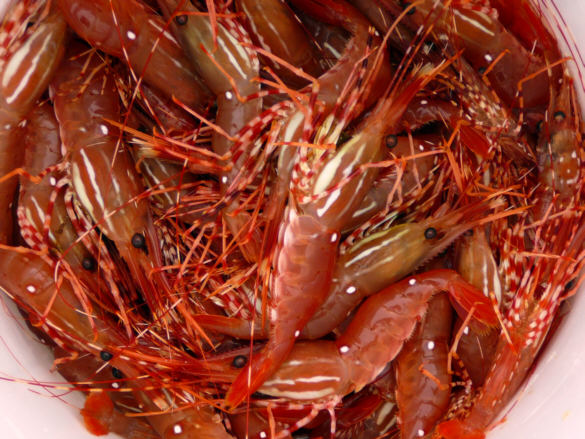
It was now obvious that we wanted to buy a prawn trap at the next opportunity. Until then, however, we were still dependent on Dean's fishing success. As is well known, things often turn out differently than expected. This was also the case here. One morning, the trap we had set out the evening before was no longer in its position. The strong tidal current had drifted it away. This was not really a major problem, and we actually found it again about a mile away. When hauling it up, which required an extreme amount of strength, we suddenly noticed that a sunken trap had caught in our own. Then another one appeared, and that is how I came by my prawn trap quite by accident. You could tell that these traps had been down there for quite some time. Totally covered in mud, but otherwise almost like new. After a few hours of scrubbing, I was the proud owner of a professional trap, including 150 m of line, a marker buoy, a flag pole and a flag. The value of this catch was about 250 dollars, but much more importantly, we could now go prawn fishing ourselves. Port Neville
This sounds like a small town, or at least a village. Far from it. It was never a real settlement, but simply the post office for the entire region. There was also the only larger grocery store here, which always belonged to the Hansen family.
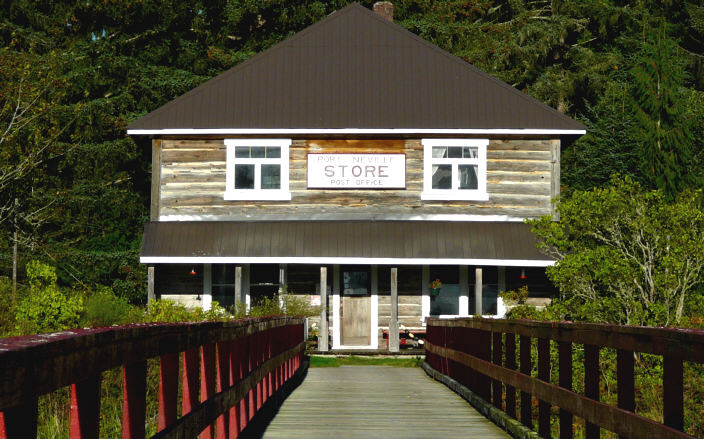
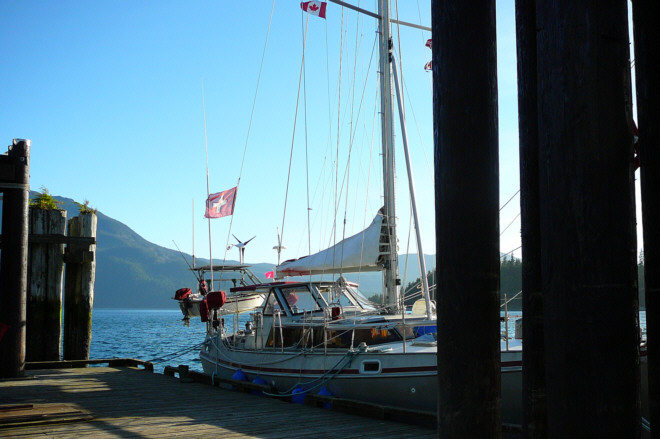
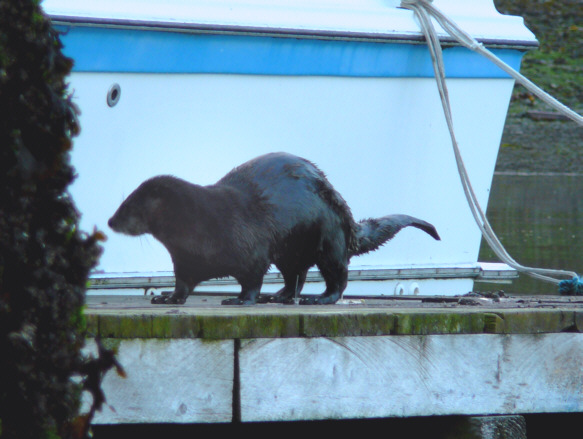
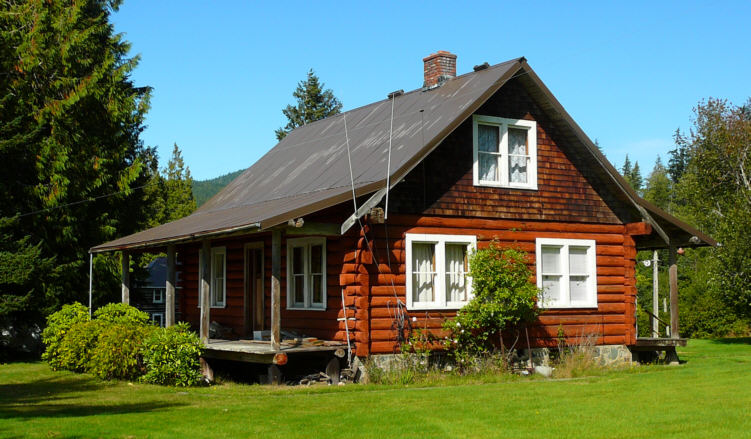
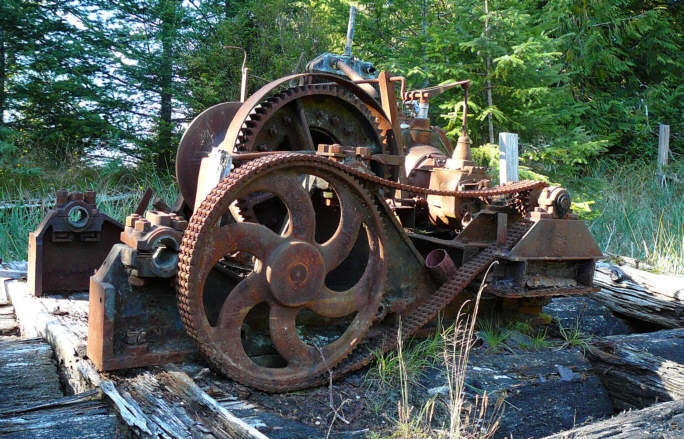
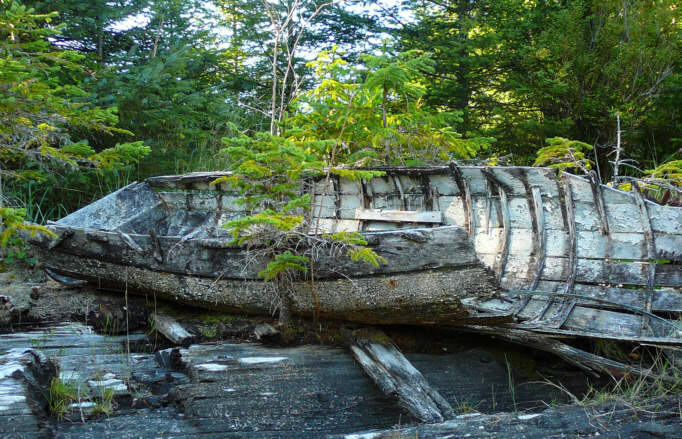
The Canadian government provides a large free dock that is actively used. Today, only a single daughter of the Hansen family still lives here, giving all boaters at the dock a historical overview of this region. Lorna single-handedly maintains the nicely renovated old building, which has now been converted into a simple museum. She still runs the post station that was established over 100 years ago for the first settlers. Today, however, hardly anyone drops by except for us yachties. She lives alone with her animals, a dog that is supposed to warn against bears, and the chickens. Port Neville was our last stop before heading back through the rapids. This time, our tension was not quite as high, as it was no longer the great unknown.