
Alaska · Canada
Back to British Columbia
Back to British Columbia
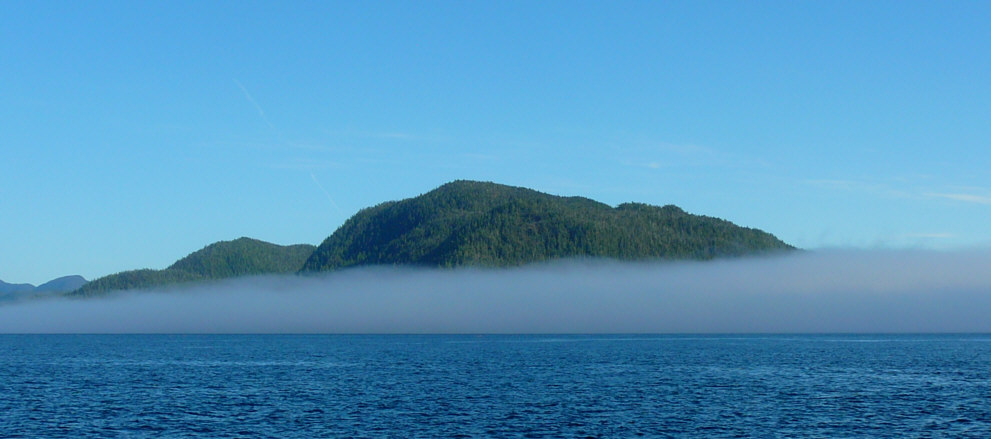
After NOAA, the official American weather service, finally predicted a break in the precipitation and gale-force winds, we set off from Sitka. The sky really did turn off its faucets, and a period of plenty of sunshine began. Cloudless and deep blue skies, a perfect contrast to the still white mountains, one might think. That was indeed the case, but unfortunately only above the blanket of fog. We ourselves were mostly right in the middle of a white soup and could only catch glimpses of the splendor through holes in the fog in between. Fortunately, the weather here now changed almost daily, so that we also enjoyed the long-awaited sun from time to time.
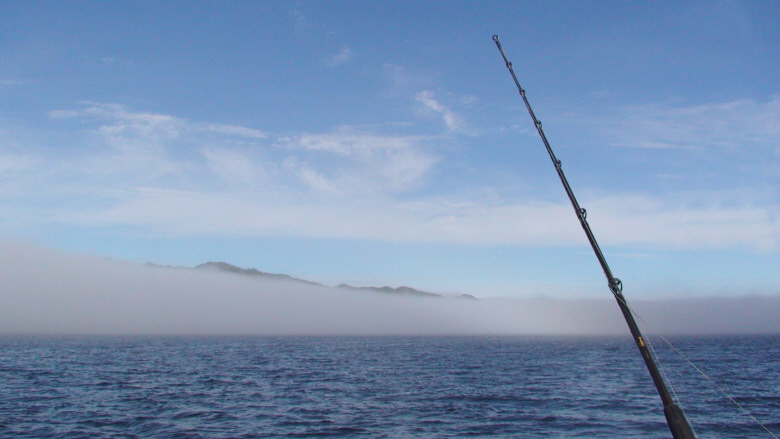
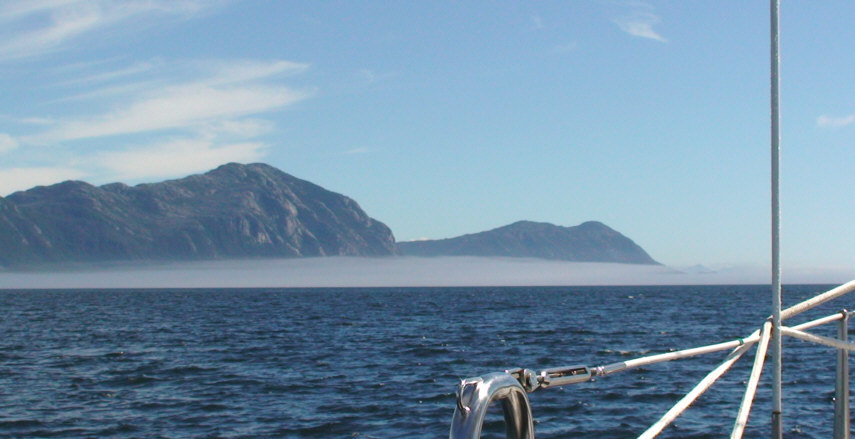
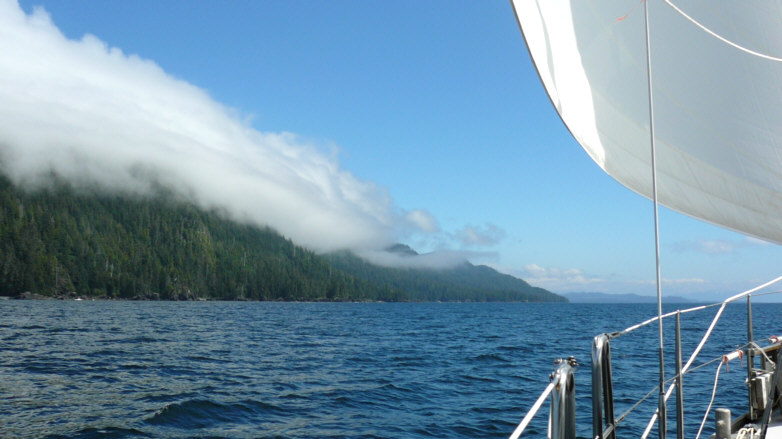
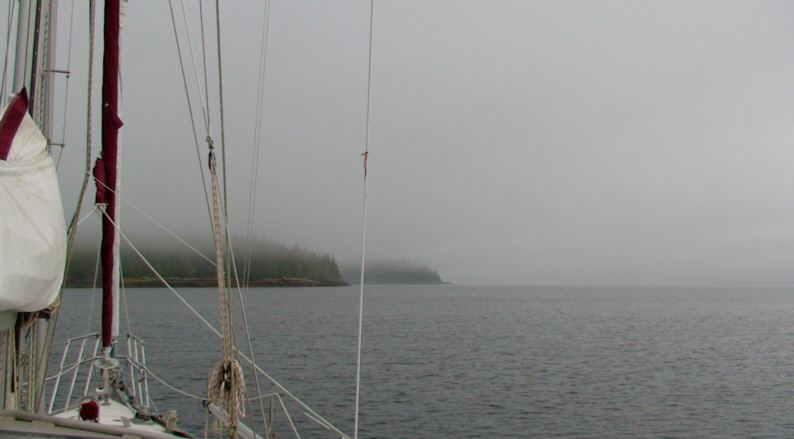
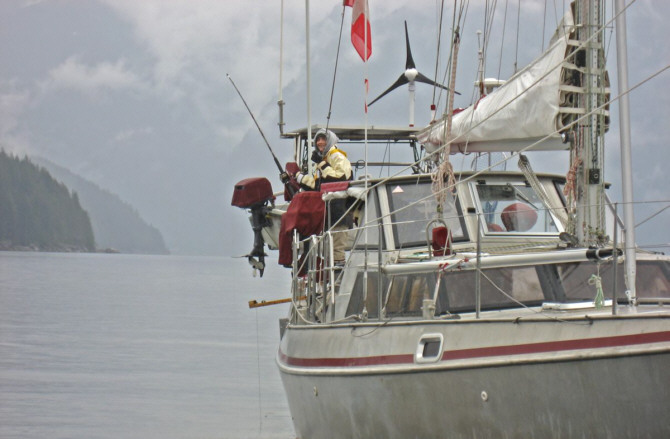
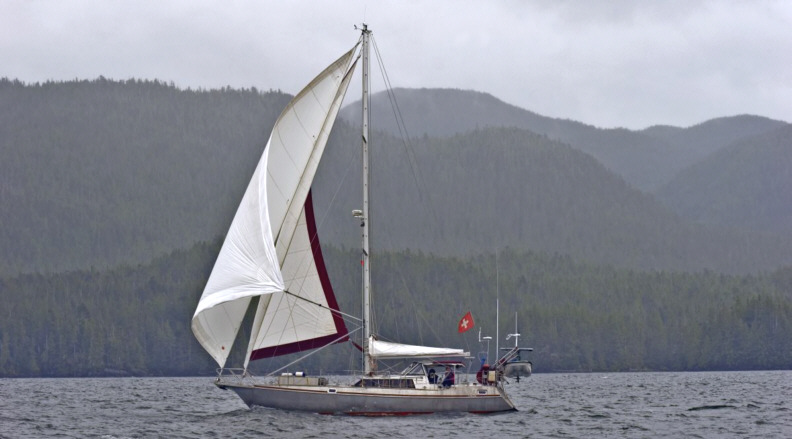
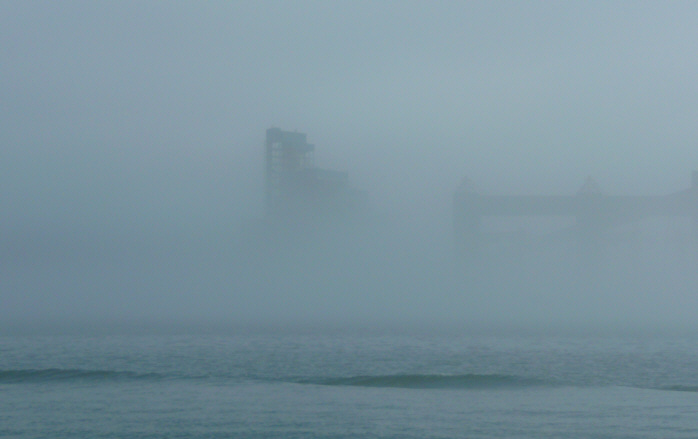
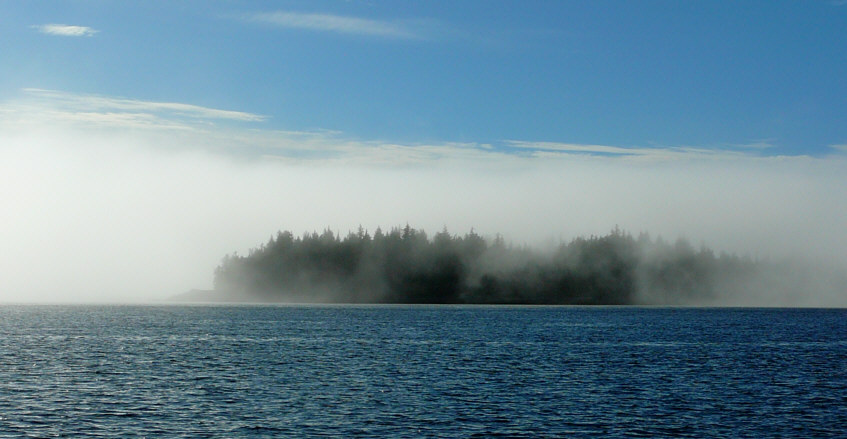
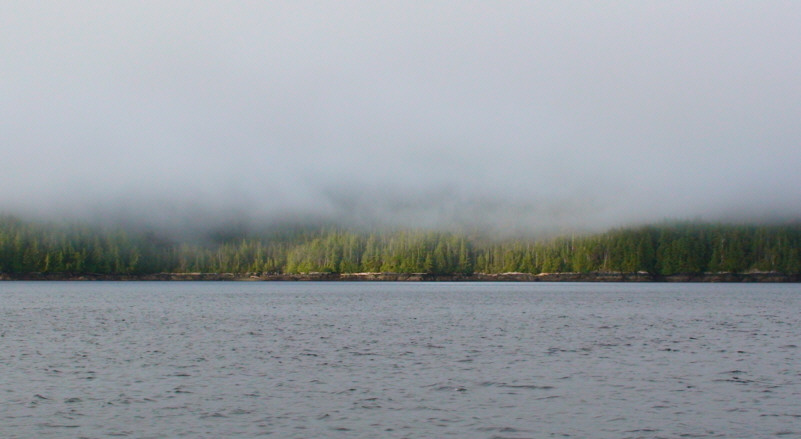
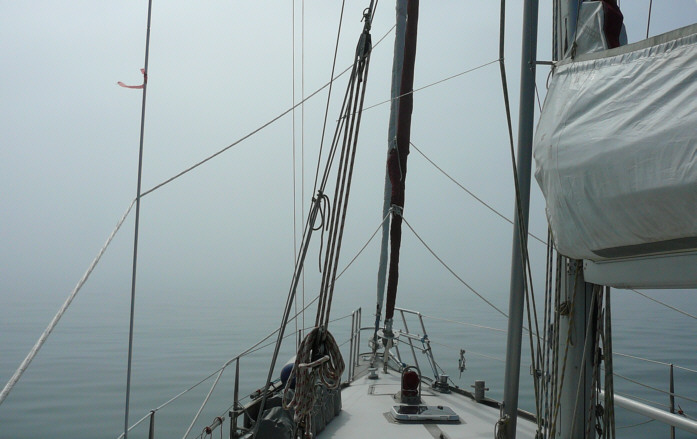
Today I understand why the month of August is not called that by the locals here. In the south of Alaska and the north of British Columbia, it is actually not called August, but Fogust, which sounds a little funny in German, but much better in English, fo-gust. (composed of fog and August)
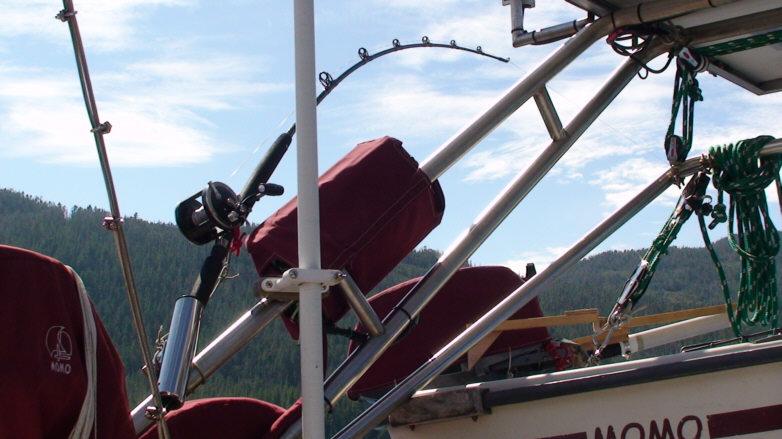
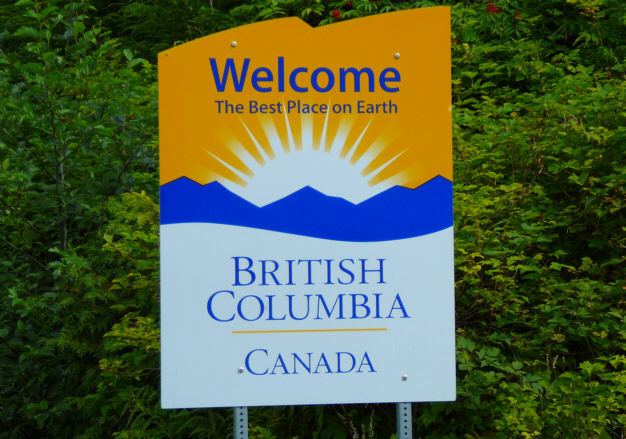
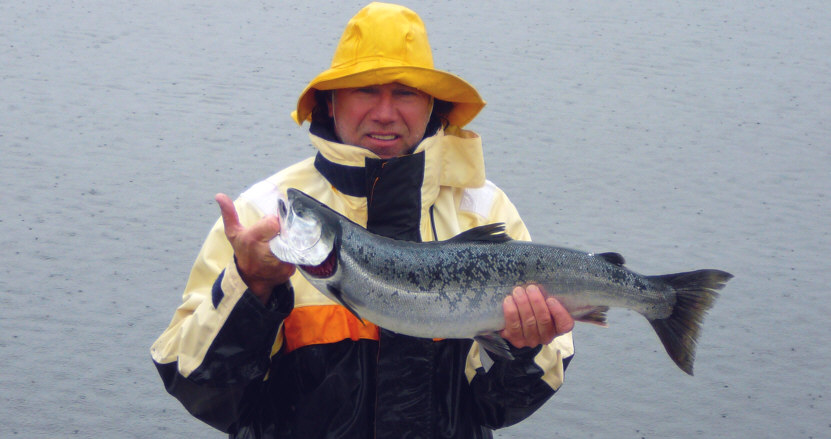
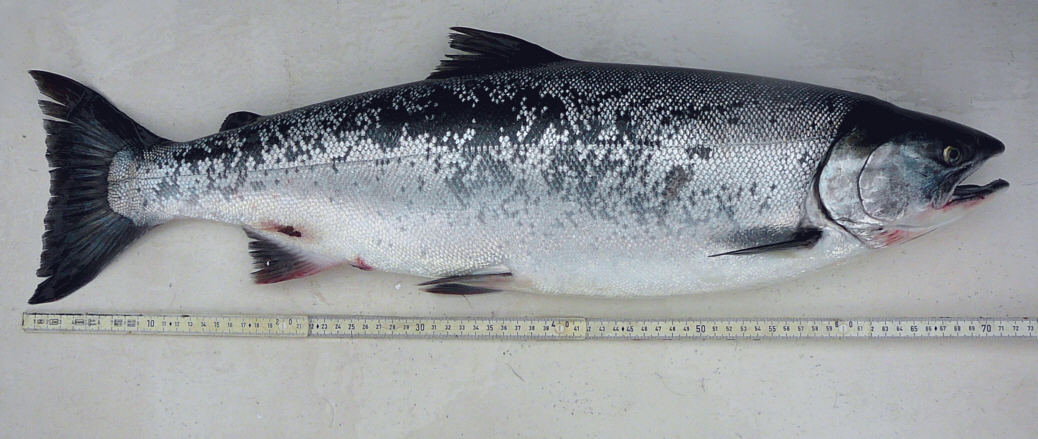
After a good week, we reached Dixon Entrance, a strait that forms the border with Canada. Now nothing could hold me back. Rod out, wait and hope... The wait lasted only a brief moment and a nice Pacific salmon was already on the hook. Caught by yourself, these fellows simply taste twice as good, even if that is just an illusion.
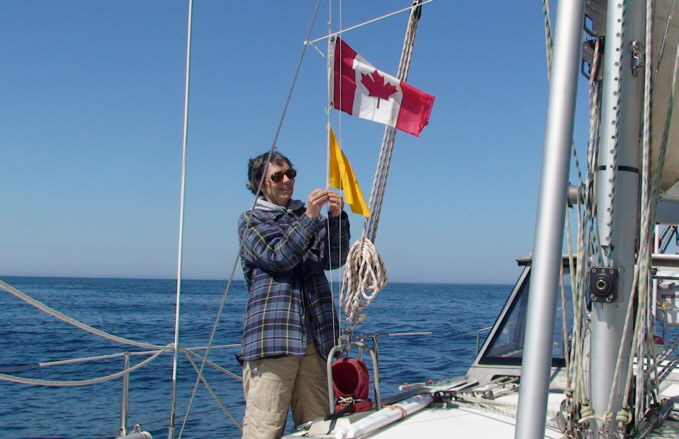
To clear customs in Canada, we had to go to Prince Rupert again. Although we were already familiar with the route this time, it turned out to be a real adventure trip because of the dense fog. Thanks to radar and precise electronic charts, however, our adrenaline levels did not rise to overly dangerous heights. The actual customs clearance was just a formality that we could take care of by phone from the harbor dock. Apparently we are already old acquaintances with Customs and Immigration and fortunately are not listed on any blacklists.
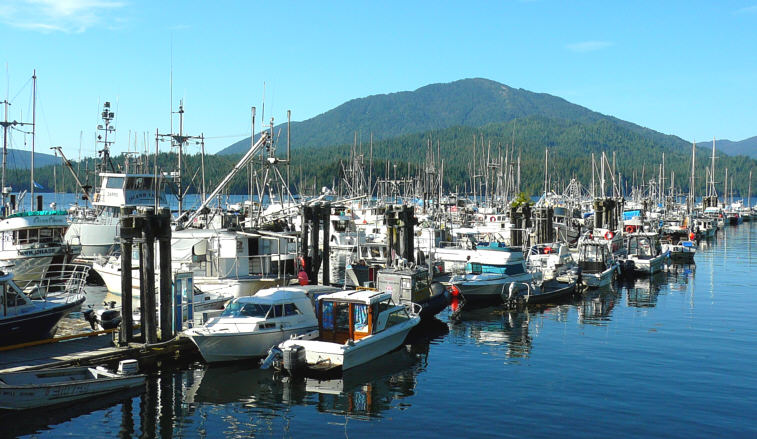
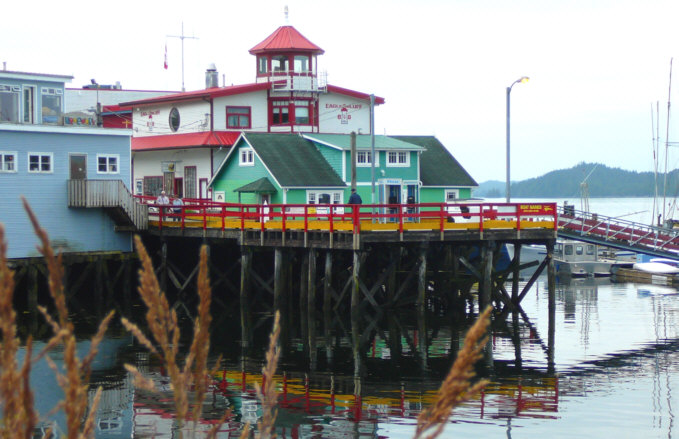
Instead of an overnight stay in the fishing harbor, it turned into eight. Not because we liked it so much here, no, gale-force winds were forecast again. 45 to 50 knots from the south are not necessarily what we wanted.
During this involuntary stay, I was able to satisfy my curiosity as to why the fishing harbor was packed to the brim with professional fishing boats. What I found out then shocked me deeply. In western Canada, commercial salmon fishing is facing extinction, because catching wild Pacific salmon has become scarce for the pros. As recently as 1979, 15 percent of the global salmon harvest came from British Columbia, and by 1999 it was only a single, meager percent. Last year, barely 19 tonnes of salmon were caught in Canada. Compared to the 113 tonnes twenty years ago, this is now almost six times less. The Canadian government has therefore drastically restricted commercial fishing and, a day before our arrival, stopped the season for professional salmon fishing.
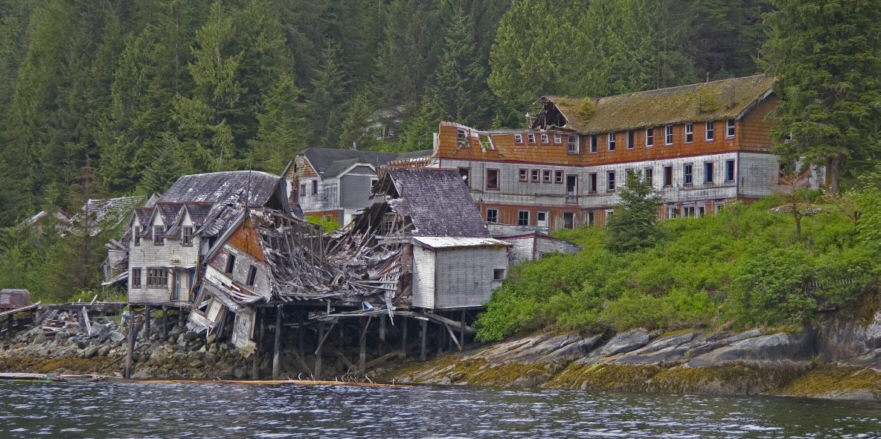
The wild Pacific salmon, which was once abundant, has now become a scarce commodity. With radical measures, the Canadian Department of Fisheries now wants to prevent the biological and economic catastrophe in the west. According to studies, there are a number of reasons for the decline of the Pacific salmon. The rigorous logging of forests, mining, and the expansion of settlements have polluted and destroyed the rivers where salmon spawn and their surroundings. In addition, average water temperatures have risen by about one to two degrees due to global warming. Salmon tolerate warmer water very poorly because it contains far less food. However, I think that a major part of the problem is also decades of total overfishing. In various museums we have seen the different methods used to catch salmon. Anyone who treats their livelihood so brutally and radically has no right to complain today. The various ruins of the so-called canneries bear witness to the fact that salmon once existed here in abundance. Not a single one is in operation here today. Back in the Inside Passage
From Prince Rupert, our route led us partly through the Inside Passage again when it was too windy outside. This meant that we had to pay more attention to cruise ships and BC Ferries.
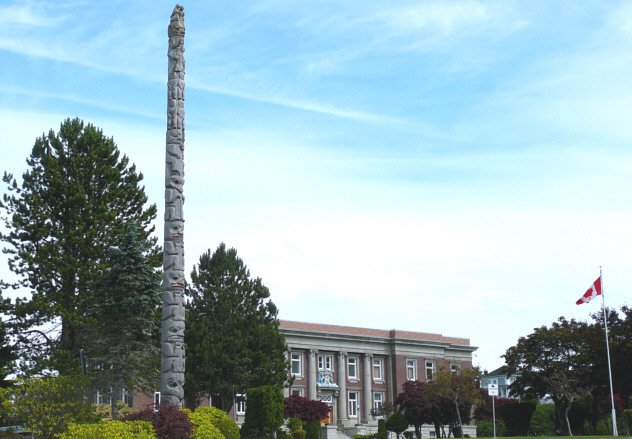
Here, along the Inside Passage, there used to be several Native settlements of the Tlingit, Haida, and Tsimshian tribes before the arrival of European colonists. Because of the abundant food supply on the coast, permanent settlements and a diverse culture had formed here, unlike on the mainland. Today, unfortunately, very few traces of them remain to be seen.
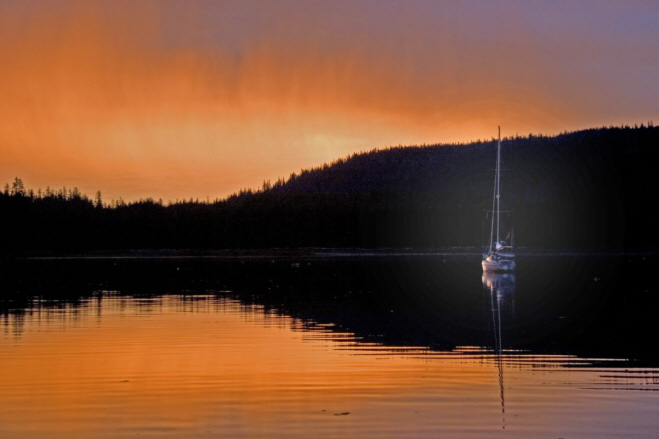
Our next milestone was Cape Caution, north of Vancouver Island. We wanted to have rounded this cape by the end of the month so that we could then complete the rest of this year's journey comfortably in the shelter of Vancouver Island. In terms of distance and time, this would not really have been a major challenge, but once again the weather factor played the main role here. The first strong winds and autumn storm lows showed up a little too early this year, and we frequently had to seek out very well-protected anchorages. However, this was not a problem at all here, as there were more than enough of them.
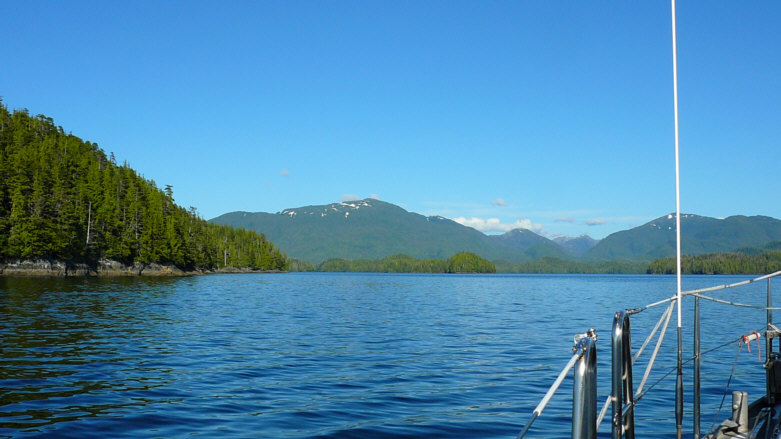
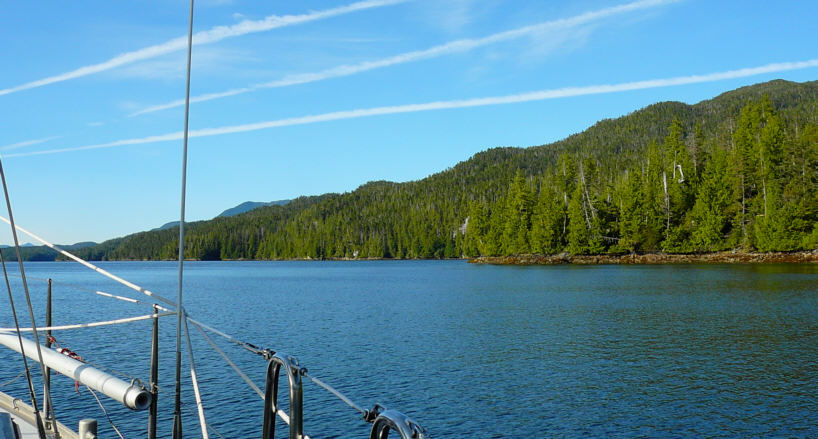
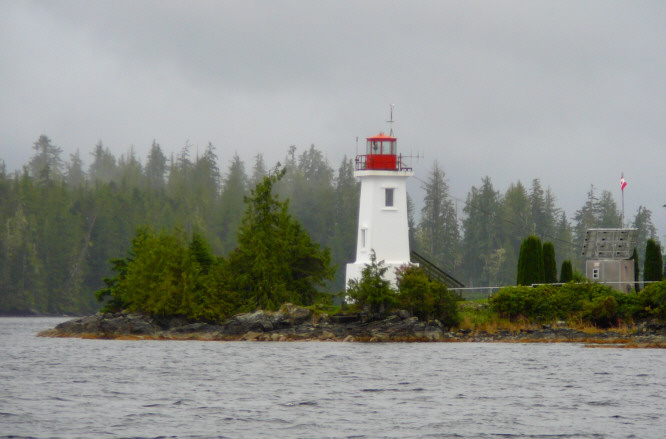
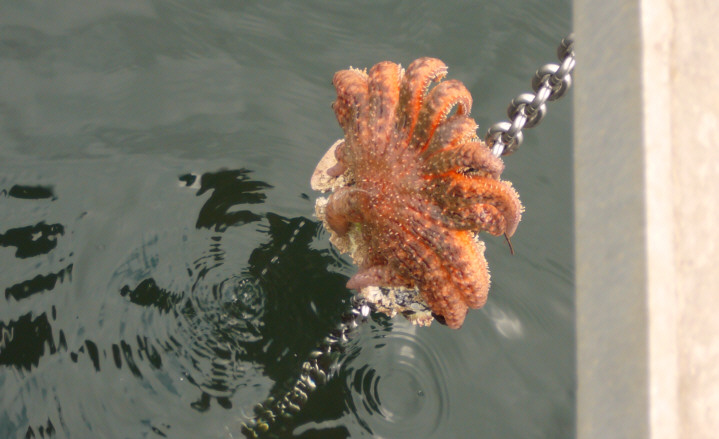
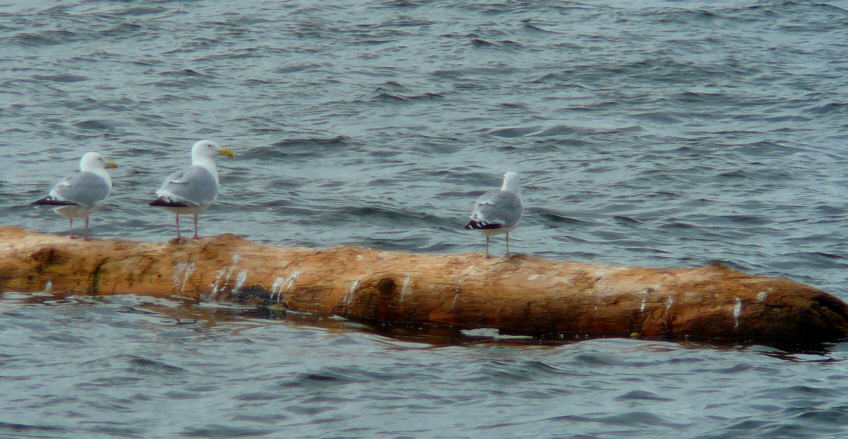
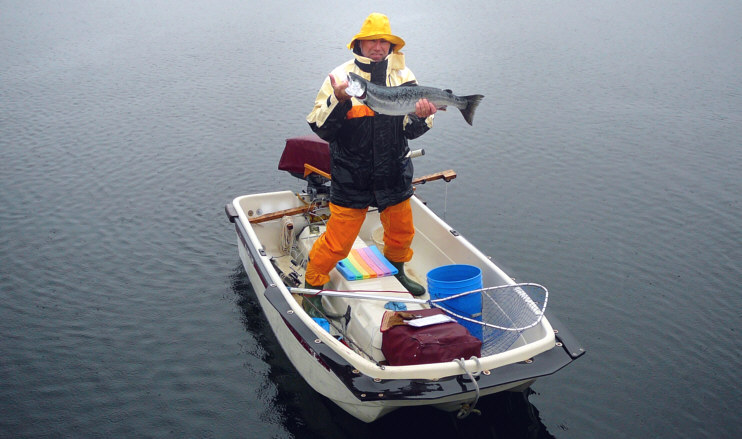
When heavy rain and truly strong winds were forecasted once again, we anchored in Strom Bay. This was an absolutely perfectly sheltered cove against the expected southern winds. When arriving, slightly outside and on the other side of the bay, I saw a few sport fishermen angling the day before. So there should certainly be salmon here as well, right in front of our anchorage. Despite the pouring rain, nothing could hold me back now, and I saddled up our small dinghy. The improvised downrigger came into use once again, and the hunting fever completely took hold of me. The small bucket was working overtime because it was truly pouring from above, and yet the water in the dinghy always stood about 5 cm high. Since I apparently had a good nose for salmon, the sense of achievement of catching one was very high here. Because the distance from the fishing spot back to MOMO was very short, I immediately brought every caught salmon back to her, dismantled it into its individual parts, and handed the delicious fillets over to Yvonne.
From that moment on, it meant vacation was over for the head chef. Now the salmon had to be processed immediately. Like in grandmother's time, Yvonne now had to preserve the fillets, which meant cutting them into smaller pieces, filling them into jars, and heating them in the pressure cooker. The canning jars sterilized in this way should, or so we hope, provide us with many a delicious ingredient for our meals over the coming months.
In Prince Rupert I received the negative reports about salmon fishing in Canada, but this only concerns commercial large-scale fishing. For sport fishermen, there are still enough fish in special locations. The reasonable fisherman perhaps takes two salmon per day during the high season and no more. However, as I have also witnessed, there are excesses here. Who knows for how much longer...
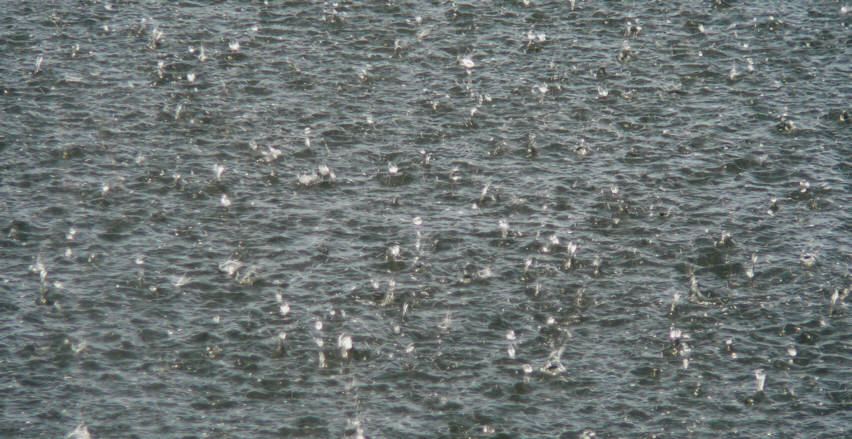
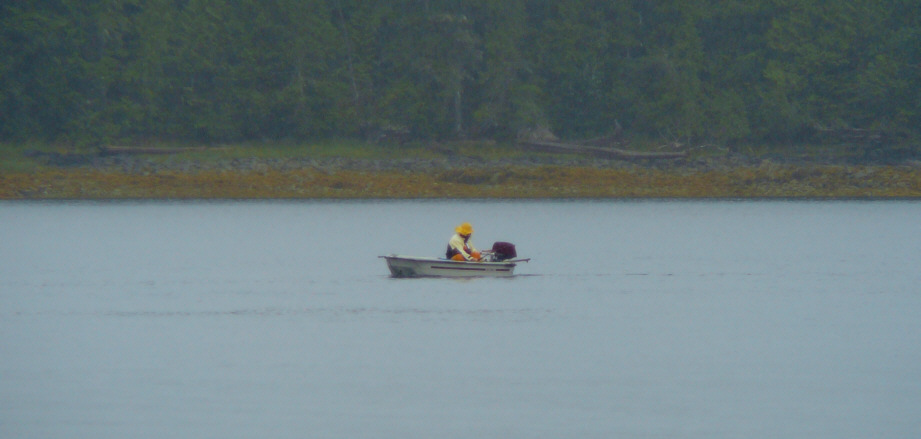
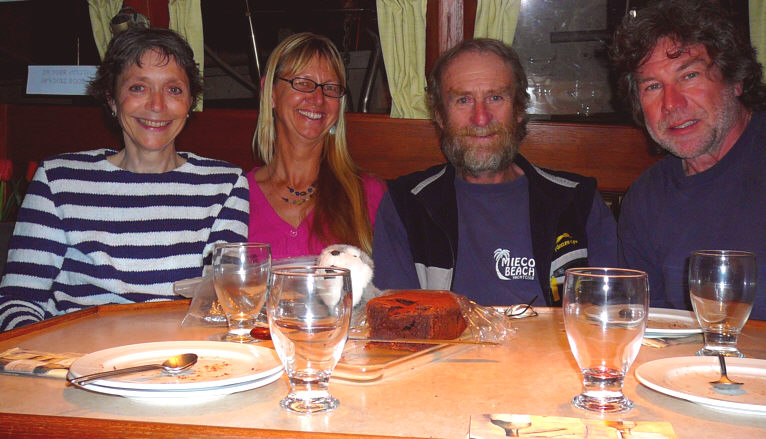
Shortly before rounding Cape Caution, we once again had to make a weather stop lasting several days. In Fury Cove Bay we met Diane and Dean, who were also stuck here. Shortly after us, Jo and Rob also arrived, though they wanted to continue directly to the west side of Vancouver Island and San Francisco. These two New Zealanders have been traveling with their boat for 16 years already and are not tired in the least.